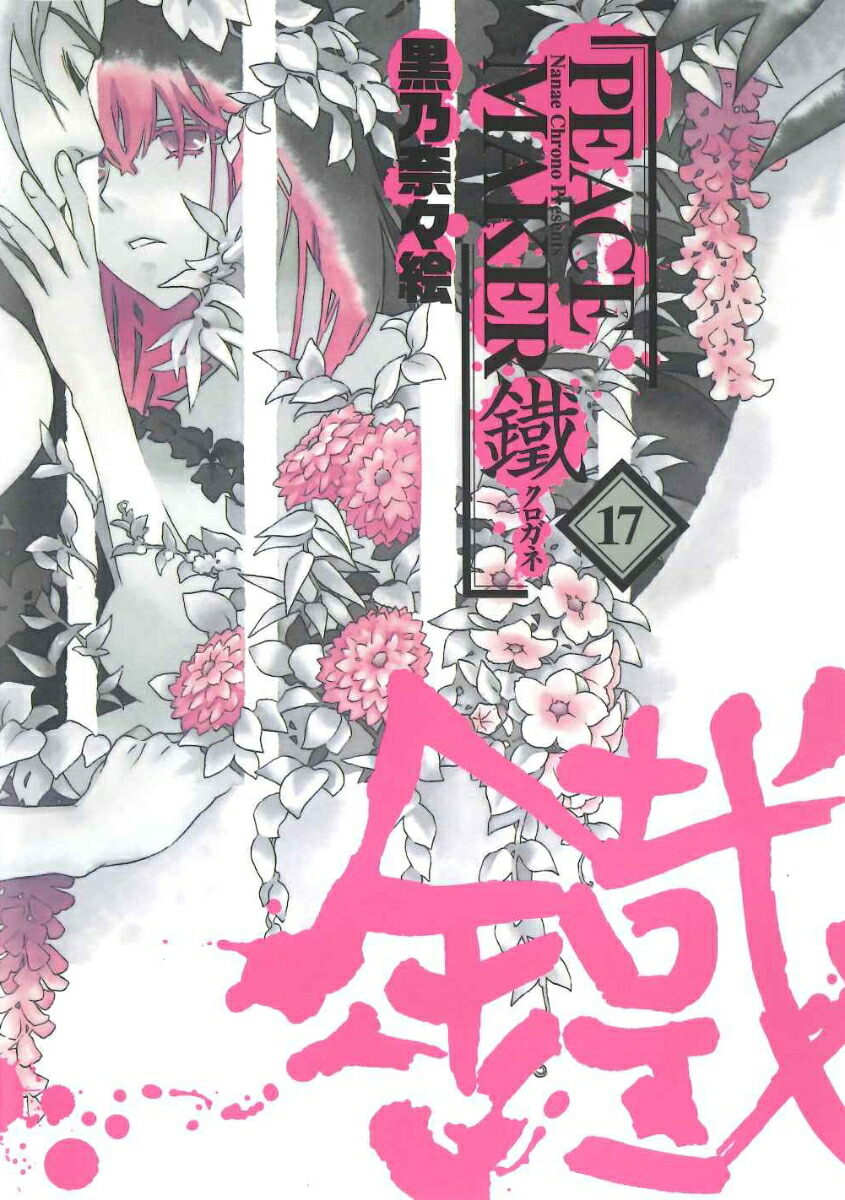
Peacemaker Kurogane Review: The Boy Who Wanted to Be a Demon and Found Something Worse
by Nanae Chrono
Read the first volume. If it doesn't hook you, put it down. It'll hook you.
Buy Peacemaker Kurogane on Amazon →*Affiliate link — I earn a small commission at no extra cost to you.
He joined the Shinsengumi to become strong enough to kill. The Shinsengumi taught him what that actually means.
Quick Take
- A historical manga set at the fall of the Edo period, following a boy who joins the Shinsengumi to avenge his parents' murder
- Ichimura Tetsunosuke's arc is about wanting to be a demon and discovering why that's not strength
- 5 complete volumes — emotionally dense from the start
Who Is This Manga For?
- Readers who want historical action with real emotional weight
- Fans of Rurouni Kenshin or Hakuouki looking for something more grounded and darker
- People interested in the Shinsengumi as a historical institution, not just as a backdrop
- Anyone who wants a short, complete manga that commits fully to its themes
Content Warnings & Age Rating
Age Rating: T (Teen) Content Warnings: Historical violence, character death, war themes
This is Bakumatsu-era Japan. People die. The manga doesn't look away from that.
Yu's Rating
| Category | Score |
|---|---|
| Story Depth | ★★★★☆ |
| Art Style | ★★★★☆ |
| Character Development | ★★★★★ |
| Accessibility for Non-Japanese Readers | ★★★☆☆ |
| Reread Value | ★★★★☆ |
Story Overview
Ichimura Tetsunosuke is fifteen years old. His parents were killed by a rogue samurai in front of him. He wants revenge. He is small, untrained, and genuinely unsuited for violence — but he forces himself into the Shinsengumi, the shogunate's most feared enforcement unit, because it's the only way he can imagine becoming strong enough.
The Shinsengumi accepts him as a page. He runs errands. He watches. He becomes close to Okita Souji, the unit's most gifted — and most consumed — swordsman. He sees what the Shinsengumi is actually doing, and what it does to the men inside it.
The story follows the Shinsengumi through the critical last years of the Edo period — historically specific events, real figures, and an honest reckoning with what fighting for a lost cause costs. Tetsunosuke's personal arc is about the difference between wanting to be strong and actually becoming one.
Characters
Ichimura Tetsunosuke — The protagonist's defining characteristic is that he's genuinely not built for what he's trying to do. His development isn't about becoming a swordsman; it's about understanding what he actually is.
Okita Souji — One of manga's best portrayals of this historical figure. His relationship with Tetsunosuke is the emotional core of the series — warm, complicated, and shadowed by what Okita knows about himself.
Hijikata Toshizo — The iron vice-commander, depicted with historical fidelity and enough complexity to be interesting rather than just intimidating.
Art Style
Chrono's art is detailed and expressive — the period setting is rendered with care, and the character designs distinguish themselves clearly despite period costuming. The action sequences are coherent without being the primary visual focus; the emotional moments are where the art does its best work. Faces in quiet moments carry the weight the story needs.
Cultural Context
The Shinsengumi are one of the most romanticized groups in Japanese popular culture — appearing in everything from fighting games to shojo romance. What Peacemaker Kurogane does is take that romantic material seriously by grounding it in historical consequence. The Shinsengumi lost. Everyone around them lost. The manga's emotional texture is built from that knowledge, which the characters don't share but the reader does.
The Bakumatsu period — the final years of the Tokugawa shogunate — is a specific preoccupation of Japanese historical fiction because it represents a hinge point: the last moment before Japan became the Japan that exists today.
What I Love About It
Okita Souji. His scenes with Tetsunosuke are the reason I keep returning to this series. There's a chapter — one of the quieter ones, between the action — where Okita explains something about the Shinsengumi to Tetsunosuke, not as a lesson but almost as a confession, and the weight of what he knows sits in every panel. Chrono drew something that earns the history.
What English-Speaking Fans Say
Remembered warmly by readers who found it, often discovered alongside Hakuouki or Rurouni Kenshin. The historical specificity is noted as both a strength and a barrier. Okita's portrayal is consistently praised. The five-volume length is considered appropriate — the story is compressed but not rushed.
Memorable Scene ⚠️ Spoiler Warning
The scene where Tetsunosuke finally understands what Okita has known about himself the entire series — and what that means for the time they've had together — is where the manga justifies every quieter moment it spent building to it. Chrono earns the emotion because she didn't rush to it.
Similar Manga
| Title | Its Approach | How Peacemaker Kurogane Differs |
|---|---|---|
| Rurouni Kenshin | Post-Bakumatsu swordsman seeking redemption | Kenshin is more action-focused; Peacemaker is more emotionally focused on the period's cost |
| Hakuouki | Supernatural Shinsengumi otome manga | Hakuouki romanticizes; Peacemaker grounds |
| Blade of the Immortal | Edo-period action with moral complexity | Blade is more violent and philosophical; Peacemaker is warmer and more historically specific |
Reading Order / Where to Start
The prequel Peacemaker (4 volumes, also published by Tokyopop) establishes the characters and setting. Peacemaker Kurogane continues and deepens the story. Either works as an entry point; the prequel adds context.
Official English Translation Status
Tokyopop published all 5 volumes in English. Complete and available.
Pros & Cons
Pros
- Tetsunosuke's arc is one of the better protagonist journeys in historical manga
- Okita Souji portrayed with depth and specificity
- Historically grounded without sacrificing emotional engagement
- Five volumes — a complete story without overstaying its welcome
Cons
- Requires some familiarity with the Bakumatsu period to follow
- The historical density may slow readers unfamiliar with the period
- Some volumes out of print; availability varies
- Not for readers who want action-focused Shinsengumi stories — this is character-focused
Is Peacemaker Kurogane Worth Reading?
For historical manga fans and Shinsengumi enthusiasts, yes. The emotional investment it builds over five volumes pays off in full.
Format Comparison
| Format | Pros | Cons |
|---|---|---|
| Physical | Period setting reads well in print | Some volumes out of print |
| Digital | More accessible | — |
| Omnibus | No omnibus available | — |
Where to Buy
Read the first volume. If it doesn't hook you, put it down. It'll hook you.
This post contains affiliate links. If you purchase through these links, I may earn a small commission at no extra cost to you. As an Amazon Associate, I earn from qualifying purchases.
*Affiliate link — I earn a small commission at no extra cost to you.
More Manga You Might Like
Action / Historical
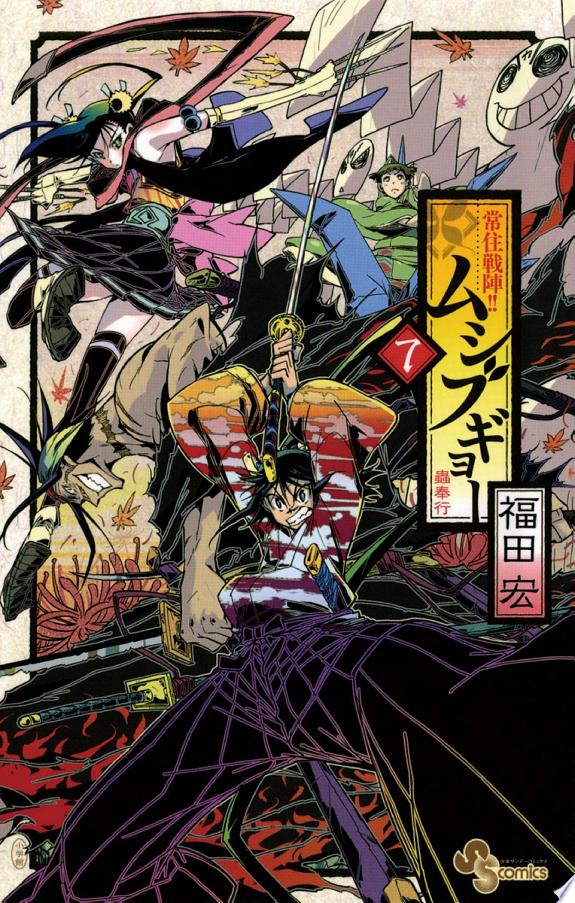
Mushibugyo
A review of Mushibugyo, the Edo-period action manga about a group of elite bug hunters defending Edo from giant insects — bigger heart than premise suggests.
Action / Historical
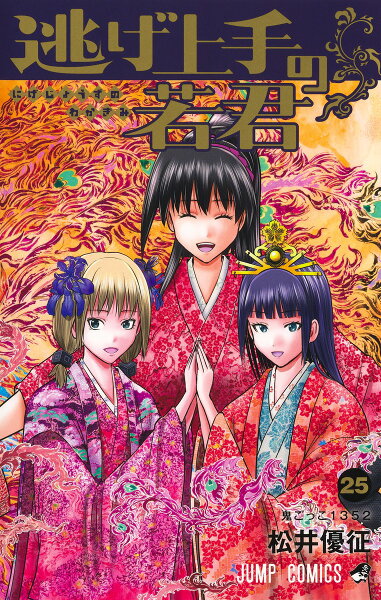
The Elusive Samurai
A review of The Elusive Samurai by Yusei Matsui, following a young noble who survives the fall of the Kamakura shogunate through unmatched evasion skills.
Action
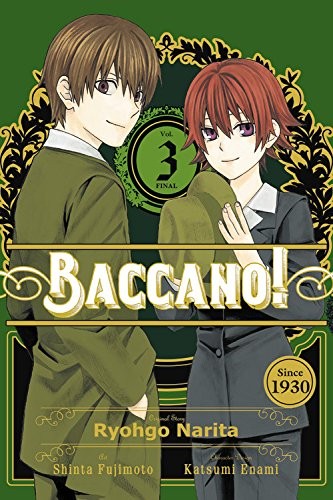
Baccano!
A review of the Baccano! manga by Shinta Fujimoto — the 3-volume Young Gangan adaptation of Ryohgo Narita's Grand Punk Railroad arc, where immortals, gangsters, and a bloody urban legend collide aboard the 1931 Flying Pussyfoot express.
Action / Historical
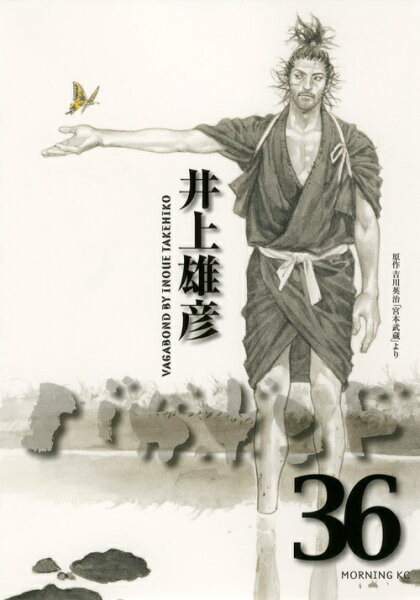
Vagabond
Yu's review of Vagabond — a manga about the historical Miyamoto Musashi's journey to become the greatest swordsman alive, and his gradual understanding that invincibility is not the same as wisdom. Visually the most beautiful manga ever published.
Action / Fantasy
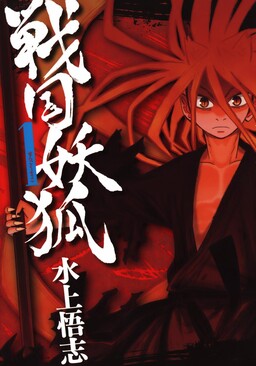
Sengoku Youko
Yu's review of Sengoku Youko — in Sengoku-era Japan, a powerful spirit girl travels with a timid human boy seeking to create a world where humans and youkai can live in peace.
Action / Historical
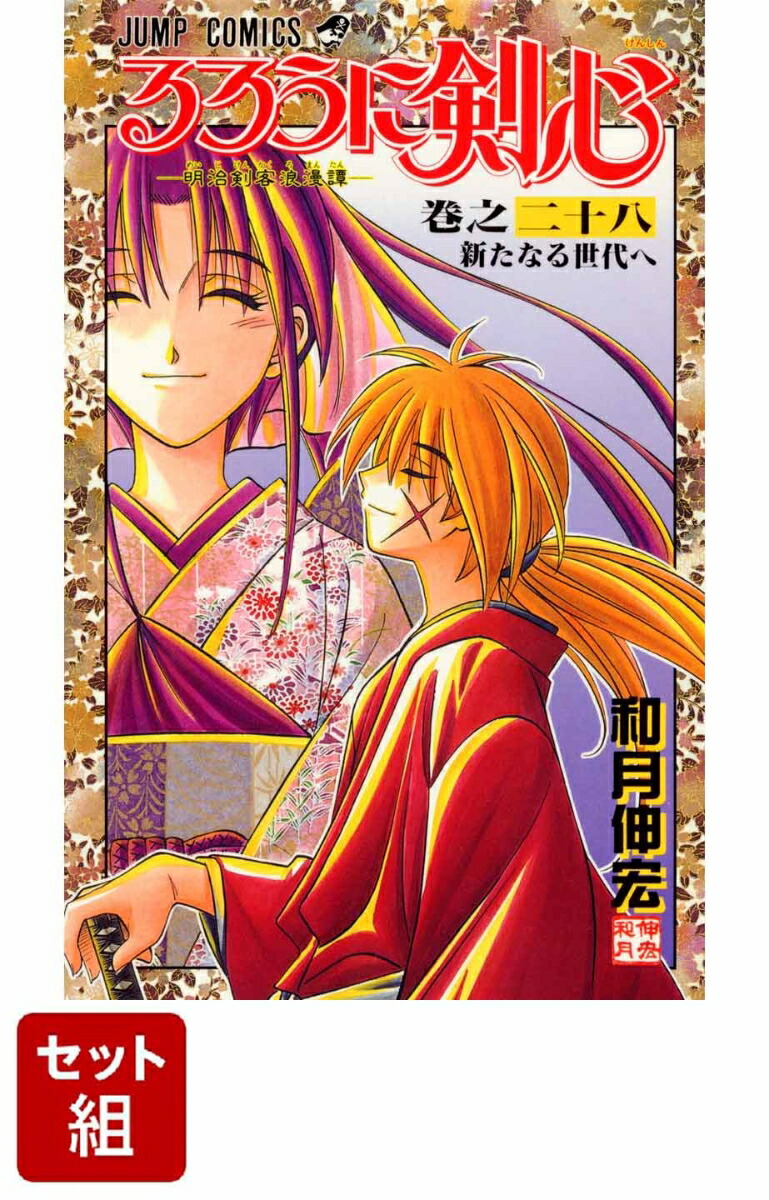
Rurouni Kenshin
A review of Rurouni Kenshin — 28 volumes in Weekly Shonen Jump. Himura Kenshin was Japan's most feared assassin of the Bakumatsu; he now wanders with a reverse-blade sword, trying to protect without killing. The Kyoto Arc is one of the greatest extended arcs in manga, and Shishio is the genre's finest villain. VIZ Media's English edition is complete.
Written by
Yu
Manga Enthusiast from Japan
I grew up in Japan and manga literally saved me during a tough time in elementary school. My English isn't perfect, but my love for manga is real — and I want to share it with you.
Disclosure: This post contains affiliate links. As an Amazon Associate, I earn from qualifying purchases at no extra cost to you.