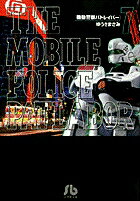
Mobile Police Patlabor Review: The Mecha Manga That Made Giant Robots Feel Like Coworkers
by Masami Yuki
Read the first volume. If it doesn't hook you, put it down. It'll hook you.
Buy Mobile Police Patlabor on Amazon →*Affiliate link — I earn a small commission at no extra cost to you.
Quick Take
- Giant robots used for traffic control and construction work — mecha grounded in mundane reality.
- The ensemble cast of SV2 officers feels like a real workplace, with genuine camaraderie.
- A blend of procedural police work and mecha action that holds up decades later.
Who Is This Manga For?
- Fans of mecha fans who want something grounded and human rather than epic
- Readers who enjoy workplace comedy manga with ensemble casts
- Anyone interested in classic 80s/90s manga that influenced an entire generation of creators
- People who like police procedurals with a science fiction twist
Content Warnings & Age Rating
Age Rating: T (Teen) Content Warnings: mild violence, police themes
Safe for most readers.
Yu's Rating
| Category | Score |
|---|---|
| Story Depth | ★★★★☆ |
| Art Style | ★★★★☆ |
| Character Development | ★★★★★ |
| Accessibility for Non-Japanese Readers | ★★★★☆ |
| Reread Value | ★★★★☆ |
Overall: 4/5 — A warm, intelligent mecha manga — the genre at its most human.
Story Overview
In a near-future Tokyo where giant humanoid machines called "Labors" are used in construction and industry, crime involving Labors is on the rise. Special Vehicle Section 2 (SV2) of the Tokyo Metropolitan Police deploys their own Labors — the Ingrams — to handle Labor-related crime. The series follows the officers of SV2, particularly the enthusiastic Noa Izumi and her Labor "Alphonse," through cases ranging from comedic to genuinely tense.
Characters
The cast of Mobile Police Patlabor is built around contrasting personalities that force each other to grow. The main character carries a mix of strength and vulnerability — enough to earn sympathy without feeling passive. Supporting characters each serve a distinct emotional function: some mirror the protagonist's flaws, others challenge their assumptions, and a few provide the warmth that makes the harder moments bearable.
Art Style
Masami Yuki's visual style suits the story it tells. Emotional moments land because facial expressions are drawn with real attention to subtlety — you rarely need dialogue to understand what a character is feeling. Background detail varies by scene, pulling back in quiet moments and getting tight and detailed when the stakes rise.
Cultural Context
Mobile Police Patlabor comes from Japan's bubble economy era and the construction boom that inspired the Labor concept. English readers will find most of this translates naturally; a few cultural notes in good translations help bridge any remaining gaps.
What I Love About It
The robots are tools here, not weapons of war. Watching Noa treat her Labor like a beloved car she maintains and upgrades gave the mecha genre a warmth I hadn't seen before. The everyday police work grounds the fantasy perfectly.
What English-Speaking Fans Say
Western readers who find this series often describe it as something they wish they'd found sooner. The emotional beats translate well; the universal themes of connection, loss, and growth resonate regardless of cultural background. Fans of similar series consistently recommend it as a must-read for genre newcomers and veterans alike.
Memorable Scene ⚠️ Spoiler Warning
There is a moment — usually in the middle or final act — where the story does something unexpected with a character you thought you understood. The setup is careful and patient. The payoff is sudden and complete. Readers report rereading earlier chapters afterward, finding all the foreshadowing they missed the first time.
Similar Manga
If you enjoyed Mobile Police Patlabor, try:
- Ghost in the Shell by Masamune Shirow — more serious sci-fi police story
- Appleseed by Masamune Shirow — similar near-future setting
- Gundam series — serious mecha for contrast
Reading Order / Where to Start
Start from volume 1. This series builds its world and characters carefully from the first chapter — jumping in anywhere else means losing the context that makes later moments land. Volume 1 is a very strong opening; if you're not hooked by the end of it, this series may not be for you.
Official English Translation Status
Mobile Police Patlabor has been fully published in English. All 22 volumes are available.
Pros & Cons
Pros:
- Complete story with no wait for new volumes
- Strong character work and genuine emotional investment
- Balances comedy, drama, and action with impressive skill
Cons:
- Some political storylines in later volumes feel dated
- The large ensemble means some characters get less development
Format Comparison
| Format | Pros | Cons |
|---|---|---|
| Physical | Best art reproduction | May require ordering online |
| Digital | Instant access, cheaper | Less collector value |
| Used | Very affordable | Condition and availability vary |
Where to Buy
Read the first volume. If it doesn't hook you, put it down. It'll hook you.
This post contains affiliate links. If you purchase through these links, I may earn a small commission at no extra cost to you. As an Amazon Associate, I earn from qualifying purchases.
*Affiliate link — I earn a small commission at no extra cost to you.
More Manga You Might Like
Action / Sci-Fi
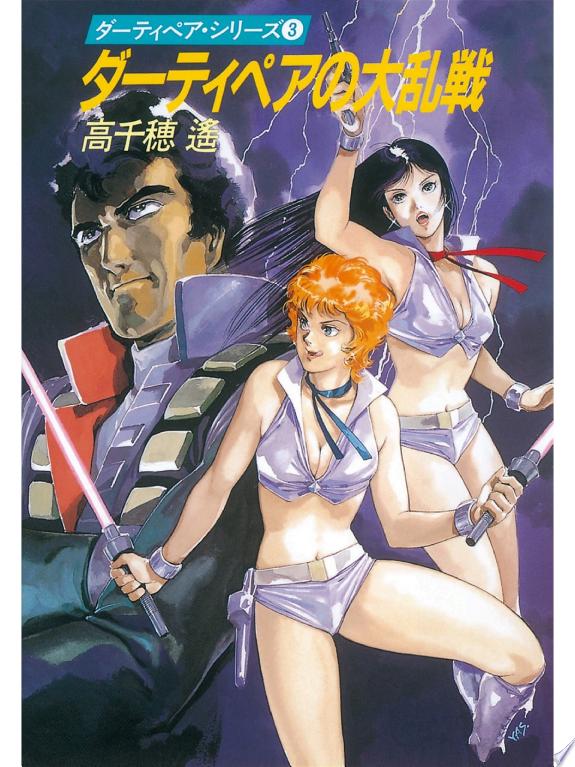
Dirty Pair
Dirty Pair follows Kei and Yuri — the Lovely Angels — a pair of Trouble Consultants whose missions always succeed and whose success always comes with catastrophic collateral damage that earns them their nickname.
Action / Sci-Fi
Cobra
Cobra is the greatest space pirate who ever lived — charming, unstoppable, and armed with the Psychogun fused to his arm — in a galaxy-spanning adventure that turned stylish cool into a manga philosophy.
Comedy / Action
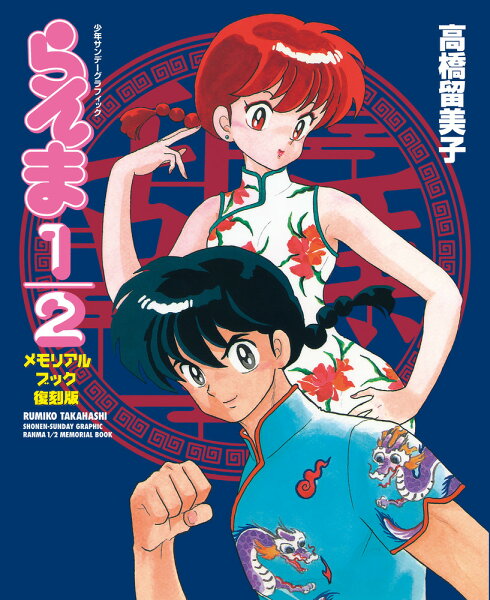
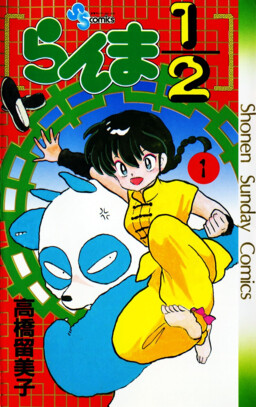
Ranma 1/2
Ranma Saotome trained in martial arts in China with his father. They fell into the cursed springs of Jusenkyo. Now Ranma transforms into a girl whenever cold water touches him (hot reverses it); his father transforms into a giant panda. Returning to Japan, Ranma discovers his father arranged a marriage to a girl he has never met. Rumiko Takahashi's 38-volume manga (1987–1996) is one of the defining works of 1990s shonen comedy. A new 2024 MAPPA anime adaptation began airing in October 2024.

Action / Comedy
City Hunter
A sweeper for hire in Shinjuku cleans up the city's worst criminals while hiding a heart softer than anyone suspects — City Hunter is the definitive action-romance manga.
Action / Comedy
Ranma ½
A review of Ranma ½ — 38 volumes in Weekly Shonen Sunday. Ranma Saotome transforms into a girl when splashed with cold water; his father has arranged him to be engaged to Akane Tendo, who hates boys; the series follows their chaotic not-quite-relationship and increasingly bizarre martial arts challenges. Rumiko Takahashi's most kinetic work. VIZ Media's English edition is complete.

Comedy / Action
From Eroica with Love
A flamboyant art thief and a stoic NATO spy chase each other across Cold War Europe in one of shojo's longest-running adventures.
Written by
Yu
Manga Enthusiast from Japan
I grew up in Japan and manga literally saved me during a tough time in elementary school. My English isn't perfect, but my love for manga is real — and I want to share it with you.
Disclosure: This post contains affiliate links. As an Amazon Associate, I earn from qualifying purchases at no extra cost to you.