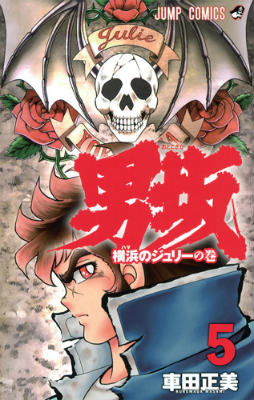
Otokozaka Review: The Manga That Ended in 1984 and Took Until 2015 to Finish
by Masami Kurumada
Read the first volume. If it doesn't hook you, put it down. It'll hook you.
Buy Otokozaka on Amazon →*Affiliate link — I earn a small commission at no extra cost to you.
Some manga end. Some manga end and then, thirty years later, refuse to stay ended.
Quick Take
- Masami Kurumada's pre-Saint Seiya action manga — raw street fighting with the visual energy that would later power one of Jump's biggest franchises
- Famous for being abruptly cancelled after 3 volumes in 1984 — then completed by Kurumada himself in 2012-2015
- The complete 8-volume work is Kurumada in two completely different eras, which makes it a strange and interesting artifact
Who Is This Manga For?
- Kurumada fans who want to trace his style before Saint Seiya
- Action manga readers who want direct, physical confrontation without fantasy power escalation
- Readers interested in manga history — cancelled and later completed series are relatively rare
- Anyone fascinated by artistic development — comparing the 1984 and 2012 volumes shows two different creative periods
Content Warnings & Age Rating
Age Rating: T (Teen) Content Warnings: Action violence, street fighting, masculine challenge culture. Nothing graphic by modern standards.
Suitable for teen readers.
Yu's Rating
| Category | Score |
|---|---|
| Story Depth | ★★★☆☆ |
| Art Style | ★★★★☆ |
| Character Development | ★★★☆☆ |
| Accessibility for Non-Japanese Readers | ★★★★☆ |
| Reread Value | ★★★☆☆ |
Story Overview
The Otokozaka — the Man's Slope — is a symbolic structure in the series' mythology: a path of masculine challenge that the worthy climb by defeating those who stand in the way. Ryu Asuka, a young man with exceptional fighting ability and the physical presence of someone who has been in many fights, begins his climb.
The structure is ladder-fighter: each opponent is stronger than the last, each encounter tests a different quality beyond raw strength. The series is building a hierarchy, and Ryu's position within it is determined one fight at a time.
This is Kurumada before the elaborate mythology of Saint Seiya — simpler, more direct, and closer to the street-level action of his earliest work. The art has the kinetic energy that became his signature, the character designs the visual boldness that made his heroes recognizable instantly.
The abrupt end in 1984 left the climb incomplete. The 2012 continuation arrives in Kurumada's mature style — visually different from the original chapters, but committed to honoring what he began.
Characters
Ryu Asuka: A protagonist defined by physical presence and willingness to fight — the series is less interested in his psychology than in his capacity, which is the appropriate focus for the ladder-fighter structure.
The opponents: Each figure on the slope is drawn with enough distinctiveness to feel like a genuine obstacle rather than a placeholder.
Art Style
The 1984 volumes show Kurumada's early style — rawer, more energetic, closer to his Ring ni Kakero origins. The 2012-2015 continuation shows his mature style — cleaner, more detailed, more controlled. Reading the complete work is reading two artistic periods in sequence.
Cultural Context
Otokozaka ran in Weekly Shonen Jump in 1984 — shortly before Kurumada began Saint Seiya in the same magazine. It was cancelled while Saint Seiya took off, which is the simple explanation for why the climb was cut short.
The series is known in Japan among Kurumada fans as the famous unfinished work — and his eventual completion of it was treated as a significant event for readers who had been waiting since 1984.
What I Love About It
I love the completion.
Most cancelled manga stay cancelled. Kurumada waited thirty years and then finished what he started — not because it was commercially necessary, but because it was unfinished. The act of returning to something left incomplete across three decades says something about how he understood his responsibility to the story and to the readers who had been waiting.
What English-Speaking Fans Say
Known primarily among Kurumada fans who have followed his complete bibliography. The series is recognized as a predecessor to Saint Seiya and as one of the more notable examples of a creator eventually completing a cancelled work.
Memorable Scene ⚠️ Spoiler Warning
The final original chapter's end — mid-confrontation, mid-climb, mid-everything. The abruptness is part of what the series became about: not the fights that happened, but the fights that never got to happen. The 2012 continuation's first pages — Kurumada returning to that mid-action moment — are among the most interesting pages he's ever drawn.
Similar Manga
| Title | Its Approach | How Otokozaka Differs |
|---|---|---|
| Ring ni Kakero | Fantasy boxing with power escalation (same creator) | Street fighting without boxing ring or fantasy escalation |
| Saint Seiya | Elaborate cosmic mythology with armored heroes (same creator) | Pre-mythology raw fighting without cosmic scale |
| Rokudenashi Blues | Street delinquent fighting with school setting | Man's Slope mythology rather than school territory focus |
Reading Order / Where to Start
Volume 1. The original 3 volumes first, then the continuation — reading them in order makes the artistic shift between eras feel like part of the story.
Official English Translation Status
Otokozaka has no official English translation.
Pros & Cons
Pros
- Rare example of a creator completing their own cancelled work decades later
- Kurumada's raw early style is interesting in its own right
- Short enough that the artistic comparison between eras isn't a burden
- The completion gives closure that few cancelled manga receive
Cons
- No English translation
- The cancelled status means the early volumes end unsatisfyingly
- The artistic shift between eras may bother some readers
- Less ambitious than Kurumada's later work — this is a simpler story
Is Otokozaka Worth Reading?
For Kurumada fans, yes — the complete work is an interesting artifact of two creative periods and the unusual act of a creator returning to honor something left unfinished. For readers unfamiliar with Kurumada, Saint Seiya is the better entry point. But as a piece of manga history — cancelled, then completed — Otokozaka is genuinely worth experiencing.
Format Comparison
| Format | Notes |
|---|---|
| Physical | Japanese editions available (original + continuation) |
| Digital | Available in Japanese |
| Omnibus | Collected complete edition available |
Where to Buy
No English release yet. That just means you find it before everyone else does.
*Affiliate link — I earn a small commission at no extra cost to you.
More Manga You Might Like
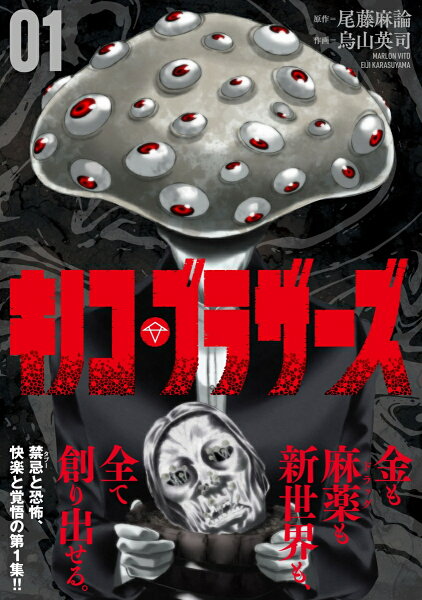
Action / Sci-Fi
Cobra
Cobra is the greatest space pirate who ever lived — charming, unstoppable, and armed with the Psychogun fused to his arm — in a galaxy-spanning adventure that turned stylish cool into a manga philosophy.
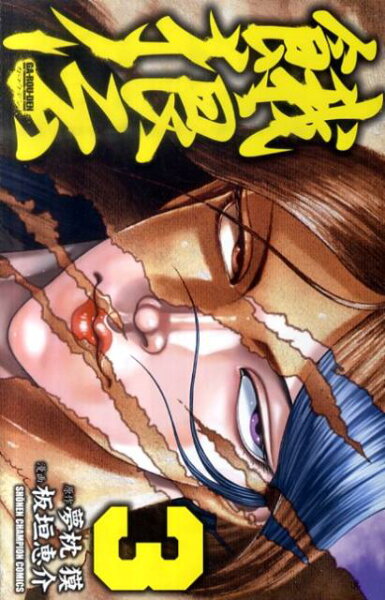
Action / Martial Arts
Garouden
Garouden follows Bunshichi Tanba, a former judoka who operates in the underground fighting world — a manga drawn by Jiro Taniguchi with psychological depth and physical authenticity rare in fighting manga.
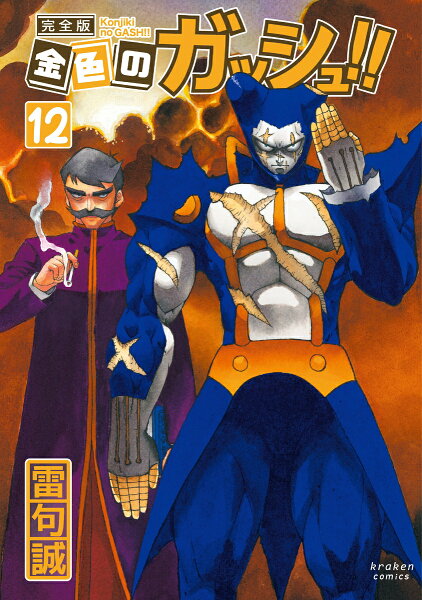
Action / Adventure
Zatch Bell!
A review of Zatch Bell! — 33 volumes in Weekly Shonen Sunday. Genius middle schooler Kiyo Takamine partners with demon child Zatch Bell in a battle royale of 100 demon/human pairs competing to become King of the Mamodo World; Zatch wants to be a kind king. The manga that made an entire generation cry about a book burning. VIZ Media's English edition is complete.
Action / Supernatural
Yu Yu Hakusho
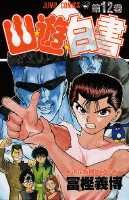
A review of Yu Yu Hakusho — 19 volumes in Weekly Shonen Jump. Yusuke Urameshi dies heroically saving a child, is recruited as a Spirit Detective to investigate supernatural cases, and grows from a delinquent who doesn't care about anything into someone with people worth protecting. The series Togashi made before Hunter x Hunter. VIZ Media's English edition is complete.
Action / Supernatural
Ushio and Tora
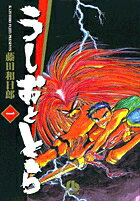
Yu's review of Ushio and Tora — Ushio finds an ancient beast-spirit called Tora pinned under the temple floor; he releases Tora to fight other spirits threatening his town; Tora intends to eat Ushio eventually; they travel Japan fighting supernatural threats.
Action / Historical
Rurouni Kenshin
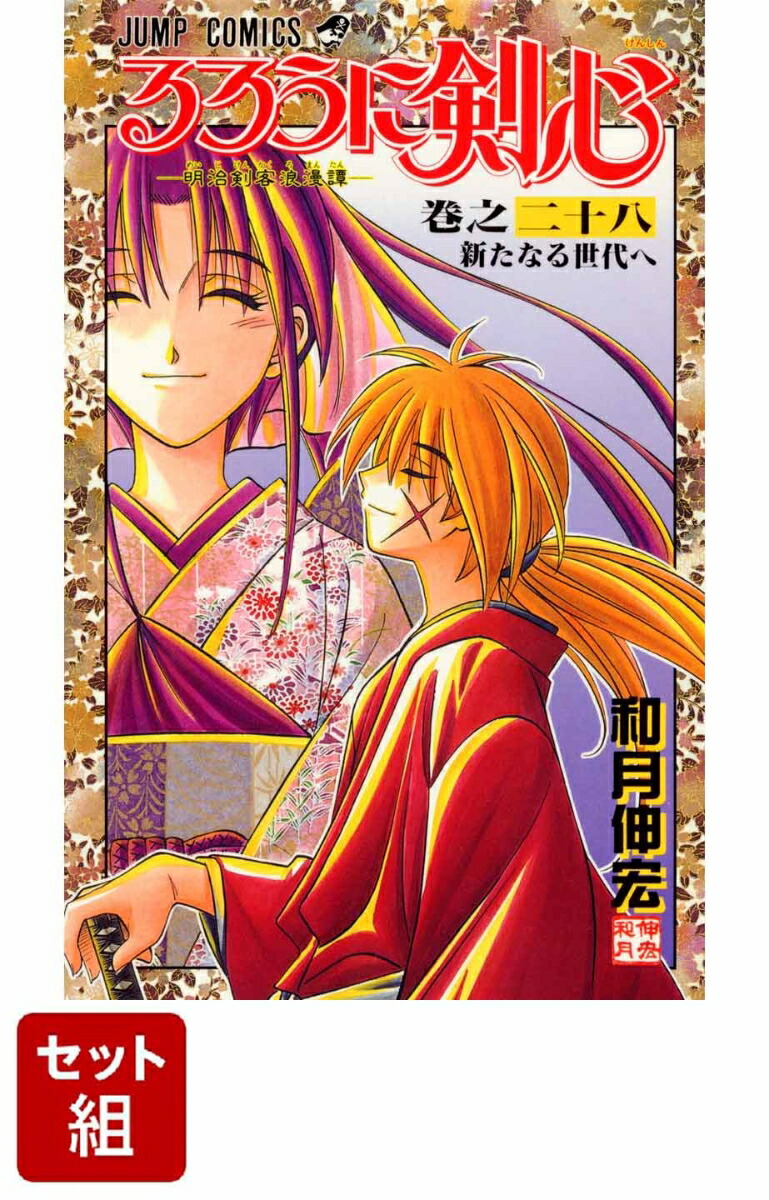
A review of Rurouni Kenshin — 28 volumes in Weekly Shonen Jump. Himura Kenshin was Japan's most feared assassin of the Bakumatsu; he now wanders with a reverse-blade sword, trying to protect without killing. The Kyoto Arc is one of the greatest extended arcs in manga, and Shishio is the genre's finest villain. VIZ Media's English edition is complete.
Written by
Yu
Manga Enthusiast from Japan
I grew up in Japan and manga literally saved me during a tough time in elementary school. My English isn't perfect, but my love for manga is real — and I want to share it with you.