
Orient Review: A Boy Who Wants to Fight Like the Legendary Samurai Must First Face a World That Worships Demons
by Shinobu Ohtaka
Read the first volume. If it doesn't hook you, put it down. It'll hook you.
Buy Orient on Amazon →*Affiliate link — I earn a small commission at no extra cost to you.
Quick Take
- From the creator of Magi: The Labyrinth of Magic, Orient applies Ohtaka's talent for ensemble action and world-mythology building to a setting that combines historical Japan with demons-as-ruling-class
- The premise — history rewritten by the victors (who happen to be supernatural monsters) — gives the series a specific angle on the "rebel against the established order" shonen formula
- 20 volumes complete in Japanese; one of Kodansha's most ambitious recent action shonen
Who Is This Manga For?
- Readers who loved Magi and want more from Ohtaka's approach to action-adventure
- Anyone interested in samurai-focused fantasy action
- Fans of shonen with ensemble casts and developed mythology
- Readers who want ongoing Kodansha action manga with historical Japanese aesthetic
Content Warnings & Age Rating
Age Rating: T (Teen) Content Warnings: Action violence against demon enemies; the world's religious structure worships the demon-rulers in ways that parallel historical state religion; some combat deaths
A T rating appropriate for shonen action content.
Yu's Rating
| Category | Score |
|---|---|
| Story Depth | ★★★★☆ |
| Art Style | ★★★★★ |
| Character Development | ★★★★☆ |
| Accessibility for Non-Japanese Readers | ★★★★☆ |
| Reread Value | ★★★★☆ |
Story Overview
150 years ago, demons called Kishin (spirit demons) conquered Japan. They rewrote history to position themselves as gods and their human predecessors as criminals — the samurai who fought them are now remembered as enemies of the people rather than heroes.
Musashi and Kojiro have grown up in this world, training in secret, believing the erased history. When they come of age, they intend to revive a Bushi Band — the legendary samurai organizations that once challenged the Kishin — and continue the fight that history says was a crime.
The series follows their development from two boys with a dream into the core of an expanding band, fighting Kishin across Japan while learning the full truth of the history that was taken from them.
Characters
Musashi — Named for the legendary swordsman, with the physical presence to match — his combat ability is exceptional from the start, but his character growth is about learning to lead rather than simply fight.
Kojiro — Musashi's best friend, whose intelligence and tactical thinking complement Musashi's power — their partnership is the series' emotional foundation.
The expanding Bushi Band — New members who join across the series, each with their own skills and history, giving the ensemble the variety that Ohtaka built in Magi with the traveling companions.
Art Style
Ohtaka's art is at its most dynamic here — large-scale demon enemy designs that require significant visual imagination, combat sequences that use the full page, and character designs that are distinct and expressive within a large cast. The historical Japanese aesthetic (clothing, architecture, weapons) is rendered with care and attention.
Cultural Context
The Warring States period and the legendary figures of that era — including the real Miyamoto Musashi — are deeply embedded in Japanese popular culture. Orient uses this cultural familiarity as a foundation and then asks: what if the history we know is a lie told by the winners?
What I Love About It
The world-mythology premise is more interesting than the typical shonen "power up and beat the big villain" structure because the historical rewriting means that learning the truth IS the progression — each revelation about what actually happened 150 years ago changes what Musashi and Kojiro are fighting for.
What English-Speaking Fans Say
Western readers familiar with Magi describe Orient as Ohtaka working with more control and experience — the world is built more deliberately, the character introductions are cleaner, and the thematic content about history as a tool of the powerful resonates across cultures.
Memorable Scene ⚠️ Spoiler Warning
The first time Musashi and Kojiro face a Kishin in actual combat — not training, not small confrontations, but one of the beings the world says is a god — and what that confrontation reveals about the gap between religious narrative and reality is the series' most effective ideological moment.
Similar Manga
- Magi: The Labyrinth of Magic — Same creator; similar ensemble and mythology scale
- Demon Slayer — Demon combat in historical Japan setting
- Dororo — Demons in historical Japan, darker tone
- Vagabond — Miyamoto Musashi source material, serious historical approach
Reading Order / Where to Start
Volume 1 — The world's demon-controlled social structure and Musashi and Kojiro's situation are established immediately.
Official English Translation Status
Kodansha Comics publishes the ongoing series. 17+ volumes currently available in English.
Pros & Cons
Pros
- Ohtaka's world-mythology building at full development
- Historical Japanese aesthetic with genuine visual care
- The "history rewritten by demons" premise generates consistent story
- Ensemble expands well across volumes
Cons
- Ongoing with significant volume count
- Some arc pacing uneven compared to Magi
- The historical fantasy conventions require some orientation
Format Comparison
| Format | Notes |
|---|---|
| Individual Volumes | Kodansha Comics; ongoing |
| Digital | Available |
Where to Buy
Read the first volume. If it doesn't hook you, put it down. It'll hook you.
This post contains affiliate links. If you purchase through these links, I may earn a small commission at no extra cost to you. As an Amazon Associate, I earn from qualifying purchases.
*Affiliate link — I earn a small commission at no extra cost to you.
More Manga You Might Like
Action / Psychological
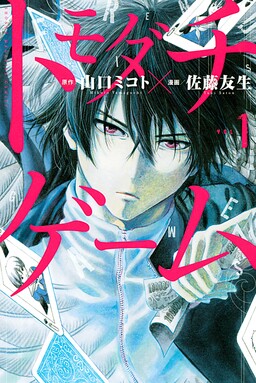
Tomodachi Game
Yu's review of Tomodachi Game — Yuichi and his four close friends suddenly find themselves participating in the 'Tomodachi Game,' a debt-resolution game run by a mysterious organization; one of them enrolled everyone to pay off a debt, and the games are specifically designed to strain and destroy friendships.
Action / Fantasy
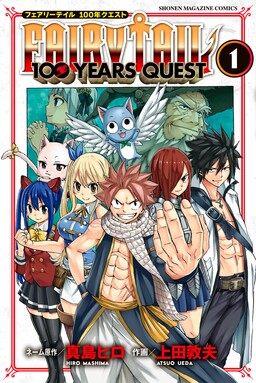
Fairy Tail: 100 Years Quest
Yu's review of Fairy Tail: 100 Years Quest — the direct sequel to Fairy Tail sends Natsu and Team Natsu on a quest that has gone uncompleted for 100 years, involving five Dragon Gods whose power exceeds anything they've previously faced; this is Fairy Tail continuing with the same team, same energy, and new antagonists.

Action / Fantasy
JoJo's Bizarre Adventure
Yu's review of JoJo's Bizarre Adventure — a generational saga following the Joestar bloodline across centuries and continents, each story featuring a new JoJo facing supernatural evil with increasingly creative and bizarre combat abilities.

Action
Ya Boy Kongming! (Paripi Koumei)
Yu's review of Ya Boy Kongming! — Zhuge Liang, the legendary strategist of the Three Kingdoms era, reincarnates in modern Tokyo; he arrives at a Shibuya club and hears a singer named Eiko whose talent is undeniable; he becomes her manager; Yoichi Takahashi's comedy manga about military strategy applied to the music industry.
Action / Fantasy
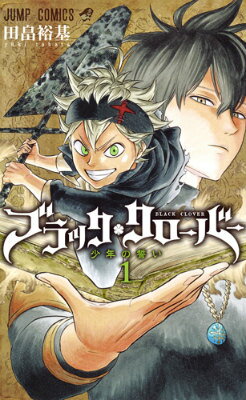
Black Clover
Yu's review of Black Clover — in a world where everyone is born with magic, Asta has none. He screams, he trains, he picks up two anti-magic swords, and he refuses to stop running toward the throne.

Action
Shaman King: Flowers
Yu's review of Shaman King: Flowers — Hana Asakura, son of Yoh and Anna, is the protagonist of this sequel set in 2020; the shaman world has changed but the fights continue; Hiroyuki Takei's continuation of the Shaman King world through the next generation.
Written by
Yu
Manga Enthusiast from Japan
I grew up in Japan and manga literally saved me during a tough time in elementary school. My English isn't perfect, but my love for manga is real — and I want to share it with you.
Disclosure: This post contains affiliate links. As an Amazon Associate, I earn from qualifying purchases at no extra cost to you.