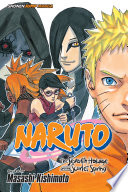
Naruto: The Seventh Hokage and the Scarlet Spring Review: The Epilogue That Sets Up the Next Generation
by Masashi Kishimoto
Read the first volume. If it doesn't hook you, put it down. It'll hook you.
Buy Naruto: The Seventh Hokage and the Scarlet Spring on Amazon →*Affiliate link — I earn a small commission at no extra cost to you.
The story was over. Then Kishimoto gave one more chapter to the child who had to grow up in the aftermath of everything that happened.
Quick Take
- The bridge story between Naruto and Boruto, following Sarada Uchiha
- Sarada searching for her father is more emotionally interesting than most of the Boruto setup
- Single volume — readable in one sitting, complete
Who Is This Manga For?
- Naruto fans who finished the series and want to see the next generation beginning
- Readers who prefer Sarada as a protagonist over Boruto
- People who want the narrative bridge before starting Boruto
- Anyone who wants a short, complete Naruto-universe story
Content Warnings & Age Rating
Age Rating: T (Teen) Content Warnings: Action violence, mild language, identity and family themes
Standard Naruto content levels. No heavier than the original series.
Yu's Rating
| Category | Score |
|---|---|
| Story Depth | ★★★☆☆ |
| Art Style | ★★★★☆ |
| Character Development | ★★★☆☆ |
| Accessibility for Non-Japanese Readers | ★★★★☆ |
| Reread Value | ★★★☆☆ |
Story Overview
Sarada Uchiha is the daughter of Sasuke and Sakura — and she doesn't really know her father. Sasuke has been away on a long mission her entire life. She has a photo that raises questions about who her mother is. She's about to take the Chunin Exam. She decides to find Sasuke herself and get answers.
The story follows her journey toward her father, accompanied by Naruto — now Seventh Hokage, as overwhelmed by paperwork as by enemies, which is played partly for comedy and partly for the genuine weight of what he became. Their encounter with a mysterious figure named Shin leads into a conflict that becomes the story's climax.
The emotional core is Sarada deciding what she believes about family — not blood, not documentation, but choice and presence — and finding where Sasuke fits in that understanding.
Characters
Sarada Uchiha — The reason to read this. She has Sasuke's intensity and Sakura's determination, and she's working out who she is separate from both of them. The single volume doesn't have room to fully develop her, but what's here is a strong foundation.
Naruto — Depicted in a new register — the Hokage bearing the full weight of the job, simultaneously more powerful and more burdened than the version from the original series. His guidance of Sarada is one of the volume's warmest elements.
Sasuke — Present but defined by his absence for most of the story. The reunion with Sarada is handled well — not a triumphant homecoming but an honest encounter between two people who don't know each other yet.
Art Style
Kishimoto's art is at its most refined here — he'd spent 15 years drawing in this visual vocabulary and it shows. Character designs for the next generation feel continuous with the original series without being derivative. Action sequences are clean and well-choreographed.
Cultural Context
The question of what a father's absence means — for a child and for a family's cohesion — is a recurring theme in Japanese family drama. Sasuke's long absence and the specific way Sarada processes it resonates with broader cultural anxieties about absent fathers (particularly fathers absent due to professional obligation, a common trope in Japanese family fiction).
Sarada's ultimate conclusion — that family is defined by who chooses to be present, not by biology or paperwork — is the thematic resolution the story reaches.
What I Love About It
The scene where Sarada asks Naruto directly about her father — not asking him to justify Sasuke, but trying to understand what kind of person he is — and Naruto's answer, which is honest about both Sasuke's failures and what he means — is the single best scene in the volume.
Naruto knowing Sasuke well enough to explain him to his own daughter, without either endorsing the absences or condemning them, is something the original series spent 700 chapters building toward.
What English-Speaking Fans Say
Mixed but generally positive. Sarada is consistently cited as the best part — many readers prefer her as a protagonist to Boruto. The single-volume format is noted as appropriate for what it's doing: this is an epilogue and a setup, not a main event. Criticism focuses on it feeling slight for the questions it raises.
Memorable Scene ⚠️ Spoiler Warning
The moment Sarada activates her Sharingan for the first time — not in battle, not in training, but in an emotional confrontation — mirrors how Sasuke first awakened his own. The reference is intentional. It works.
Similar Manga
| Title | Its Approach | How Naruto: Seventh Hokage Differs |
|---|---|---|
| Boruto: Naruto Next Generations | The full next-generation story | Boruto is much longer and Naruto-focused; Seventh Hokage is specifically Sarada's story |
| Naruto (main series) | The complete original story | The main series is the prerequisite; this is the coda |
| Dragon Ball Super | Next-generation continuation of a shonen franchise | DBS is more action-focused; Seventh Hokage is more character-emotionally focused |
Reading Order / Where to Start
Read after finishing Naruto — this is an epilogue, not an entry point. It functions as a direct bridge to Boruto.
Official English Translation Status
Viz Media published the single volume in English. Complete.
Pros & Cons
Pros
- Sarada is a compelling character who deserves her own story
- The Naruto-Sarada dynamic is unexpectedly warm
- Single volume — appropriate length for what it's doing
- Sets up the next generation without rushing
- Kishimoto's art is at its most polished
Cons
- Limited to readers with full Naruto context
- Single volume means limited depth for everything it's trying to establish
- Some fans found the Shin subplot less interesting than the family drama
- The transition to Boruto is smoother if you've already decided to read Boruto
Is Naruto: The Seventh Hokage Worth Reading?
For Naruto fans, yes — a single volume, and Sarada is worth the time. For Boruto-curious readers, it's the ideal bridge.
Format Comparison
| Format | Pros | Cons |
|---|---|---|
| Physical | Single volume — easy to own | — |
| Digital | Convenient | — |
| Omnibus | N/A — single volume | — |
Where to Buy
Read the first volume. If it doesn't hook you, put it down. It'll hook you.
This post contains affiliate links. If you purchase through these links, I may earn a small commission at no extra cost to you. As an Amazon Associate, I earn from qualifying purchases.
*Affiliate link — I earn a small commission at no extra cost to you.
More Manga You Might Like
Action / Adventure
Sand Land
Yu's review of Sand Land — Beelzebub is the son of the Demon King; he teams up with an old sheriff named Rao to cross a desert and find a legendary lake, because the Demon Realm needs water and the king is hoarding what exists; Akira Toriyama's standalone adventure.
Comedy / Action
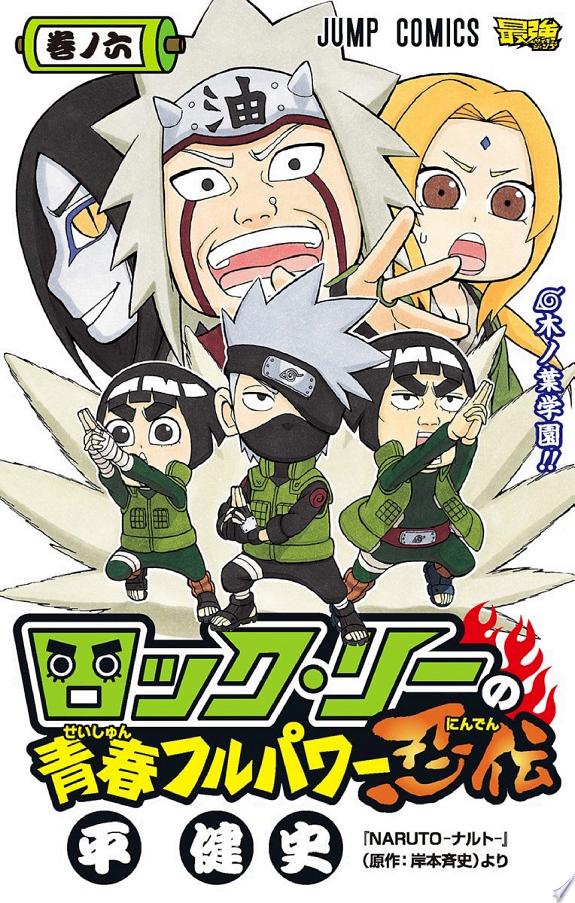
Rock Lee's Springtime of Youth Full Power Ninja Chronicles
A comprehensive review of Rock Lee's Springtime of Youth Full Power Ninja Chronicles — plot, characters, art style, and whether it's worth reading.
Action / Historical
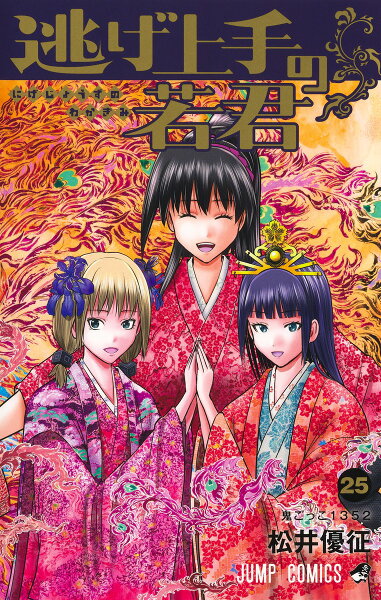
The Elusive Samurai
A review of The Elusive Samurai by Yusei Matsui, following a young noble who survives the fall of the Kamakura shogunate through unmatched evasion skills.
Action / Drama
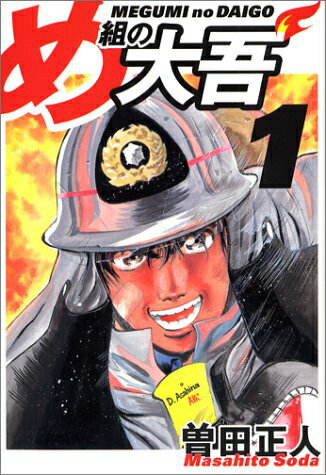
Daigo of Fire Company M
Daigo of Fire Company M follows Daigo Asahina, an extraordinary new firefighter who joins Company M — and the question of what drives a young man of exceptional ability to choose the most dangerous possible job.
Action / Sci-Fi
Cobra
Cobra is the greatest space pirate who ever lived — charming, unstoppable, and armed with the Psychogun fused to his arm — in a galaxy-spanning adventure that turned stylish cool into a manga philosophy.
Action / Martial Arts
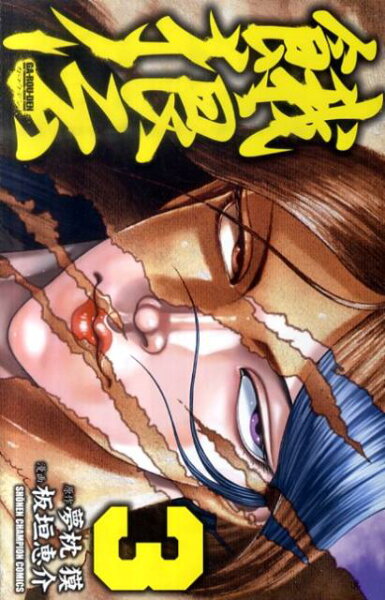
Garouden
Garouden follows Bunshichi Tanba, a former judoka who operates in the underground fighting world — a manga drawn by Jiro Taniguchi with psychological depth and physical authenticity rare in fighting manga.
Written by
Yu
Manga Enthusiast from Japan
I grew up in Japan and manga literally saved me during a tough time in elementary school. My English isn't perfect, but my love for manga is real — and I want to share it with you.
Disclosure: This post contains affiliate links. As an Amazon Associate, I earn from qualifying purchases at no extra cost to you.