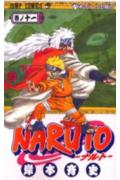
Naruto Review: The Manga That Taught Me It's Okay to Be the Outcast
by Masashi Kishimoto
Read the first volume. If it doesn't hook you, put it down. It'll hook you.
Buy Naruto on Amazon →*Affiliate link — I earn a small commission at no extra cost to you.
Uzumaki Naruto is a boy who has been alone his whole life. Sealed inside him is the Nine-Tailed Fox — the monster that nearly destroyed the Hidden Leaf Village. The adults fear him. The kids avoid him. He is the one who sits alone at lunch every single day.
I'm Yu. I first read Naruto in elementary school, when I was the kid that other kids didn't include. I understood exactly what he felt.
Quick Take
- Masashi Kishimoto's Naruto (NARUTO―ナルト―) ran in Weekly Shonen Jump — 72 volumes, complete.
- VIZ Media published the complete 72-volume English edition.
- Rated T (Teen) — action violence; themes of death and loss; emotional weight increases significantly in later arcs.
Story Overview
Naruto dreams of becoming Hokage — the strongest ninja and leader of the village — not for power, but for recognition. He just wants someone to finally see him.
The series follows Naruto from his days as the worst student at the ninja academy, through his time on Team Seven with rival Sasuke and teammate Sakura under teacher Kakashi. What starts as training missions slowly becomes something much larger: rival villages, ancient conspiracies, and eventually a war that threatens the entire world.
At its heart, Naruto asks one question: can someone rejected by everyone still become someone worth believing in?
Characters
Uzumaki Naruto — Loud, impulsive, annoying at first. Beneath that is someone who has never once stopped trying, no matter how many times he is knocked down. His growth across 72 volumes is one of the best in manga.
Uchiha Sasuke — Naruto's rival and emotional counterweight. Brilliant and cold, carrying a tragedy that shapes every decision he makes. His story is darker than Naruto's and just as compelling.
Hatake Kakashi — The cool, mysterious teacher whose face is never seen. His backstory, when it finally arrives, is one of the series' best moments.
Gaara of the Sand — Introduced as an enemy; becomes one of the most important characters in the series. His parallel to Naruto — also alone, also seen as a monster — is where the manga reveals what it is truly about.
Uchiha Itachi — His full truth, when revealed, recontextualizes everything. Everything you thought you knew turns upside down.
What I Love About It
Naruto never gives up. Not because he is unbeatable — because he does not know how to quit. Watching this loud, ridiculous kid that nobody wanted slowly earn the respect of every person who once dismissed him mattered to me in a way I couldn't explain as a child.
The moment that stays with me is the fight with Pain. Naruto returns to the destroyed village and for the first time, the people who avoided him his whole life are chanting his name. Kishimoto doesn't make it feel cheap. It feels earned. Years of struggle, all arriving at once.
I still get chills thinking about it.
Memorable Scene ⚠️ Spoiler Warning
The truth about Itachi Uchiha.
For most of the series, Itachi is presented as a monster — the man who slaughtered his own clan and left his little brother as the only survivor. When the full truth arrives, it recontextualizes everything. Every cruel thing he did, he did out of love. He chose to be hated by the person he loved most so that the village could survive.
It makes you go back and reread scenes you have already read, seeing them completely differently. Kishimoto hid it in plain sight the whole time.
Pros & Cons
Pros:
- The outcast-to-legend arc is the most emotionally resonant in manga.
- 72 volumes with genuine accumulated depth — the payoffs are earned.
- Complete — full narrative resolution available now.
- Supporting cast (Kakashi, Gaara, Itachi) is exceptional.
Cons:
- Part 2 drags significantly in the war arc (volumes 50+).
- Sakura's early characterization has not aged well.
- 72 volumes is a serious commitment.
Is Naruto Worth Reading?
Yes — the emotional core hits hard even decades later. Part 1 (volumes 1–27) is near-perfect shonen storytelling. Part 2 varies, but the payoffs around Naruto, Sasuke, and Itachi land where they need to. If you're not hooked by volume 5, the series probably isn't for you. Most readers are hooked by then.
Who Is This Manga For?
- Anyone who grew up feeling like they didn't belong.
- Readers who want long-form shonen with real emotional weight behind the fights.
- New manga readers looking for a beloved entry point.
- Fans of the "underdog earns everything" arc done at full scale.
Official English Translation Status
VIZ Media published the complete 72-volume English edition. Available in print, digital, and 3-in-1 omnibus format.
Where to Buy
VIZ Media's complete 72-volume English edition.
This post contains affiliate links. If you purchase through these links, I may earn a small commission at no extra cost to you. As an Amazon Associate, I earn from qualifying purchases.
*Affiliate link — I earn a small commission at no extra cost to you.
More Manga You Might Like
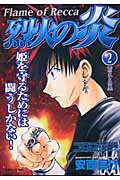
Action / Ninja
Flame of Recca
Yu's review of Flame of Recca — a high school boy obsessed with ninjas discovers he can summon fire and is actually an heir of the ancient Hokage flame ninja clan, pulling him into a battle with a deathless villain who wants to use the power of flames to achieve immortality.
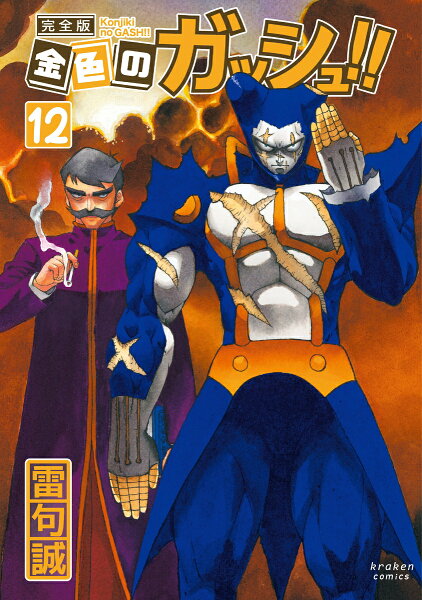
Action / Adventure
Zatch Bell!
A review of Zatch Bell! — 33 volumes in Weekly Shonen Sunday. Genius middle schooler Kiyo Takamine partners with demon child Zatch Bell in a battle royale of 100 demon/human pairs competing to become King of the Mamodo World; Zatch wants to be a kind king. The manga that made an entire generation cry about a book burning. VIZ Media's English edition is complete.
Action / Supernatural
Yu Yu Hakusho
A review of Yu Yu Hakusho — 19 volumes in Weekly Shonen Jump. Yusuke Urameshi dies heroically saving a child, is recruited as a Spirit Detective to investigate supernatural cases, and grows from a delinquent who doesn't care about anything into someone with people worth protecting. The series Togashi made before Hunter x Hunter. VIZ Media's English edition is complete.
Action / Supernatural
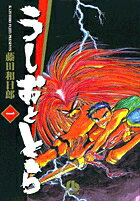
Ushio and Tora
Yu's review of Ushio and Tora — Ushio finds an ancient beast-spirit called Tora pinned under the temple floor; he releases Tora to fight other spirits threatening his town; Tora intends to eat Ushio eventually; they travel Japan fighting supernatural threats.
Action / Historical
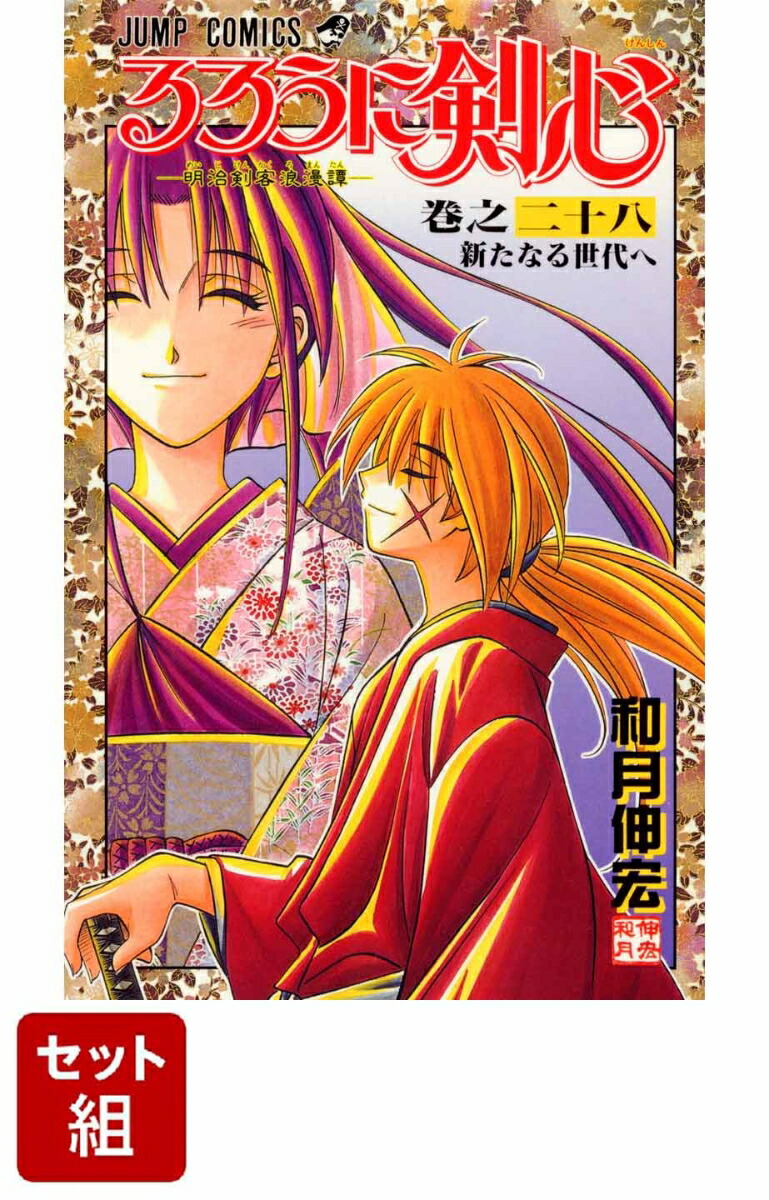
Rurouni Kenshin
A review of Rurouni Kenshin — 28 volumes in Weekly Shonen Jump. Himura Kenshin was Japan's most feared assassin of the Bakumatsu; he now wanders with a reverse-blade sword, trying to protect without killing. The Kyoto Arc is one of the greatest extended arcs in manga, and Shishio is the genre's finest villain. VIZ Media's English edition is complete.
Action / Comedy
Mob Psycho 100
A review of Mob Psycho 100 — 16 volumes on Ura Sunday. Shigeo Kageyama (Mob) is the most powerful psychic alive and keeps his powers suppressed because he doesn't want to hurt anyone; he just wants to get better at talking to his crush. The best manga about emotional suppression and what actual strength looks like. Dark Horse Comics' English edition is complete.
Written by
Yu
Manga Enthusiast from Japan
I grew up in Japan and manga literally saved me during a tough time in elementary school. My English isn't perfect, but my love for manga is real — and I want to share it with you.
Disclosure: This post contains affiliate links. As an Amazon Associate, I earn from qualifying purchases at no extra cost to you.