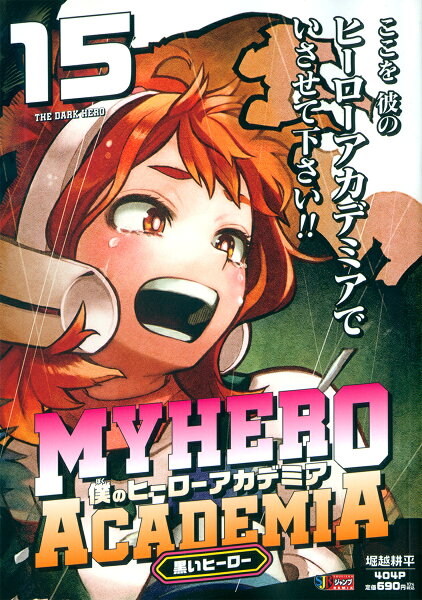
My Hero Academia Review: What Does It Really Mean to Be a Hero?
by Kohei Horikoshi
Read the first volume. If it doesn't hook you, put it down. It'll hook you.
Buy My Hero Academia on Amazon →*Affiliate link — I earn a small commission at no extra cost to you.
Quick Take
- A superhero manga set in a world where almost everyone has powers — except the protagonist
- Starts as a classic underdog story and gradually becomes something much darker and more complex
- 40 volumes, now complete — the full journey from powerless kid to hero is finished
Who Is This Manga For?
My Hero Academia is for you if:
- You love superhero stories but want the depth of manga storytelling
- You grew up feeling like you weren't enough — not talented enough, not special enough
- You want a large cast of characters where almost everyone gets meaningful development
- You like stories that start bright and hopeful and gradually reveal the cost of the ideals they're built on
Content Warnings & Age Rating
Age Rating: T (Teen) Content Warnings: Violence (superhero battles), themes of trauma, mental health struggles, and the psychological weight of heroism. Later arcs deal with darker themes including societal collapse and radicalization.
The series starts lighter and grows steadily darker. By the final arcs it's dealing with genuinely heavy material about identity, trauma, and what it costs people to be strong for others. Still appropriate for teens, but the emotional content becomes intense.
Yu's Rating
| Category | Score |
|---|---|
| Story Depth | ★★★★☆ |
| Art Style | ★★★★☆ |
| Character Development | ★★★★★ |
| Accessibility for Non-Japanese Readers | ★★★★★ |
| Reread Value | ★★★★☆ |
Story Overview
In a world where roughly 80% of people are born with a "Quirk" — a unique superpower — the remaining 20% are Quirkless. Izuku Midoriya is one of them. And he wants, more than anything, to be a hero.
He worships All Might, the world's greatest hero, the Symbol of Peace — a man who smiles no matter what and always wins. Izuku knows becoming a hero without a Quirk is practically impossible. He's been told this his whole life. He still can't let it go.
When Izuku has a chance encounter with All Might, something unexpected happens: All Might recognizes in this Quirkless boy exactly the quality that defines a true hero. He passes down his own power — One For All, an ability that has been handed down through generations — to Izuku.
Now Izuku enters UA High School, the most prestigious hero training academy in Japan, with more power than his body can handle, in a world where the line between hero and villain is becoming harder to see.
Characters
Izuku Midoriya (Deku) — An intensely earnest protagonist who takes notes on every hero he observes, cries constantly, and throws himself into danger without thinking about his own body. His emotional intelligence is one of the series' greatest strengths.
Katsuki Bakugo — Deku's explosive childhood rival who is brilliant, cruel, and one of the series' most compelling characters. His arc from bully to something more complicated is handled with real care.
Shoto Todoroki — Half ice, half fire, carrying a devastating family history that shapes everything he does. His arc is arguably the emotional peak of the middle volumes.
All Might (Toshinori Yagi) — The series' greatest hero and its most tragic figure. Watching what it cost him to be the Symbol of Peace is central to what the manga is really asking.
Eraserhead (Shota Aizawa) — The homeroom teacher. Perpetually exhausted, deeply invested in his students. One of the best teacher characters in shonen manga.
Tomura Shigaraki — The primary villain, and one of the most carefully developed antagonists in recent manga. His origin story reframes the entire hero society the series is set in.
Art Style
Horikoshi's art is dynamic and expressive, with character designs that range from sleek and cool to delightfully absurd. The Quirk designs are inventive — some are elegant, some are deeply weird, all feel thought through.
Fight sequences are fluid and easy to follow, with good use of negative space and impact. The emotional facial expressions are particularly strong — you always know exactly what a character is feeling.
The art improves considerably over the series' run. Later volumes are noticeably more detailed and confident than the early ones.
Cultural Context
The hero society at the center of My Hero Academia reflects Japanese anxieties about performance culture and public image. Heroes are celebrities. Their public approval ratings matter. All Might smiles even when he's bleeding internally. This performance of strength as social necessity is very specifically Japanese.
The school structure at UA — entrance exams, ranking systems, homeroom teachers who know every student's emotional state — reflects real Japanese educational culture, heightened to an extreme.
The villain's critique — Shigaraki and the League of Villains articulate something the series takes seriously: hero society has abandoned the people who fell through its cracks. The story doesn't let the heroes dismiss this. It makes them sit with the truth of it.
What I Love About It
There's a scene in Volume 2 that I still think about.
Deku runs toward a villain before he has any power, before anyone asks him to, before he knows if he can help at all — just because his childhood friend was in danger and his body moved before his brain caught up.
All Might watches this and says: "You can be a hero."
It's such a simple moment. But it captures something I've spent a lot of time thinking about — the idea that heroism isn't about being the strongest or the most powerful. It's about the moment when you act even though you're afraid, even though you might fail.
I didn't have that in elementary school. I wish I had. I think Deku is the kind of character a lonely kid needs to read.
What English-Speaking Fans Say
My Hero Academia has one of the largest manga fanbases outside Japan — partly thanks to the anime, but the manga has its own dedicated following. Western fans tend to love the early arcs (particularly the Sports Festival arc in volumes 4–5 and the Stain arc in volumes 6–7) and are more divided on the later villains-focused arcs.
The final arc divided fans. Some found the emotional payoffs on years of character work deeply satisfying. Others felt the pacing rushed. The Bakugo and Deku dynamic, which runs through the entire series, is frequently cited as the emotional core that holds everything together regardless of which arc you're in.
Memorable Scene ⚠️ Spoiler Warning
All Might vs. All For One.
The Symbol of Peace — the man who has spent his entire career smiling, projecting invulnerability, telling the world that heroes always win — uses the last of his power in a public battle that everyone is watching.
When it's over, he can no longer hold his muscle form. The whole world watches him transform back into the frail, gaunt man he actually is. He points at the camera and says: "You're next."
It's a bluff. He has nothing left. But in that moment, he gives every young person watching a little more time before they have to feel fear.
I watched that scene and thought about every adult who ever held themselves together for someone else's sake. It broke me open in a good way.
Similar Manga
If you liked My Hero Academia, try:
- Naruto — The foundational underdog story that MHA is clearly in dialogue with
- Black Clover — Very similar structure, magic instead of Quirks, high energy
- Tiger & Bunny — Older series, heroes as corporate entities, similar superhero-meets-society critique
- One Punch Man — Satirizes the genre MHA celebrates; reading both together is rewarding
Reading Order / Where to Start
Start from Volume 1. The early volumes establish character dynamics that pay off over 40 volumes.
Natural break points:
- Volumes 1–3: Setup and UA entrance — establishes the world
- Volumes 4–7: Sports Festival through Stain arc — where the series truly finds itself
- These arcs are widely considered the high point, so if you make it to Volume 7 and love it, you're committed
Official English Translation Status
Status: Complete English Volumes: 40 (all volumes available) Translator: VIZ Media Translation Quality: Excellent throughout
The complete series is available in English. The whole 40-volume story is there waiting for you.
Pros & Cons
Pros
- One of the best casts in shonen manga — almost every character gets meaningful development
- The Deku/Bakugo dynamic is one of the most compelling rivalries since Naruto/Sasuke
- Complete at 40 volumes — the full story is done
- Accessible to readers new to manga
Cons
- 40 volumes is a significant commitment
- The final arc pacing felt rushed to many readers
- Middle arcs (around volumes 18–25) are slower and more divisive
- Some villains in the middle of the series are underused
Format Comparison
| Format | Volumes | Price per vol. (approx.) | Best for |
|---|---|---|---|
| Paperback (individual) | 40 vols | ~$9–11 | Collecting |
| Kindle | 40 vols | ~$6–8 | Fastest way through |
| Box Sets | Multiple available | ~$60–80 per set | Physical value |
Recommendation: Kindle if you want to read quickly. Physical box sets if you're committing to a shelf presence.
Where to Buy
Read the first volume. If it doesn't hook you, put it down. It'll hook you.
This post contains affiliate links. If you purchase through these links, I may earn a small commission at no extra cost to you. As an Amazon Associate, I earn from qualifying purchases.
*Affiliate link — I earn a small commission at no extra cost to you.
More Manga You Might Like
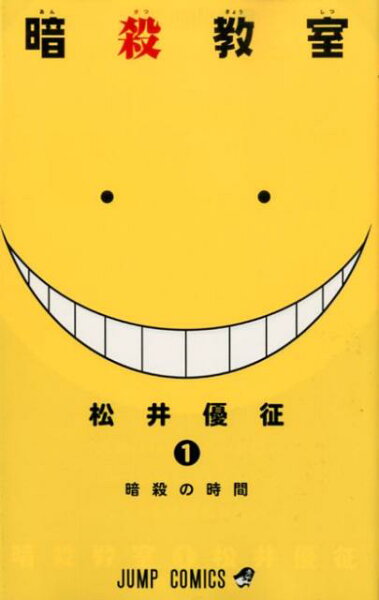
Action / Comedy
Assassination Classroom
Yu's review of Assassination Classroom — 21 volumes about a class of underachievers assigned to kill their alien teacher before he destroys the Earth. The funniest manga about murder, and the most moving manga about being seen by a teacher who refused to write you off.
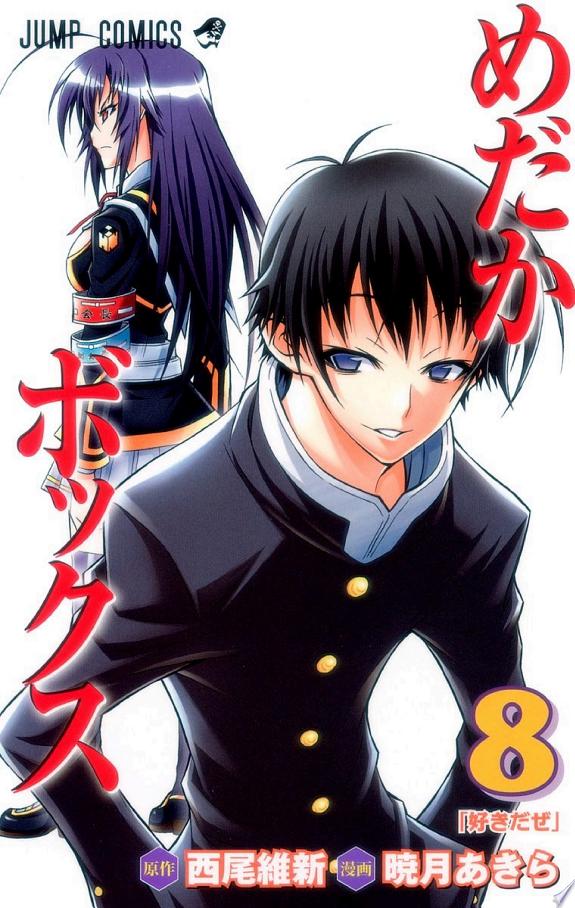
Action / Comedy
Medaka Box
Yu's review of Medaka Box — Medaka Kurokami is elected student council president with 98% of the vote and wants to answer every student's problems using the school suggestion box; the manga begins as school comedy and transforms into a meta-commentary on shonen manga tropes.
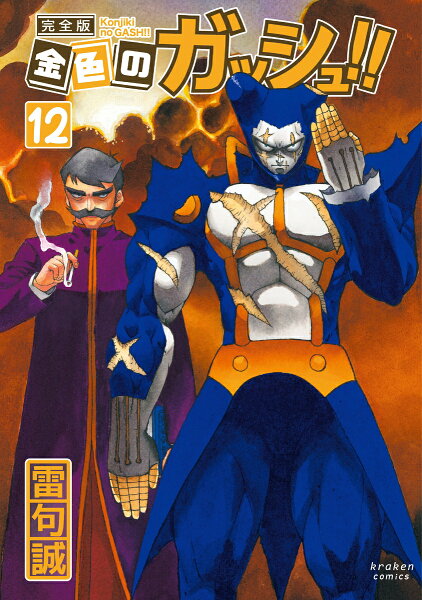
Action / Adventure
Zatch Bell!
A review of Zatch Bell! — 33 volumes in Weekly Shonen Sunday. Genius middle schooler Kiyo Takamine partners with demon child Zatch Bell in a battle royale of 100 demon/human pairs competing to become King of the Mamodo World; Zatch wants to be a kind king. The manga that made an entire generation cry about a book burning. VIZ Media's English edition is complete.
Action / Supernatural
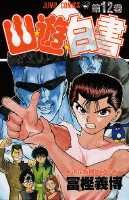
Yu Yu Hakusho
A review of Yu Yu Hakusho — 19 volumes in Weekly Shonen Jump. Yusuke Urameshi dies heroically saving a child, is recruited as a Spirit Detective to investigate supernatural cases, and grows from a delinquent who doesn't care about anything into someone with people worth protecting. The series Togashi made before Hunter x Hunter. VIZ Media's English edition is complete.
Action / Supernatural
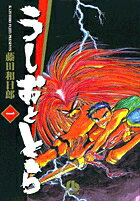
Ushio and Tora
Yu's review of Ushio and Tora — Ushio finds an ancient beast-spirit called Tora pinned under the temple floor; he releases Tora to fight other spirits threatening his town; Tora intends to eat Ushio eventually; they travel Japan fighting supernatural threats.
Action / Drama
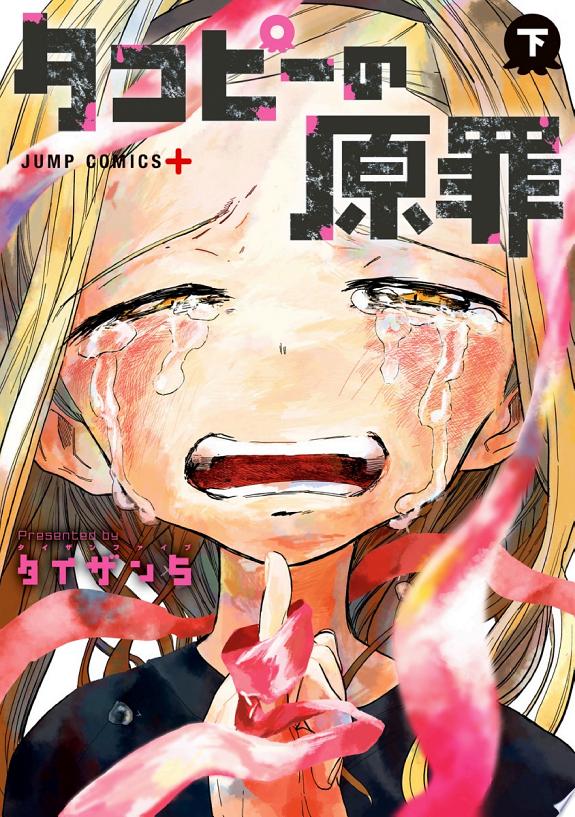
Takopi's Original Sin
Yu's review of Takopi's Original Sin — Takopi is an alien from Happy Planet sent to spread happiness on Earth; he meets Shizuka, a girl who is being bullied and whose home life is deeply troubled; the series uses Takopi's happiness abilities to examine what happiness means when suffering is real.
Written by
Yu
Manga Enthusiast from Japan
I grew up in Japan and manga literally saved me during a tough time in elementary school. My English isn't perfect, but my love for manga is real — and I want to share it with you.
Disclosure: This post contains affiliate links. As an Amazon Associate, I earn from qualifying purchases at no extra cost to you.