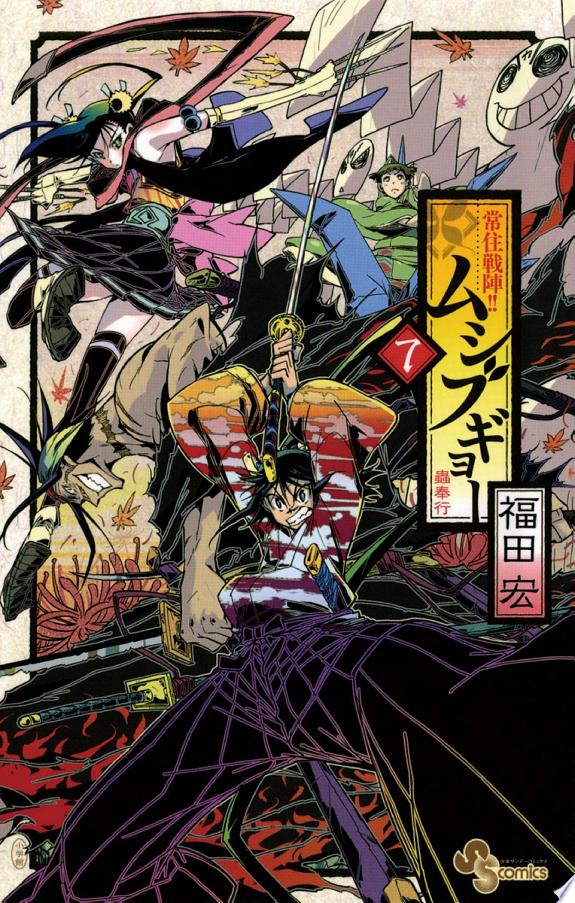
Mushibugyo Review: Edo Period Bug Hunting That Hits Harder Than It Has Any Right To
by Hiroshi Fukuda
Read the first volume. If it doesn't hook you, put it down. It'll hook you.
Buy Mushibugyo on Amazon →*Affiliate link — I earn a small commission at no extra cost to you.
Quick Take
- Edo period Japan overrun by giant insects; small team of elite hunters protects the city
- Main character Jinbei is pure hot-blooded shonen energy done right
- The side characters and their backstories are better than the premise would suggest
Who Is This Manga For?
- Fans of classic Shonen Sunday action manga (Inuyasha, Zatch Bell, Kenichi)
- Readers who enjoy historical settings with supernatural elements
- Anyone who loves ensemble cast action manga where everyone gets development
- Those who can appreciate earnest, sincere shonen without irony
Content Warnings & Age Rating
Age Rating: T (Teen) Content Warnings: Violence, giant insects (may be disturbing for arachnophobes), some horror imagery
About average for action shonen. Not particularly graphic but the bug enemies can be unsettling.
Yu's Rating
| Category | Score |
|---|---|
| Story Depth | ★★★☆☆ |
| Art Style | ★★★★☆ |
| Character Development | ★★★★☆ |
| Accessibility for Non-Japanese Readers | ★★★★☆ |
| Reread Value | ★★★☆☆ |
Story Overview
In the Edo period, Japan is plagued by massive insects that have appeared seemingly from nowhere and now terrorize the capital. To deal with this threat, the shogunate created the Mushibugyo — an insect magistrate's office staffed by elite hunters.
Jinbei Tsukishima arrives in Edo with his father's mission in mind. His father was also a fighter who had planned to serve in the Mushibugyo, but was injured. Jinbei comes in his place, carrying both his father's duty and his giant sword.
He joins a team of specialist hunters, each with different weapons, styles, and backstories. Together they protect the city from increasingly powerful insect threats while uncovering the deeper mystery of where the giant insects came from and what they want.
Characters
Jinbei Tsukishima is textbook hot-blooded shonen hero — loud, determined, terrible at social cues, gets stronger through effort and friendship. What makes him work is his sincerity. He means everything he says. He protects people because he genuinely cannot imagine doing otherwise. In a more cynical manga era, that feels refreshing.
Hibachi is the tough female ninja of the group whose early antagonism with Jinbei predictably softens. Her combat style and backstory are both well-developed.
Tenma Ichinotani is the bishonen swordsman who seems above it all but turns out to have significant emotional depth.
Shungiku Koikawa is the older, experienced hunter whose relationship with the team functions as informal mentorship.
Oharu is the sweet-natured official assigned to the office whose role expands significantly as the series develops.
Art Style
Fukuda's art is energetic and well-suited to action. The Edo period setting is rendered with genuine detail — architecture, clothing, and geography feel right. The insect enemies are designed to be legitimately unsettling, with enough biological plausibility to make them feel like they could be real in this world's ecosystem.
Action sequences are well-choreographed with strong use of movement lines and impact frames. The art improves visibly over the long run.
Cultural Context
Edo period Tokyo (then called Edo) is a common setting for manga — Gintama, Rurouni Kenshin, and Dororo all use similar settings. Mushibugyo fits into this tradition while taking a specific angle: the shogunate's administrative systems and the social stratification of Edo society are part of the story, not just background.
The "city in need of protection from supernatural threat" structure echoes real Edo-period stories about supernatural events that were reported in period documents and woodblock prints. Japan's relationship with giant insects appears in folklore and art; Fukuda is drawing on a long tradition.
What I Love About It
I have a soft spot for this kind of manga. Not clever, not subversive, not trying to deconstruct anything. Just: here are people who protect others, here is why they do it, here is what it costs.
Jinbei is exhausting in the early chapters. He is so loud and earnest and certain. But over time, I found myself caring about that certainty. He holds onto it even when everything argues against it, and that stubbornness gradually becomes something like courage.
Also, the insects are genuinely creepy, which I appreciated.
What English-Speaking Fans Say
English-speaking readers often note that Mushibugyo is an underappreciated Shonen Sunday manga from a period when the magazine had several excellent series running simultaneously. It gets compared frequently to early Kenichi and Inuyasha as a solid example of the Weekly Sunday style.
Readers who grew up with the Shonen Sunday era tend to be nostalgic for it. Those coming in fresh find it a bit conventional but consistently entertaining.
Memorable Scene ⚠️ Spoiler Warning
There is a late-series backstory chapter about one of the elder hunters that completely reframes how you read their early behavior. The reveal of what they gave up, and why, is more emotionally affecting than anything in the first third of the series.
Fukuda spent time developing the secondary cast, and this is one of the moments where that investment pays off fully.
Similar Manga
- Inuyasha — historical supernatural action, also from Shonen Sunday
- Zatch Bell — same Weekly Shonen Sunday energy, different genre
- Kenichi: The Mightiest Disciple — martial arts training manga from same magazine
- Dororo — darker historical supernatural manga for comparison
Reading Order / Where to Start
Start from Volume 1. The series is linear and builds its cast and world methodically. VIZ Media published 26 volumes in English, which covers the bulk of the story.
Official English Translation Status
VIZ Media published 26 volumes in English. Note: the English release covers most but not all of the Japanese publication. Check current availability for the most up-to-date volumes.
Pros & Cons
Pros
- Strong ensemble cast with genuine development
- Edo-period setting rendered with care
- Consistent entertaining action throughout
- Jinbei's arc is a satisfying shonen hero journey
Cons
- Very conventional shonen structure — no surprises in the formula
- Early volumes are particularly familiar
- English release does not cover the full Japanese run
Format Comparison
| Format | Notes |
|---|---|
| Physical | VIZ volumes; standard sizing. Good option for the series. |
| Digital | Available on Viz and Kindle. |
| Omnibus | Not available; standard volumes recommended. |
Where to Buy
Read the first volume. If it doesn't hook you, put it down. It'll hook you.
*Affiliate link — I earn a small commission at no extra cost to you.
More Manga You Might Like
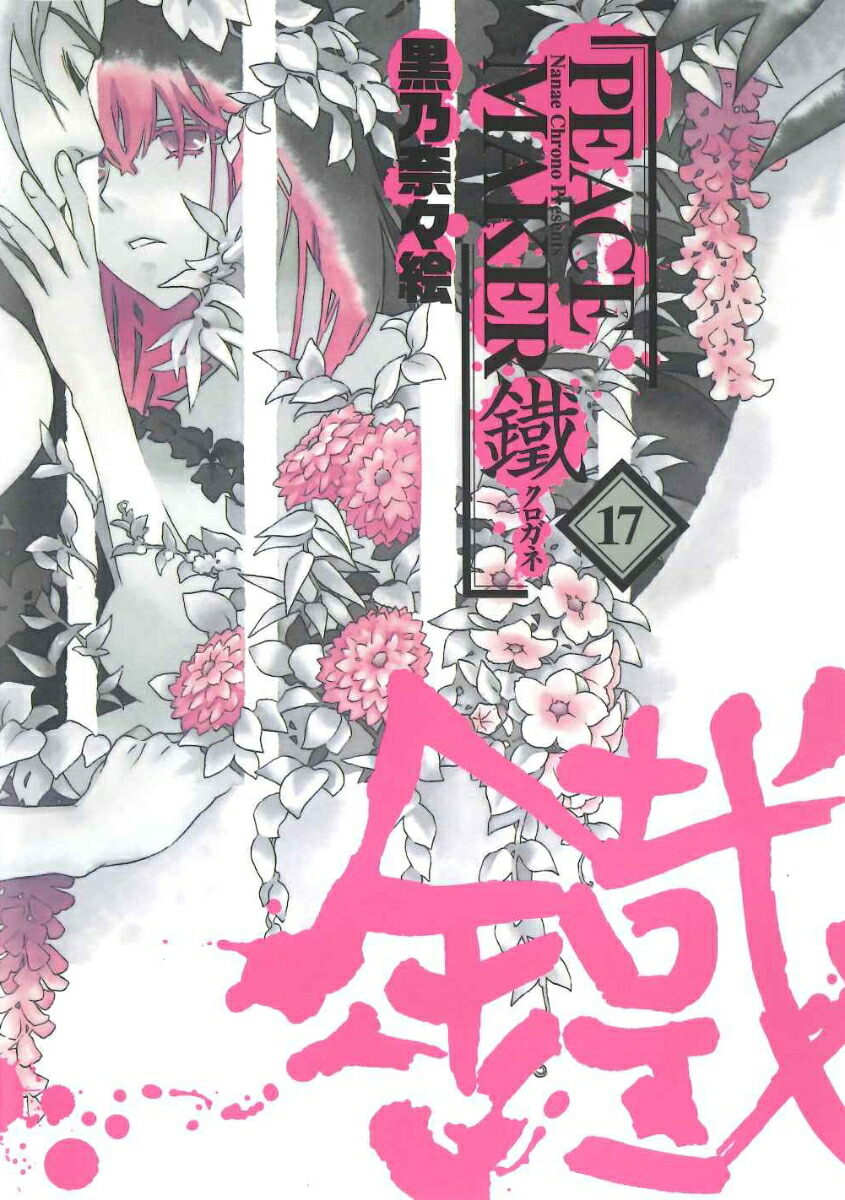
Action / Historical
Peacemaker Kurogane
A review of Peacemaker Kurogane — the historical action manga set at the end of the Edo period, following a boy who joins the Shinsengumi to avenge his parents and discovers what it costs to become a killer.
Action / Fantasy
Chrono Crusade
Yu's review of Chrono Crusade — Sister Rosette Christopher of the Magdalene Order partners with Chrono, a devil bound to her soul, to battle demonic threats across 1920s America while searching for her missing brother Joshua.
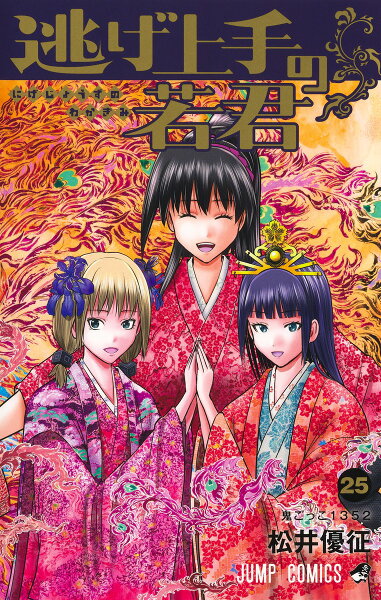
Action / Historical
The Elusive Samurai
A review of The Elusive Samurai by Yusei Matsui, following a young noble who survives the fall of the Kamakura shogunate through unmatched evasion skills.
Action
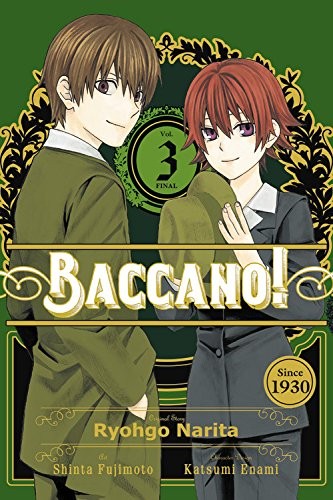
Baccano!
A review of the Baccano! manga by Shinta Fujimoto — the 3-volume Young Gangan adaptation of Ryohgo Narita's Grand Punk Railroad arc, where immortals, gangsters, and a bloody urban legend collide aboard the 1931 Flying Pussyfoot express.
Action / Supernatural
Yu Yu Hakusho
A review of Yu Yu Hakusho — 19 volumes in Weekly Shonen Jump. Yusuke Urameshi dies heroically saving a child, is recruited as a Spirit Detective to investigate supernatural cases, and grows from a delinquent who doesn't care about anything into someone with people worth protecting. The series Togashi made before Hunter x Hunter. VIZ Media's English edition is complete.
Action / Historical
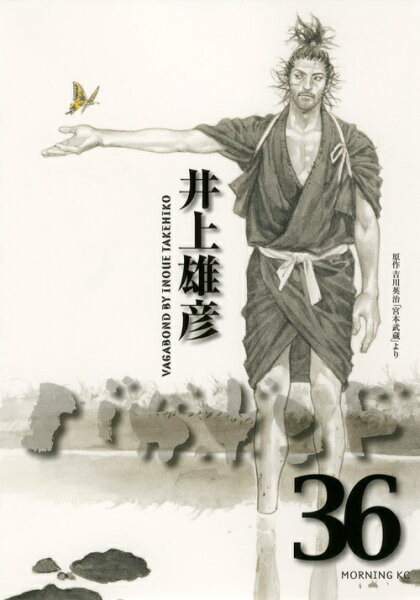
Vagabond
Yu's review of Vagabond — a manga about the historical Miyamoto Musashi's journey to become the greatest swordsman alive, and his gradual understanding that invincibility is not the same as wisdom. Visually the most beautiful manga ever published.
Written by
Yu
Manga Enthusiast from Japan
I grew up in Japan and manga literally saved me during a tough time in elementary school. My English isn't perfect, but my love for manga is real — and I want to share it with you.
Disclosure: This post contains affiliate links. As an Amazon Associate, I earn from qualifying purchases at no extra cost to you.