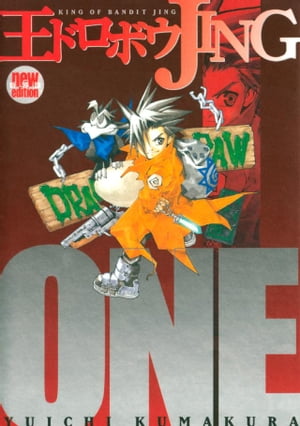
King of Bandit Jing Review: The Thief Who Steals What Can't Be Stolen
by Yuichi Kumakura
Read the first volume. If it doesn't hook you, put it down. It'll hook you.
Buy King of Bandit Jing on Amazon →*Affiliate link — I earn a small commission at no extra cost to you.
Every arc is about stealing something that can't be owned. Jing steals it anyway.
Quick Take
- A fantasy adventure manga with a standalone-arc structure: Jing travels to a new world each time and steals the impossible treasure at its center
- The treasure is always metaphorical — or at least stranger than it sounds
- 7 complete volumes; one of the more imaginative action series of its era
Who Is This Manga For?
- Readers who want fantasy adventure with creative, self-contained story arcs
- Fans of episodic manga where each arc introduces a completely new world
- People who enjoy action protagonists defined by cleverness rather than raw power
- Anyone who wants something genuinely inventive rather than formula-bound
Content Warnings & Age Rating
Age Rating: T (Teen) Content Warnings: Fantasy violence, mild suggestive content from Kir's interactions with women
Standard Monthly Shonen Ace content. The series is playful more than dark.
Yu's Rating
| Category | Score |
|---|---|
| Story Depth | ★★★☆☆ |
| Art Style | ★★★★★ |
| Character Development | ★★★☆☆ |
| Accessibility for Non-Japanese Readers | ★★★★★ |
| Reread Value | ★★★★☆ |
Story Overview
Jing is the King of Bandits — a legendary thief known throughout the world for stealing the unstealable. He travels with Kir, a crow who can attach himself to Jing's arm to fire a powerful energy blast called the Kir Royale. They arrive in a new location, encounter the impossible object at its center, and find a way to take it.
The structure is episodic and deliberate: each arc is its own enclosed world with its own characters, rules, and central treasure. The treasure is never just an object — it's a dream, a memory, a moment, a person's freedom. Jing doesn't steal things. He steals meanings.
The series doesn't explain how or why Jing travels from world to world. It doesn't need to. The fantasy logic is consistent within each arc and the cumulative effect is of a world that is genuinely larger and stranger than any single story can contain.
Characters
Jing — Cool, laconic, and capable in the specific way that makes his rare moments of effort feel earned. His defining quality is that he always has a plan and never explains it until it's already working.
Kir — The crow whose instinct for female attention provides consistent comic relief against Jing's reserve. Their dynamic is the series' consistent emotional warmth.
Arc-specific characters — Each story introduces a new set of characters who are the emotional center of that arc. The formula works because Kumakura creates people worth caring about in short spaces.
Art Style
Kumakura's art is the series' strongest element: elaborate, inventive, and visually distinct in a way that 1990s manga rarely achieved. Each world has its own visual grammar — architecture, costuming, creature design — that makes the world-hopping feel like genuine travel rather than set changes. The action sequences are kinetic and clear. The page compositions take risks that mostly pay off.
Cultural Context
King of Bandit Jing draws on the picaresque tradition — the traveling rogue who moves through worlds without being bound to them, taking what the world offers and leaving before it can take hold. The Japanese trickster tradition (represented by figures like Lupin III) is the closer cultural reference: the thief as hero, the theft as a kind of liberation.
The episodic structure reflects a specific approach to serialized manga that was more common in Monthly than Weekly titles — stories designed to be collected and reread rather than consumed immediately.
What I Love About It
The treasure in the "City of Night" arc — what Jing actually steals, and why it's the right thing to steal — is the moment the series clarifies what it's actually about. The adventures are entertaining. That arc is where they become meaningful.
Kumakura's character designs are also genuinely beautiful. Jing looks like a young Lupin III passed through a 1990s aesthetic filter and the result is exactly right for the character.
What English-Speaking Fans Say
A cult favorite — remembered fondly by readers who found it in the early Tokyopop era and rarely discussed now, but always with affection. The art is the consistent praise point. The imaginative world-building is the second. The episodic structure is noted as both the series' strength (accessible, inventive) and its limitation (limited character development across volumes).
Memorable Scene ⚠️ Spoiler Warning
The final arc's reveal of what Jing's legendary reputation actually means — who follows him, why, and what the "King of Bandits" title costs — is where the series elevates beyond adventure. It earns its title in the last pages.
Similar Manga
| Title | Its Approach | How King of Bandit Jing Differs |
|---|---|---|
| Trigun | Traveling protagonist through imaginative world | Trigun is more emotionally heavy; Jing is lighter and more episodic |
| Black Cat | Thief/assassin protagonist, action-focused | Black Cat is more plot-continuous; Jing is fully episodic |
| Outlaw Star | Space adventure with episodic arc structure | Similar energy; Jing's art is more elaborate, the worlds more fantastical |
Reading Order / Where to Start
Volume 1, straight through. Each arc is self-contained and the order matters only for the cumulative emotional effect.
Official English Translation Status
Tokyopop published all 7 volumes in English. Complete and available.
Pros & Cons
Pros
- Exceptional art with genuinely inventive world design
- Episodic structure makes any volume an accessible entry point
- Each arc has a distinct emotional identity
- Jing and Kir's dynamic is consistently entertaining
Cons
- Limited ongoing character development across arcs
- The episodic structure means no overarching plot payoff
- Some volumes out of print; availability varies
- Lighter than readers looking for narrative depth may expect
Is King of Bandit Jing Worth Reading?
For readers who want creative fantasy adventure with exceptional art — yes. Seven volumes of genuine imagination.
Format Comparison
| Format | Pros | Cons |
|---|---|---|
| Physical | Kumakura's art rewards full-page viewing | Some volumes out of print |
| Digital | More accessible | — |
| Omnibus | No omnibus available | — |
Where to Buy
Read the first volume. If it doesn't hook you, put it down. It'll hook you.
This post contains affiliate links. If you purchase through these links, I may earn a small commission at no extra cost to you. As an Amazon Associate, I earn from qualifying purchases.
*Affiliate link — I earn a small commission at no extra cost to you.
More Manga You Might Like
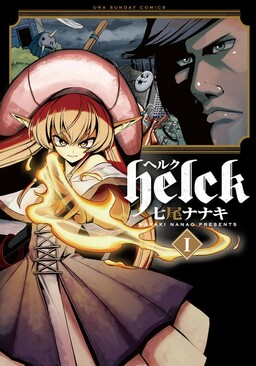
Action / Comedy
Helck
A review of Helck — 13 volumes in Shōnen Sunday S. A tournament is held to find the next Demon King; Helck, the most powerful human hero, arrives and enters claiming he wants to destroy humanity; demon captain Vermilio tries to expose him as a spy while he proves consistently, genuinely helpful. A fantasy comedy that earns its transition into something serious. VIZ Media's English edition is complete.
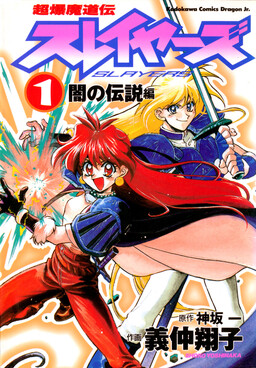
Fantasy / Comedy
Slayers
Yu's review of Slayers — Lina Inverse is a sorceress who is feared across the countryside for her combination of extreme magical power and extreme appetite; she travels with Gourry Gabriev, a swordsman of great physical ability and famously limited intellect, and leaves a trail of destroyed bandits and damaged architecture wherever she goes.
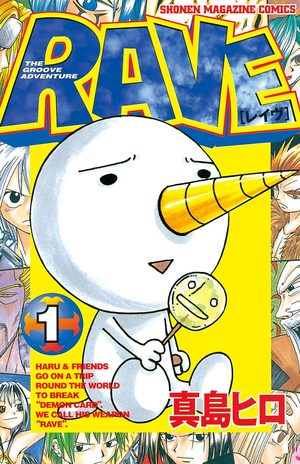
Action / Adventure
Rave Master (Groove Adventure Rave)
Yu's review of Rave Master — Haru Glory discovers he is the second Rave Master, holder of the legendary Holy Bring sword; with his companions, he travels the world collecting the five Rave stones and destroying the Dark Bring before they can be used to end the world.
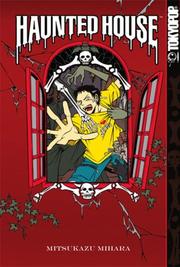
Action / Fantasy
+Anima
Yu's review of +Anima — in a world where some children develop +Anima, the ability to partially transform into animals and gain their characteristics, Cooro is a crow +Anima who travels through a world that treats +Anima as freaks or weapons; he is joined by Husky, a fish +Anima forced to perform as a mermaid; Senri, a bear +Anima with a traumatic past; and Nana, a bat +Anima searching for acceptance.
Action / Fantasy
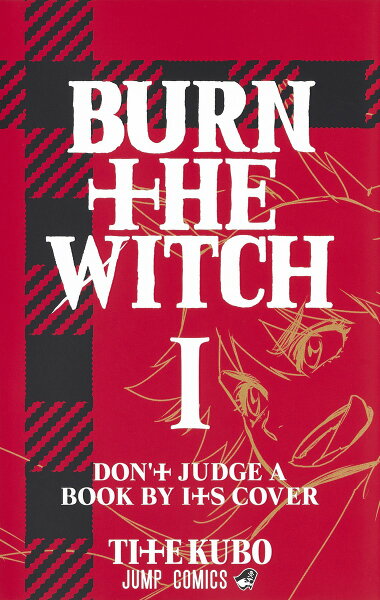
Burn the Witch
Yu's review of Burn the Witch — Tite Kubo's Bleach spinoff set in Western Branch, where two witch agents hunt dragons in a hidden version of London.
Action / Adventure
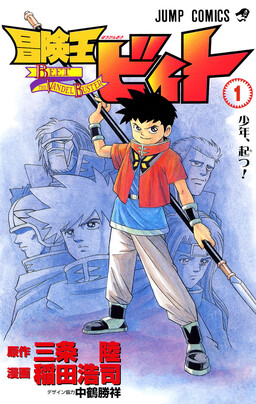
Beet the Vandel Buster
Yu's review of Beet the Vandel Buster — by the Dragon Quest: The Adventure of Dai duo Riku Sanjo and Koji Inada. The world is in a Dark Age ruled by Vandels, and the five legendary Zenon Warriors give up their lives to pour their souls into their Saiga weapons and save a dying boy named Beet. He inherits all five weapons, and the dream of ending the Dark Age, from heroes he can never thank.
Written by
Yu
Manga Enthusiast from Japan
I grew up in Japan and manga literally saved me during a tough time in elementary school. My English isn't perfect, but my love for manga is real — and I want to share it with you.
Disclosure: This post contains affiliate links. As an Amazon Associate, I earn from qualifying purchases at no extra cost to you.