
Kenka Bancho Review: The Delinquent Manga Where You Win Japan by Fighting Its Strongest
by Hiroyuki Nishimori
Read the first volume. If it doesn't hook you, put it down. It'll hook you.
Buy Kenka Bancho on Amazon →*Affiliate link — I earn a small commission at no extra cost to you.
Quick Take
- Based on the video game series: fight your way through Japan's toughest delinquents to become #1
- Straightforward delinquent action with humor; the protagonist is extremely entertaining
- Short English run (7 volumes) but complete for the localized portion
Who Is This Manga For?
- Readers who enjoy classic delinquent/banchou manga like Crows and Worst
- Those who appreciate action comedy without complicated plot
- Fans of the Kenka Bancho video game franchise
- Readers who want a shorter, more accessible entry to the delinquent genre
Content Warnings & Age Rating
Age Rating: T (Teen) Content Warnings: Delinquent fighting, gang conflict, school violence (in the genre tradition)
Standard delinquent manga content. Appropriate for teen readers familiar with the genre.
Yu's Rating
| Category | Score |
|---|---|
| Story Depth | ★★☆☆☆ |
| Art Style | ★★★☆☆ |
| Character Development | ★★★☆☆ |
| Accessibility for Non-Japanese Readers | ★★★★☆ |
| Reread Value | ★★★☆☆ |
Story Overview
Onigoroshi Takeshi is a delinquent with absurd physical strength who sets out to become Japan's strongest banchou — a title earned by defeating the strongest delinquents across the country.
The structure is a fighting tour: he travels to different regions, faces each area's dominant fighter, wins (usually), and moves on. Each opponent has their own personality and backstory. Some become allies after being defeated.
It is not complicated. It does not try to be. The delinquent manga formula is present in its purest form.
Characters
Takeshi is an immediately likable protagonist: straightforwardly powerful, slightly dim in a charming way, and with a clear moral code that amounts to "I only hit people who deserve it." His enthusiasm for the banchou challenge is genuine.
The opponents he faces are drawn in the tradition of delinquent manga — larger than life, personality defined by fighting style, with backstories that are meant to be touching or interesting rather than realistic.
Art Style
Nishimori's art style has the visual vocabulary of the genre: intense expressions during fights, exaggerated physical proportions for the biggest fighters, clear choreography for the action sequences.
The visual storytelling is functional and the fighting is easy to follow.
Cultural Context
The banchou (番長) — the strongest fighter in a school or territory — is a specific figure in Japanese delinquent culture and its artistic representation. Manga like Crows (Hiroshi Takahashi) and the broader banchou tradition are the context.
The video game origin of this manga gives it a slightly different structure — more explicitly episodic, each fight more distinctly a "stage" than in organic delinquent manga.
What I Love About It
Kenka Bancho is not ambitious, and that is what I appreciate about it. It knows exactly what it is doing and does it reliably. Takeshi is an easy protagonist to follow and the fights are entertaining.
The delinquent genre requires a certain kind of reader patience — the power fantasy is less disguised than in other action genres, and the protagonist is explicitly there to be the strongest. This series delivers that without complication.
What English-Speaking Fans Say
Western readers who enjoy the video game find the manga a reasonable companion. Those coming cold tend to treat it as an accessible entry to delinquent manga — shorter and more approachable than Crows or Worst.
Memorable Scene ⚠️ Spoiler Warning
The fight against the strongest opponent in the regional arc — where Takeshi faces someone whose strength genuinely exceeds his expectations — has the series' best moment: the specific reason Takeshi wins is character-based rather than power-based.
Similar Manga
- Crows — the standard of the delinquent genre; much longer
- Worst — sequel/related to Crows; even longer
- Shonan Junai Gumi — early GTO prequel; same genre, more comedy
- QP — another fighting-focused delinquent manga
Reading Order / Where to Start
Start from Volume 1. The series builds on Takeshi's regional conquest.
Official English Translation Status
DrMaster published 7 volumes in English. The localized run is complete as published; the Japanese series ran longer.
Pros & Cons
Pros
- Simple, entertaining delinquent action
- Takeshi is a likable protagonist
- Accessible entry to the banchou genre
- Short commitment for the English run
Cons
- Thin story; pure action formula
- The English run doesn't cover the full series
- Limited depth compared to the genre's best
Format Comparison
| Format | Notes |
|---|---|
| Physical | DrMaster volumes; may require secondary market |
| Digital | Limited availability |
| Omnibus | Not available |
Where to Buy
Read the first volume. If it doesn't hook you, put it down. It'll hook you.
*Affiliate link — I earn a small commission at no extra cost to you.
More Manga You Might Like
Action / Drama
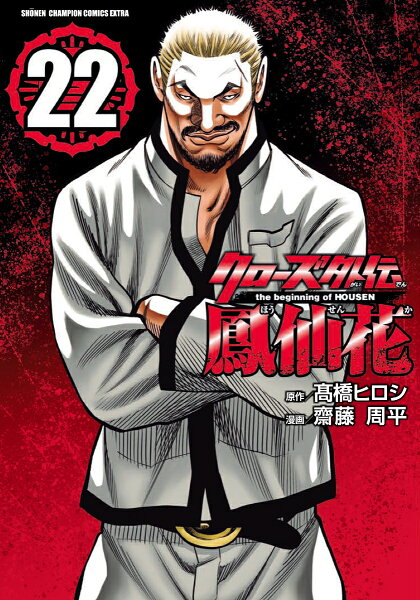
Crows
A review of Hiroshi Takahashi's Crows (クローズ) — 26 volumes in Bessatsu Shōnen Champion from 1990 to 1998. Harumichi Bouya arrives at Suzuran All-Boys High looking for a real fight and finds the most dangerous school in Japan.
Action / Drama
Worst
Worst is the direct sequel to Crows — returning to Suzuran All-Boys High School one generation later, with new students, new factions, and new battles for supremacy in the school known as the place where crows gather.
Action / Comedy
Kyo Kara Ore Wa!!
Kyo Kara Ore Wa!! follows two completely ordinary high school students who, upon transferring to a new school, independently decide to reinvent themselves as the toughest delinquents around — and discover they are both surprisingly and absurdly effective at this.
Action / Comedy
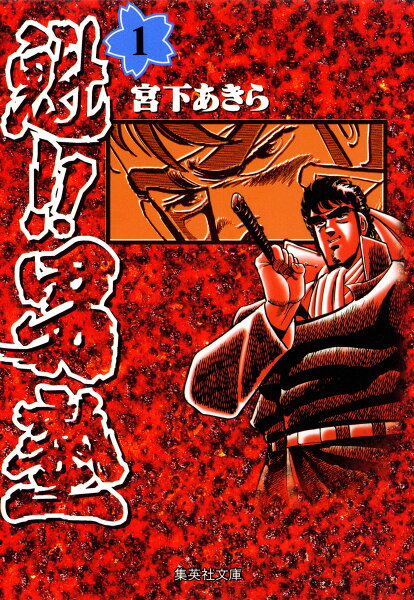
Sakigake!! Otokojuku
Otokojuku is a private school for delinquents where the curriculum consists entirely of brutal martial arts trials designed to forge men of iron will — and the manga is the story of Momotaro Tsurugi, who survives every trial while everyone else fails.
Action / Comedy
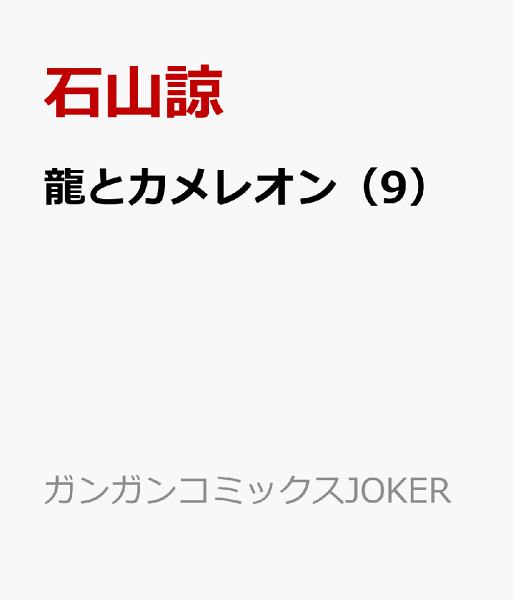
Chameleon
Chameleon follows Kazuki Edajima, an ordinary young man who wants to be a tough delinquent and keeps faking it until the situations he's created demand actual toughness — a comedy about the gap between the identity someone performs and the person they actually are.
Action / Comedy
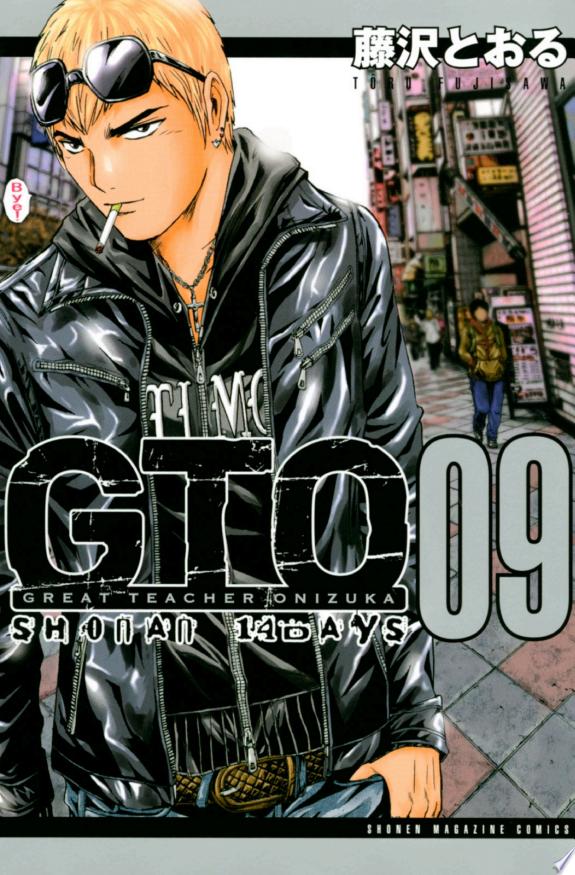
GTO: Shonan 14 Days
A review of GTO: Shonan 14 Days, the sequel to Great Teacher Onizuka where the legend returns to his hometown beach to cause chaos and change lives — as only Onizuka can.
Written by
Yu
Manga Enthusiast from Japan
I grew up in Japan and manga literally saved me during a tough time in elementary school. My English isn't perfect, but my love for manga is real — and I want to share it with you.
Disclosure: This post contains affiliate links. As an Amazon Associate, I earn from qualifying purchases at no extra cost to you.