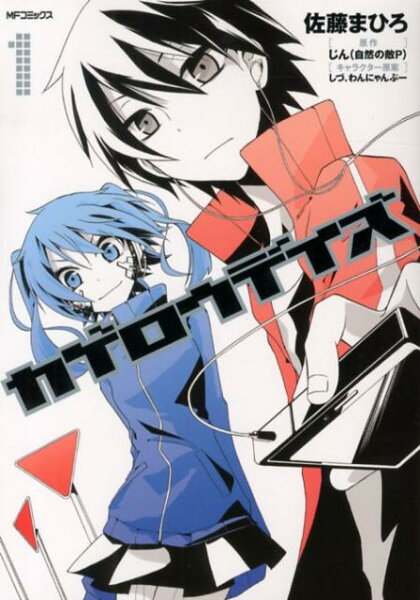
Kagerou Daze Review: What Happens When You Can't Die and Can't Live
by Mahiro Satou (art), Jin (story)
Read the first volume. If it doesn't hook you, put it down. It'll hook you.
Buy Kagerou Daze on Amazon →*Affiliate link — I earn a small commission at no extra cost to you.
What if the worst day of your life was also the only day you'd ever live — over and over again, until someone finally found a way out?
Quick Take
- A manga born from a viral Vocaloid song series, layered with mystery and tragedy
- Teens with supernatural "eye abilities" caught in a loop they don't fully understand
- Beautiful, melancholic art that captures the strange grief of being stuck in time
Who Is This Manga For?
- Fans of Jin's Kagerou Project music who want the full visual story
- Readers who loved Re:ZERO or Puella Magi Madoka Magica — that mix of cute and dark
- Anyone who enjoys ensemble casts where every character hides a secret
- People who are okay with "figure it out yourself" storytelling
Content Warnings & Age Rating
Age Rating: T (Teen) Content Warnings: Death, suicide themes, violence, psychological distress
Some scenes are disturbing. The story deals with characters who die and reset, which it never treats lightly.
Yu's Rating
| Category | Score |
|---|---|
| Story Depth | ★★★★☆ |
| Art Style | ★★★★☆ |
| Character Development | ★★★★☆ |
| Accessibility for Non-Japanese Readers | ★★★☆☆ |
| Reread Value | ★★★★★ |
Story Overview
Shintaro Kisaragi hasn't left his room in two years. He spends his days in front of a computer, talking to a virtual girl named Ene who showed up uninvited on his screen one day. That would be a weird enough setup for a story — but then August 15th arrives.
A hostage situation at a shopping mall. A group of teenagers with powers they call "eye abilities." A snake that lives in eyes, granting impossible powers: the ability to deceive, to steal memories, to be unseen, to survive death. And a day — that specific summer day — that keeps repeating.
The story weaves between different characters, each with their own traumatic past and their own relationship to the loop. Some of them know they've been here before. Some of them only find out slowly. The manga is built like a puzzle: each arc unlocks a new piece of what's really happening.
It's based on Jin's "Kagerou Project" — a series of Vocaloid songs that became a phenomenon in Japan. The songs tell the same story from different characters' perspectives, like a concept album where every track is both its own thing and part of something bigger. The manga tries to put all of that together into a single narrative.
Characters
Shintaro Kisaragi — A genius who gave up on people. He's abrasive, dismissive, and carrying something he can't face. His arc is the emotional core of the whole story.
Ene — A hyperactive digital girl living in Shintaro's computer. She's annoying in the best way — she pushes him, teases him, and clearly cares about him more than she lets on. Her own identity is a major mystery.
Mekakushi Dan — The "blindfold gang," a loose group of teenagers with eye abilities. Each member has a name and a power, but what matters is their history: why they have their powers, and what it cost them.
Shion and Marry — A mother and daughter whose story reaches back generations, to the origin of the eye abilities themselves. When you understand their tragedy, the rest of the story clicks into place.
Art Style
Mahiro Satou's art is clean and expressive, softer than the action content might suggest. There's a dreamlike quality to how she draws certain scenes — particularly the heat-haze sequences and the August 15 loops — that makes the unreality feel intentional, not sloppy.
Character designs come straight from Jin's original Vocaloid character models, so fans of the music project will recognize them immediately. The action scenes are dynamic without being overwhelming. What she does best, though, is quiet moments: a character alone with their thoughts, the way grief sits on a face, the specific emptiness of someone who has stopped expecting things to get better.
Cultural Context
The Kagerou Project was a phenomenon in the early 2010s Japanese internet. Jin released songs through Niconico Douga, and each song told part of the story from a different character's perspective. Fan artists made illustrations. Other creators made animations. The community built out the world. By the time the manga launched, there was already a massive fanbase who had spent years theorizing about the timeline.
The manga is, in a sense, the "official answer" to all that theorizing — though it doesn't always make things clearer. Japanese media often rewards patience and repeated engagement in ways that Western audiences aren't always used to. The Kagerou Project especially.
The "heat haze" (kagerou) in the title is a real Japanese atmospheric phenomenon — the shimmer you see over hot asphalt in summer. In Japanese imagery, it's associated with things that look real but aren't quite, things that vanish when you approach them.
What I Love About It
I came to Kagerou Daze through the music. I remember listening to "Kagerou Daze" for the first time — that urgent, almost panicked energy, the singer who can't stop dying and can't stop hoping — and feeling something I didn't quite have words for.
The manga gave me the images to go with that feeling.
What gets me is how the story handles the repetition. Each time August 15 loops, it's not played as cool or fun. It's played as exhausting. As heartbreaking. The characters who've been through it before carry the weight of every previous loop in how they move, how they speak. There's a line a character says near the end — something about how he's been watching his friends die for so long that he's stopped being surprised — that hit me harder than I expected.
The ensemble structure works because every character is a tragedy. Not in a manipulative way. In a way that feels honest: these are kids who were failed by circumstances, by adults, by the universe. The supernatural elements don't explain away their pain. They amplify it.
What English-Speaking Fans Say
On Reddit and Goodreads, the most common reaction is "I had to read it twice to understand it" — and that's meant as a compliment. The story demands active engagement; it doesn't hold your hand. People who came from the music project love seeing the visual representations of their favorite songs. First-timers find it confusing but compelling.
Some criticism: the ending feels rushed, and the sheer number of characters can make the early volumes hard to track. But the consensus is that if you invest in it, it pays off.
Memorable Scene ⚠️ Spoiler Warning
The chapter where Shintaro finally remembers what happened to Ayano — the real reason she jumped from the school roof, and what she was trying to protect — is the emotional center of the entire manga. It recontextualizes everything you thought you understood about his withdrawal, his depression, his refusal to connect with anyone. He didn't stop caring about people because caring hurt. He stopped caring because caring destroyed the only person who still believed in him. That scene is the reason I recommend this manga to people who can handle it.
Similar Manga
| Title | Its Approach | How Kagerou Daze Differs |
|---|---|---|
| Puella Magi Madoka Magica | Magical girls hiding dark truths | Kagerou Daze is more grounded in grief and memory than shock |
| Re:ZERO (manga) | Time loops with emotional weight | Kagerou Daze focuses on ensemble tragedy rather than one protagonist's growth |
| Angel Beats! | Dead teenagers finding peace | Kagerou Daze is more fragmented and demands more of the reader |
Reading Order / Where to Start
Start with Volume 1 and read straight through. The confusion in the early volumes is intentional — the story is designed to become clearer as more is revealed. Don't skip ahead.
If you want context first, listen to the Kagerou Project song "Kagerou Daze" by Jin. It'll tell you the emotional core of what you're getting into, even if you don't catch every detail.
Official English Translation Status
Yen Press released all 11 volumes in English. The series is complete and fully available. Digital editions are also available.
Pros & Cons
Pros
- Emotionally resonant story built on real grief
- Great ensemble cast with memorable designs
- Rewards rereading — details hit differently the second time
- Mahiro Satou's art captures the dreamy-sad tone perfectly
Cons
- Requires familiarity with the source music project to fully appreciate
- Early volumes are deliberately confusing — patience required
- Large cast can be difficult to track at first
- The ending divides fans — some find it satisfying, some find it too abrupt
- If you need clean narrative structure, this won't give it to you
Is Kagerou Daze Worth Reading?
Yes — if you're willing to sit with ambiguity. The story is layered, the characters are genuinely affecting, and the payoff for patient readers is real. It's not for everyone, but for the right reader, it's unforgettable.
Format Comparison
| Format | Pros | Cons |
|---|---|---|
| Physical | Full art quality; great for rereading | Takes shelf space |
| Digital | Easy to search back through for story connections | Screens may wash out the greytones |
| Omnibus | No omnibus available | — |
Where to Buy
Read the first volume. If it doesn't hook you, put it down. It'll hook you.
This post contains affiliate links. If you purchase through these links, I may earn a small commission at no extra cost to you. As an Amazon Associate, I earn from qualifying purchases.
*Affiliate link — I earn a small commission at no extra cost to you.
More Manga You Might Like
Action / Supernatural
Yu Yu Hakusho
A review of Yu Yu Hakusho — 19 volumes in Weekly Shonen Jump. Yusuke Urameshi dies heroically saving a child, is recruited as a Spirit Detective to investigate supernatural cases, and grows from a delinquent who doesn't care about anything into someone with people worth protecting. The series Togashi made before Hunter x Hunter. VIZ Media's English edition is complete.
Action / Supernatural
Ushio and Tora
Yu's review of Ushio and Tora — Ushio finds an ancient beast-spirit called Tora pinned under the temple floor; he releases Tora to fight other spirits threatening his town; Tora intends to eat Ushio eventually; they travel Japan fighting supernatural threats.
Action / Supernatural
Spirit Circle
Yu's review of Spirit Circle — Fuuta Okeya has the ability to see spirits; when a new classmate, Kouko Ishigami, arrives and announces she is his enemy from a past life, their conflict forces both to revisit six shared past lives and understand what connected them across time.
Action / Supernatural
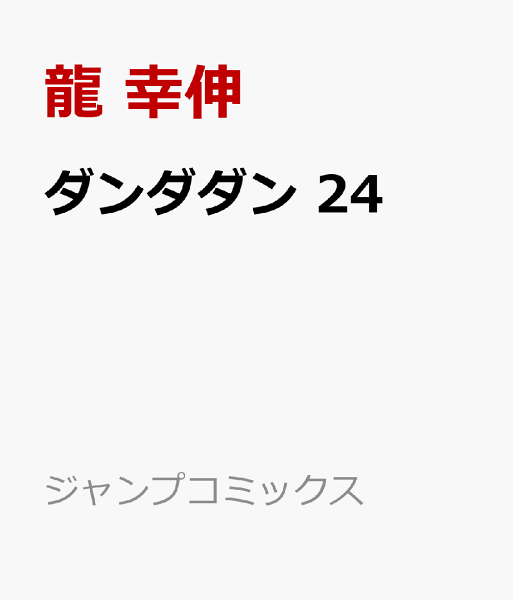
Dandadan
Yu's review of Dandadan — Momo believes in ghosts, Ken believes in aliens, and they make a deal to test each other's beliefs; both get immediately proven wrong and right simultaneously, and a bizarre supernatural romance begins.
Action / Fantasy
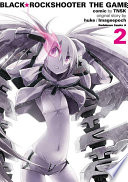
Black Rock Shooter: Innocent Soul
A review of Black Rock Shooter: Innocent Soul, Sanami Suzuki's three-volume manga set entirely in Hazama, where a girl called Rock hunts the souls of people who couldn't let go.
Action / Supernatural
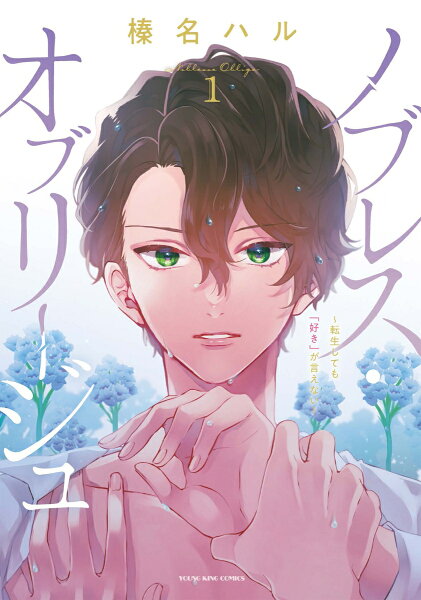
Noblesse
A review of Noblesse — 16 volumes on Naver Webtoon. Cadis Etrama Di Raizel (Rai), an ancient noble who has slept for 820 years, awakens in modern Korea, reunites with his loyal servant Frankenstein, and enrolls in high school to understand the present world while a secret organization hunts those around him. WEBTOON Unscrolled's English edition is complete.
Written by
Yu
Manga Enthusiast from Japan
I grew up in Japan and manga literally saved me during a tough time in elementary school. My English isn't perfect, but my love for manga is real — and I want to share it with you.
Disclosure: This post contains affiliate links. As an Amazon Associate, I earn from qualifying purchases at no extra cost to you.