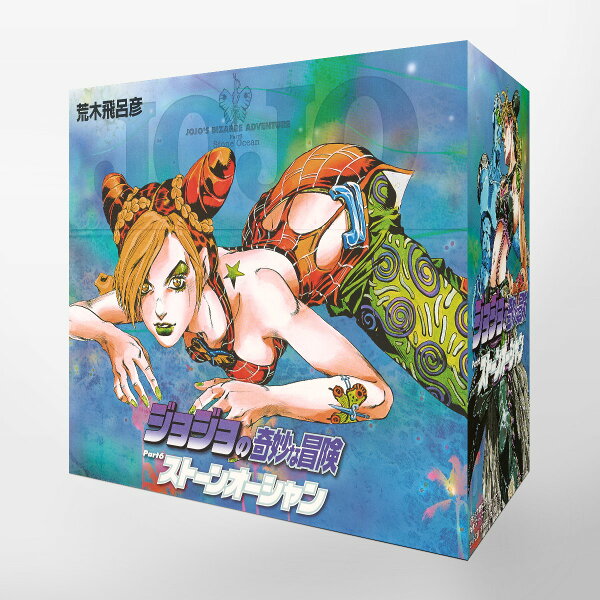
JoJo's Bizarre Adventure Review: Every Generation, Another JoJo Faces the Impossible
by Hirohiko Araki
Read the first volume. If it doesn't hook you, put it down. It'll hook you.
Buy JoJo's Bizarre Adventure on Amazon →*Affiliate link — I earn a small commission at no extra cost to you.
Quick Take
- A generational saga following the Joestar bloodline from Victorian England to modern-day and beyond, with each story arc featuring a new protagonist, new antagonist, and entirely new combat system
- One of manga's most influential and creative series — the "Stands" (psychic manifestations) introduced in Part 3 created an entire genre of creative ability design
- 130+ volumes across 8+ parts, ongoing, with Western cultural impact that goes far beyond manga readership
Who Is This Manga For?
- Readers who want creative, inventive action where cleverness beats power
- Anyone who has seen the references to JoJo in Western internet culture and wants the source
- Fans of generational storytelling with connected mythology across very different settings
- Readers willing to commit to a series that reinvents itself with each part
Content Warnings & Age Rating
Age Rating: T (Teen) Content Warnings: Fantasy violence, some horror elements (particularly Parts 1-2), creative body horror in Stand battles
Each part has different content. Parts 1-2 are darker; later parts are more fantastical.
Yu's Rating
| Category | Score |
|---|---|
| Story Depth | ★★★★★ |
| Art Style | ★★★★★ |
| Character Development | ★★★★★ |
| Accessibility for Non-Japanese Readers | ★★★★★ |
| Reread Value | ★★★★★ |
Story Overview
JoJo's Bizarre Adventure is structured as a series of self-contained parts, each following a different member of the Joestar family:
Part 1 — Phantom Blood: Jonathan Joestar, Victorian England, vampires, Hamon energy. The origin.
Part 2 — Battle Tendency: Joseph Joestar, 1930s, ancient Pillar Men, more Hamon. Comic and spectacular.
Part 3 — Stardust Crusaders: Jotaro Kujo, 1980s, the introduction of Stands — psychic manifestations with unique abilities. The most iconic arc; Jotaro vs. Dio.
Part 4 — Diamond is Unbreakable: Josuke Higashikata, 1990s small town Japan, Stand battles as community mysteries. The most charming.
Part 5 — Golden Wind: Giorno Giovanna, Italy, the mafia, the most elaborate Stand battles. Fan-favorite for the ensemble.
Part 6 — Stone Ocean: Jolyne Cujoh, the first female JoJo, prison setting, cosmic stakes.
Each part can be read as a standalone, though the mythology connects.
Characters
The Joestars — Each protagonist is specifically characterized for their part's tone and setting. Jotaro's stoic cool. Joseph's loud cleverness. Josuke's small-town warmth. Giorno's quiet ambition. Jolyne's defiant courage.
Dio Brando — The series' primary antagonist across multiple parts; his menace and theatrical villainy set the standard for manga antagonists.
The Supporting Ensembles — Each part's companion group is developed with JoJo's characteristic generosity — no one in a JoJo ensemble is just a supporting role.
Art Style
Araki's art has evolved dramatically across the series' 35+ year run — from muscular 1980s style to increasingly fashion-influenced, pose-driven work that draws on Italian Renaissance art and haute couture. The visual evolution is part of what makes reading the full series rewarding. His character designs are among the most distinctive and referenced in manga.
Cultural Context
JoJo's influence on Japanese pop culture is incalculable — the Stand concept spawned an entire genre of "named ability" action manga, the character designs influence fashion and art globally, and the meme culture surrounding specific poses and moments has penetrated Western internet culture in ways that may predate the reader's awareness of what they are referencing.
What I Love About It
The intelligence of the Stand battles. JoJo is not about who is stronger — it is about who is cleverer. Each Stand ability is a puzzle that the protagonist must solve under pressure, using the rules of the ability against itself or finding a method the opponent didn't predict. The battles are genuinely clever in a way that action manga almost never achieves.
Part 4 (Diamond is Unbreakable) is my personal favorite — Morioh is one of manga's great settings, a small town where the mundane and the supernatural coexist, and Josuke's warmth and the ensemble's community feeling make it the most human of the parts.
What English-Speaking Fans Say
JoJo has one of the largest and most devoted Western fanbases in manga. The reference density in Western internet culture — the poses, the "to be continued" meme, "it was me, Dio," the Pillar Men — predates many Western readers' actual knowledge of the source. The David Production anime (all parts now adapted) has generated significant new readership. VIZ Media's ongoing publication is well-received.
Memorable Scene ⚠️ Spoiler Warning
The conclusion of the Jotaro/Dio confrontation at the end of Part 3 — TIME STOP, and the sequence that follows — is the most iconic moment in JoJo's history. "ZA WARUDO" is now global culture. The moment earns its reputation.
Similar Manga
- Hunter x Hunter — Creative ability system, similar intelligence emphasis
- Fullmetal Alchemist — Rule-based power system, ensemble cast
- Demon Slayer — Generational hero arc, similar stakes
- Fist of the North Star — 1980s action manga, similar genre
Reading Order / Where to Start
Part 1 is the most dated — Parts 3 or 4 are often recommended as starting points for modern readers, with retrospective reading afterward. If you want to read in order, Part 2 is where the series finds its voice.
Official English Translation Status
VIZ Media is publishing the ongoing series. Parts 1-8 are available or in publication; the exact current status varies by part.
Pros & Cons
Pros
- Each part is genuinely different — the series reinvents itself reliably
- The Stand system generates more creative battles than any other manga
- Araki's art is distinctive and evolves fascinatingly
- Cultural significance that transcends manga readership
Cons
- 130+ volumes is an extraordinary commitment
- Part 1 is dated — some readers bounce off the starting point
- The translation is significantly behind the Japanese release
Format Comparison
| Format | Notes |
|---|---|
| Individual Volumes | VIZ's ongoing translation by part |
| Digital | Works well given the length |
| Physical | Recommended for the art — the color pages in particular |
Where to Buy
Read the first volume. If it doesn't hook you, put it down. It'll hook you.
This post contains affiliate links. If you purchase through these links, I may earn a small commission at no extra cost to you. As an Amazon Associate, I earn from qualifying purchases.
*Affiliate link — I earn a small commission at no extra cost to you.
More Manga You Might Like
Action / Adventure
One Piece
Yu's review of One Piece — the manga that has been running for over 25 years and still feels alive. About freedom, friendship, and one ridiculous boy who refuses to be defined by anyone else's rules.
Action / Adventure
Hunter x Hunter
Yu's review of Hunter x Hunter — 37 volumes of the most intelligent action manga ever written, from the creator of Yu Yu Hakusho. A series that keeps reinventing itself and never stops being the best thing it possibly can be, when it's being published.
Action / Fantasy
Orient
Yu's review of Orient — in an alternate Japan where demons called Kishin have ruled for 150 years, the samurai who once fought them have been erased from history and remembered as criminals; Musashi and his best friend Kojiro dream of reviving the samurai band, believing the erased history contains the truth about what humans can be.
Action / Fantasy
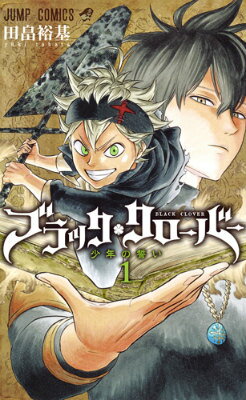
Black Clover
Yu's review of Black Clover — in a world where everyone is born with magic, Asta has none. He screams, he trains, he picks up two anti-magic swords, and he refuses to stop running toward the throne.
Action / Drama
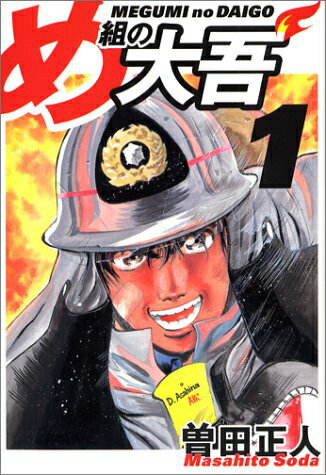
Daigo of Fire Company M
Daigo of Fire Company M follows Daigo Asahina, an extraordinary new firefighter who joins Company M — and the question of what drives a young man of exceptional ability to choose the most dangerous possible job.
Action / Comedy
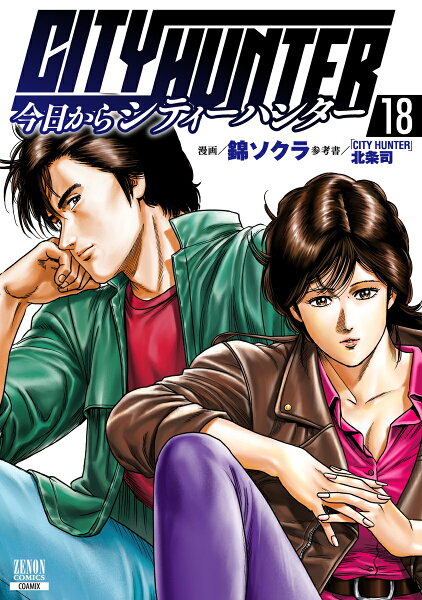
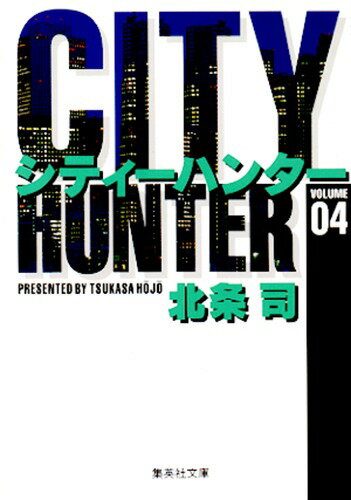
City Hunter
A sweeper for hire in Shinjuku cleans up the city's worst criminals while hiding a heart softer than anyone suspects — City Hunter is the definitive action-romance manga.
Written by
Yu
Manga Enthusiast from Japan
I grew up in Japan and manga literally saved me during a tough time in elementary school. My English isn't perfect, but my love for manga is real — and I want to share it with you.
Disclosure: This post contains affiliate links. As an Amazon Associate, I earn from qualifying purchases at no extra cost to you.