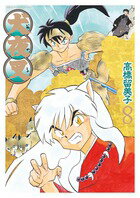
InuYasha Review: A Half-Demon, a Time-Traveling Girl, and a Shattered Jewel
by Rumiko Takahashi
Read the first volume. If it doesn't hook you, put it down. It'll hook you.
Buy InuYasha on Amazon →*Affiliate link — I earn a small commission at no extra cost to you.
Quick Take
- A high school girl from modern Japan falls through a bone eater's well into the Sengoku period and teams up with a half-demon to collect shards of a magical jewel
- Rumiko Takahashi's longest and most ambitious manga — action, romance, and feudal Japan in equal measure
- 56 volumes, complete, from one of manga's greatest authors
Who Is This Manga For?
- Readers who want romance embedded in action fantasy
- Fans of historical Japan settings with supernatural elements
- Anyone who watched the anime as a child and wants to read the source
- Readers who want a complete long-form story from a master of the craft
Content Warnings & Age Rating
Age Rating: T (Teen) Content Warnings: Fantasy violence (demon fights), themes of loss and death, romantic triangle tension
Broadly accessible. One of the more family-friendly long action manga.
Yu's Rating
| Category | Score |
|---|---|
| Story Depth | ★★★★☆ |
| Art Style | ★★★★☆ |
| Character Development | ★★★★☆ |
| Accessibility for Non-Japanese Readers | ★★★★★ |
| Reread Value | ★★★★☆ |
Story Overview
Kagome Higurashi lives at a shrine. In the shrine's well house lives a bone eater's well. When a centipede demon pulls her in, she falls out into feudal Japan — the Sengoku period, 500 years earlier.
There she meets InuYasha, a half-demon (half human, half dog demon) who has been pinned to a tree for fifty years by an arrow from the priestess Kikyo. When they accidentally shatter the Shikon Jewel — a magical gem of great power — into hundreds of shards scattered across Japan, they must work together to collect them before the villain Naraku does.
InuYasha is the story of this collection quest, the growing relationship between Kagome and InuYasha, the complicated history between InuYasha and the dead priestess Kikyo (whose soul Kagome carries), and the eventual confrontation with Naraku.
Characters
Kagome Higurashi — A modern girl with archery ability and the power to sense jewel shards. Her practical, direct personality contrasts with the period's gender expectations.
InuYasha — Half-demon, defensive about both halves, carrying loyalty to the dead Kikyo alongside growing feelings for Kagome. His "sit!" command (and what happens when Kagome says it) is the manga's most famous running gag.
Miroku — A monk with a wind tunnel in his hand (a curse that will eventually kill him) who hits on every woman he meets. His honesty about his flaws is charming.
Sango — A demon slayer whose village was destroyed; her giant boomerang and her demon-cat Kirara are iconic. Her relationship with Miroku is one of the manga's best.
Naraku — The villain; a half-demon made from a bandit who bargained with demons. His long-game scheming across the manga makes him an effective antagonist.
Art Style
Takahashi's art is clean and expressive — her characters have specific, memorable designs and her action sequences are dynamic without being cluttered. Her ability to render both modern Japan and Sengoku period settings with equal comfort is characteristic of her range. The demon designs are creative and varied.
Cultural Context
The Sengoku period (Era of Warring States) is one of the most romanticized periods in Japanese history, familiar to readers through countless manga, games, and films. Takahashi uses the period authentically while freely incorporating yokai and demon folklore. The jewel quest structure draws on traditional Japanese ideas about spiritual power and its misuse.
What I Love About It
Sango and Miroku. Their dynamic — her competence and grief, his questionable behavior and genuine heroism — is the most interesting relationship in the manga. The moment when he finally proposes to her, correctly, is one of the most earned romantic payoffs in a manga full of romantic payoffs.
I also love Takahashi's pacing — she has been doing this since Urusei Yatsura and Ranma ½, and her rhythm of action and comedy and emotion is nearly perfect.
What English-Speaking Fans Say
InuYasha is one of the most beloved manga of the late 1990s-2000s in Western fandom, with enormous nostalgia value from the anime adaptation. Western readers who return to the manga after the anime often find it more complete — the manga's ending is fully resolved in ways the original anime was not. The romantic triangle (Kagome/InuYasha/Kikyo) remains one of the most discussed in shojo-adjacent manga.
Memorable Scene ⚠️ Spoiler Warning
The resolution of the Kikyo question — the thing InuYasha owes her, what she actually wants, and what he can give — is handled with more grace than the length of the storyline might suggest. Takahashi does not take the easy path. She never does.
Similar Manga
- Dororo — Historical Japan, supernatural; darker tone
- Ranma ½ (same author) — Lighter, comedy-forward, similar romantic chaos
- Yona of the Dawn — Historical fantasy with stronger female lead
- Demon Slayer — Historical Japan, demon hunting; more action-focused
Reading Order / Where to Start
Volume 1. The VIZ Big editions (collecting three volumes per book) are the recommended format.
Official English Translation Status
VIZ Media published the complete 56-volume series. VIZ Big omnibus editions are available and recommended.
Pros & Cons
Pros
- Rumiko Takahashi's craft across 56 volumes
- The ensemble is rich and all four main characters are memorable
- Complete story with a genuinely satisfying ending
- Action, romance, comedy, and genuine emotion in equal measure
Cons
- 56 volumes is a significant commitment
- The jewel shard collection structure becomes repetitive in the middle
- Naraku's scheming is sometimes frustratingly indirect
Format Comparison
| Format | Notes |
|---|---|
| VIZ Big (3-in-1) | Recommended — better value than individual volumes |
| Individual Volumes | Available but VIZ Big is better |
| Digital | Excellent for this series given the length |
Where to Buy
Read the first volume. If it doesn't hook you, put it down. It'll hook you.
This post contains affiliate links. If you purchase through these links, I may earn a small commission at no extra cost to you. As an Amazon Associate, I earn from qualifying purchases.
*Affiliate link — I earn a small commission at no extra cost to you.
More Manga You Might Like
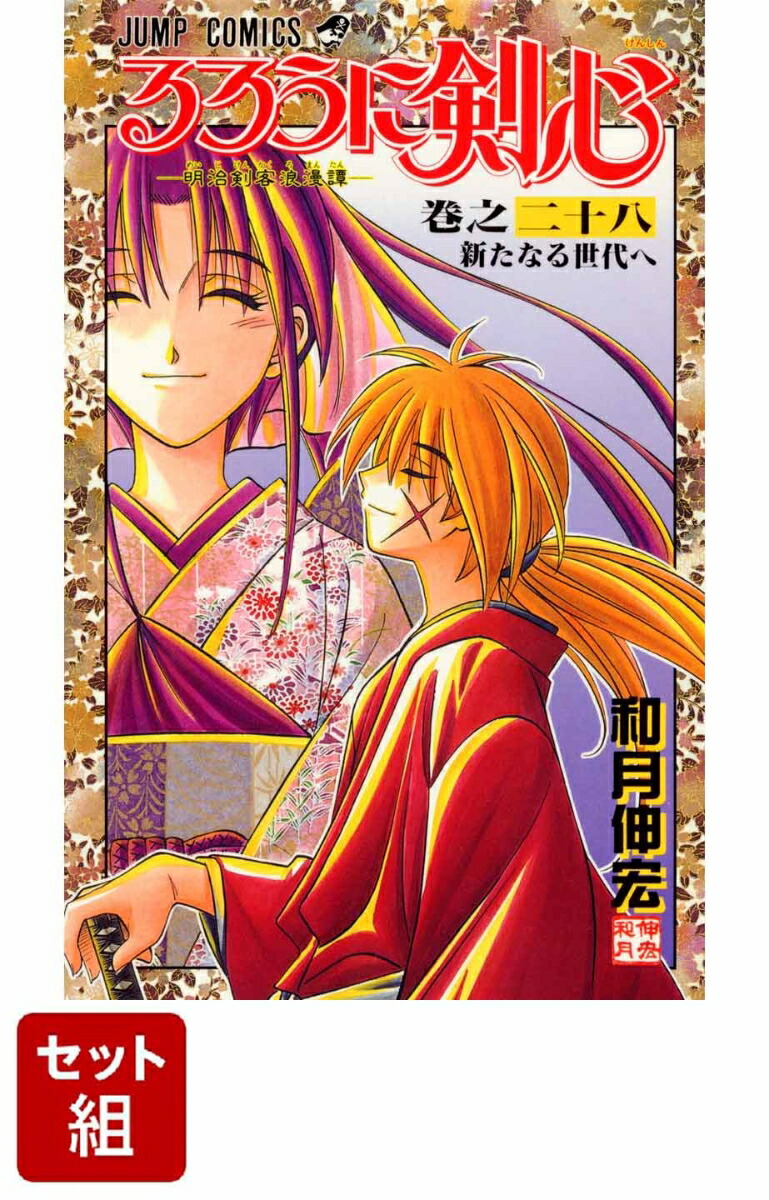
Action / Historical
Rurouni Kenshin
A review of Rurouni Kenshin — 28 volumes in Weekly Shonen Jump. Himura Kenshin was Japan's most feared assassin of the Bakumatsu; he now wanders with a reverse-blade sword, trying to protect without killing. The Kyoto Arc is one of the greatest extended arcs in manga, and Shishio is the genre's finest villain. VIZ Media's English edition is complete.
Action / Romance
Sailor Moon
Yu's review of Sailor Moon — a clumsy, crybaby middle schooler is revealed to be the legendary Sailor Moon, guardian warrior of love and justice, and eventually the reincarnated princess of the Moon Kingdom.
Action / Historical
Lone Wolf and Cub
Yu's review of Lone Wolf and Cub — Ogami Ittō was the Shogunate's official executioner; framed for treason by the Yagyū clan, stripped of his position, his wife murdered; he chose the Meifumadō — the road to hell — placing his infant son Daigorō before a ball and a sword, and the child chose the sword; they travel as assassins for hire, seeking vengeance.
Action / Historical
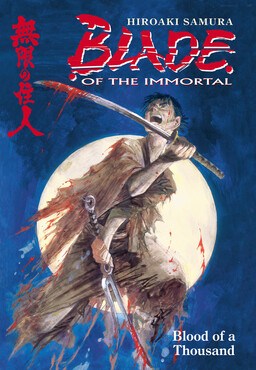
Blade of the Immortal
Yu's review of Blade of the Immortal — Manji is a ronin cursed with immortality by sacred bloodworms; to end the curse he must kill a thousand evil men, and he agrees to protect Rin Asano, a girl whose family was destroyed by the Itto-ryu sword school led by Anotsu Kagehisa. Hiroaki Samura's nineteen-year masterpiece, complete in 31 volumes from Dark Horse.
Action / Fantasy
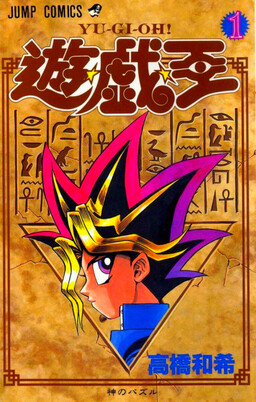
Yu-Gi-Oh!
Yu's review of Yu-Gi-Oh! — Yugi Mutou solves the Millennium Puzzle and his body becomes shared with a spirit of unknown origin; the early series follows the spirit's use of 'shadow games' to punish bullies and cheaters, eventually evolving into the card game tournament arc that the franchise became known for.
Fantasy / Comedy
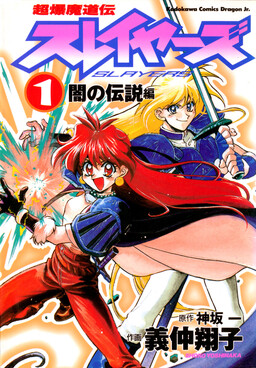
Slayers
Yu's review of Slayers — Lina Inverse is a sorceress who is feared across the countryside for her combination of extreme magical power and extreme appetite; she travels with Gourry Gabriev, a swordsman of great physical ability and famously limited intellect, and leaves a trail of destroyed bandits and damaged architecture wherever she goes.
Written by
Yu
Manga Enthusiast from Japan
I grew up in Japan and manga literally saved me during a tough time in elementary school. My English isn't perfect, but my love for manga is real — and I want to share it with you.
Disclosure: This post contains affiliate links. As an Amazon Associate, I earn from qualifying purchases at no extra cost to you.