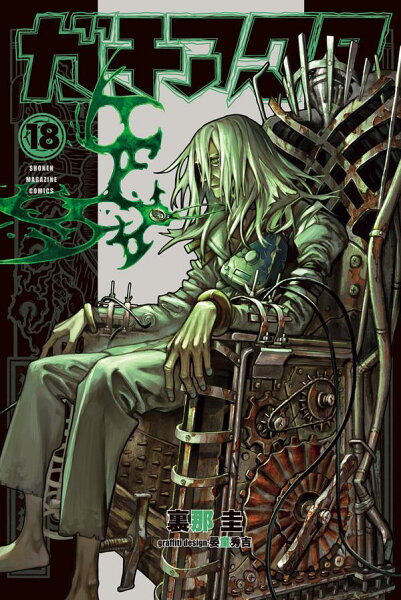
Gachiakuta Review: Trash Becomes Power in This Raw, Beautiful Shonen
by Keito Shinasaka
Read the first volume. If it doesn't hook you, put it down. It'll hook you.
Buy Gachiakuta on Amazon →*Affiliate link — I earn a small commission at no extra cost to you.
Quick Take
- One of the most visually distinctive shonen manga of recent years — the trash aesthetic is genuinely inventive.
- A powerful metaphor for class and worthlessness runs beneath the action.
- The protagonist's power system (weaponizing garbage) is unlike anything else in the genre.
Who Is This Manga For?
- Fans of action manga fans who want something visually unique alongside the battles
- Readers who enjoy dystopian settings with clear social allegory rather than just backdrop
- Anyone interested in dark gritty shonen like Chainsaw Man or Dorohedoro
- People who like underdog-from-nothing protagonist stories with genuine rage at injustice
Content Warnings & Age Rating
Age Rating: T (Teen) Content Warnings: violence, themes of social inequality
Safe for most readers.
Yu's Rating
| Category | Score |
|---|---|
| Story Depth | ★★★★☆ |
| Art Style | ★★★★☆ |
| Character Development | ★★★★★ |
| Accessibility for Non-Japanese Readers | ★★★★☆ |
| Reread Value | ★★★★☆ |
Overall: 4/5 — Visually extraordinary shonen with real social commentary — one to watch.
Story Overview
Rudo lives on a floating city where elites discard everything they don't want — objects, people, anything deemed worthless — down into the Underneath, a realm of garbage and monsters. Accused of a crime he didn't commit, Rudo becomes one of the discarded. In the Underneath, he discovers he can weaponize discarded things around him. Trash becomes his armor, his tools, his identity — and the things society threw away turn out to have power the society above never imagined.
Characters
The cast of Gachiakuta is built around contrasting personalities that force each other to grow. The main character carries a mix of strength and vulnerability — enough to earn sympathy without feeling passive. Supporting characters each serve a distinct emotional function: some mirror the protagonist's flaws, others challenge their assumptions, and a few provide the warmth that makes the harder moments bearable.
Art Style
Keito Shinasaka's visual style suits the story it tells. Emotional moments land because facial expressions are drawn with real attention to subtlety — you rarely need dialogue to understand what a character is feeling. Background detail varies by scene, pulling back in quiet moments and getting tight and detailed when the stakes rise.
Cultural Context
Gachiakuta comes from Japan's elaborate waste-sorting rituals and the concept of mono no aware — the pathos of things — making a story about discarded objects having hidden power resonate culturally. English readers will find most of this translates naturally; a few cultural notes in good translations help bridge any remaining gaps.
What I Love About It
The first time Rudo's power is shown in full — the way ordinary discarded junk becomes something magnificent in his hands — I felt something shift. Not just excitement at a cool power reveal, but something like recognition. The idea that what gets thrown away still matters, still has value, still has use — that hit something real for me. The manga is angry in a way that shonen usually smooths over. Rudo doesn't make peace with the system that discarded him. He dismantles it from below.
What English-Speaking Fans Say
Western readers who find this series often describe it as something they wish they'd found sooner. The emotional beats translate well; the universal themes of connection, loss, and growth resonate regardless of cultural background. Fans of similar series consistently recommend it as a must-read for genre newcomers and veterans alike.
Memorable Scene ⚠️ Spoiler Warning
There is a moment — usually in the middle or final act — where the story does something unexpected with a character you thought you understood. The setup is careful and patient. The payoff is sudden and complete. Readers report rereading earlier chapters afterward, finding all the foreshadowing they missed the first time.
Similar Manga
If you enjoyed Gachiakuta, try:
- Dorohedoro — grimy, creative, socially aware dark fantasy
- Chainsaw Man — dark shonen with distinctive visual identity and social edge
- Made in Abyss — beautiful settings concealing horrifying truths
Reading Order / Where to Start
Start from volume 1. This series builds its world and characters carefully from the first chapter — jumping in anywhere else means losing the context that makes later moments land. Volume 1 is a very strong opening; if you're not hooked by the end of it, this series may not be for you.
Official English Translation Status
Gachiakuta is ongoing in English translation. New volumes are releasing regularly.
Pros & Cons
Pros:
- Ongoing with regular releases
- Strong character work and genuine emotional investment
- The social commentary is substantive — not just decoration for the action
Cons:
- Ongoing — no conclusion yet
- The dark tone and premise may not appeal to all shonen readers
Format Comparison
| Format | Pros | Cons |
|---|---|---|
| Physical | Best art reproduction | May require ordering online |
| Digital | Instant access, cheaper | Less collector value |
| Used | Very affordable | Condition and availability vary |
Where to Buy
Read the first volume. If it doesn't hook you, put it down. It'll hook you.
This post contains affiliate links. If you purchase through these links, I may earn a small commission at no extra cost to you. As an Amazon Associate, I earn from qualifying purchases.
*Affiliate link — I earn a small commission at no extra cost to you.
More Manga You Might Like
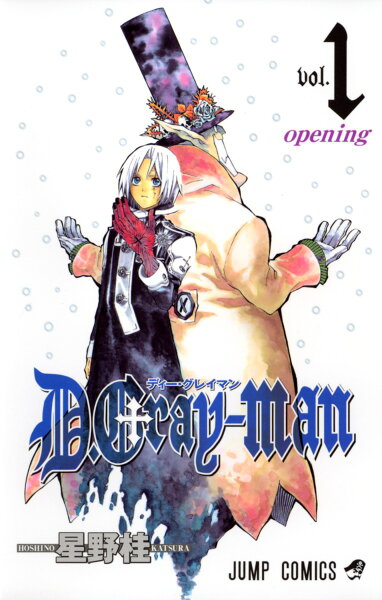
Action / Dark Fantasy
D.Gray-man
Yu's review of D.Gray-man — a young exorcist with a cursed arm fights parasitic demons called Akuma in a 19th-century world, working for a secret church organization against the Millennium Earl who creates the Akuma from human grief.
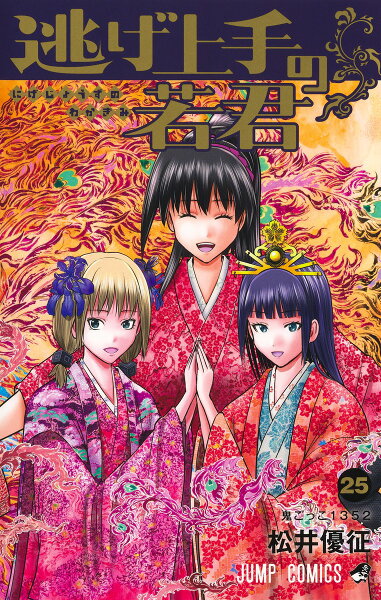
Action / Historical
The Elusive Samurai
A review of The Elusive Samurai by Yusei Matsui, following a young noble who survives the fall of the Kamakura shogunate through unmatched evasion skills.
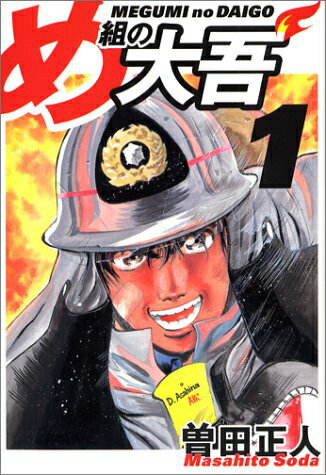
Action / Drama
Daigo of Fire Company M
Daigo of Fire Company M follows Daigo Asahina, an extraordinary new firefighter who joins Company M — and the question of what drives a young man of exceptional ability to choose the most dangerous possible job.
Action / Comedy
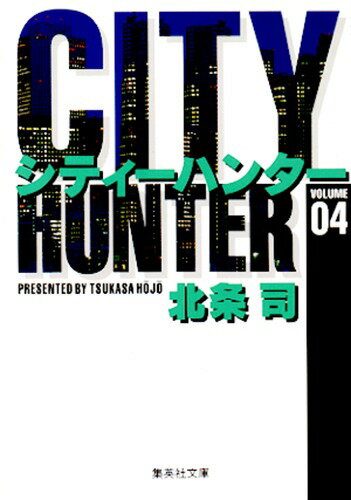
City Hunter
A sweeper for hire in Shinjuku cleans up the city's worst criminals while hiding a heart softer than anyone suspects — City Hunter is the definitive action-romance manga.
Action / Dark Fantasy
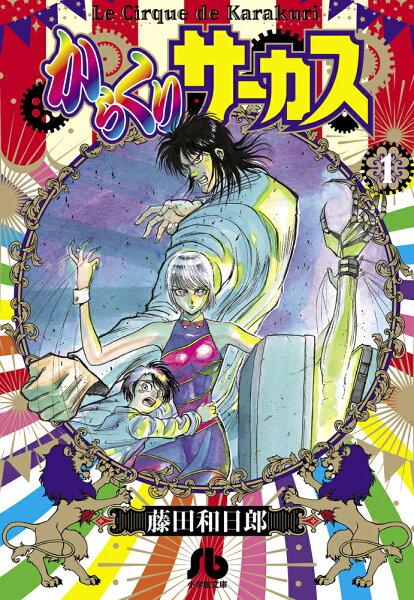
Karakuri Circus
A young boy chased by assassins. A young woman who fights with a marionette. An ancient secret about puppets that hunt humans. Karakuri Circus is Kazuhiro Fujita's masterpiece — relentless, emotional, and unlike anything else.
Action / Adventure
Zatch Bell!
A review of Zatch Bell! — 33 volumes in Weekly Shonen Sunday. Genius middle schooler Kiyo Takamine partners with demon child Zatch Bell in a battle royale of 100 demon/human pairs competing to become King of the Mamodo World; Zatch wants to be a kind king. The manga that made an entire generation cry about a book burning. VIZ Media's English edition is complete.
Written by
Yu
Manga Enthusiast from Japan
I grew up in Japan and manga literally saved me during a tough time in elementary school. My English isn't perfect, but my love for manga is real — and I want to share it with you.
Disclosure: This post contains affiliate links. As an Amazon Associate, I earn from qualifying purchases at no extra cost to you.