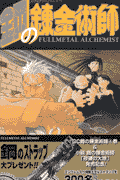
Fullmetal Alchemist Review: The Most Perfect Manga Ever Made
by Hiromu Arakawa
Read the first volume. If it doesn't hook you, put it down. It'll hook you.
Buy Fullmetal Alchemist on Amazon →*Affiliate link — I earn a small commission at no extra cost to you.
Edward and Alphonse Elric are prodigies. When their mother dies, they use alchemy to try to bring her back. The attempt fails catastrophically. Edward loses his right arm and left leg. Alphonse loses his entire body — Ed anchors his soul to a suit of armor with his remaining arm.
I'm Yu. I have read Fullmetal Alchemist four times. Each time I find something I missed.
Quick Take
- Hiromu Arakawa's Fullmetal Alchemist (鋼の錬金術師) ran in Monthly Shonen Gangan — 27 volumes, complete.
- VIZ Media published the complete 27-volume English edition.
- Rated T (Teen) — war violence; body horror in early chapters; the story takes the cost of war seriously throughout.
Story Overview
Edward becomes a State Alchemist — a military alchemist — to gain access to research on the Philosopher's Stone, a legendary artifact said to bypass the laws of equivalent exchange. Al travels with him in his massive armored body.
But the deeper they dig, the more they realize: the Philosopher's Stone's power comes from somewhere. And what it costs might be worse than what they're trying to fix.
Fullmetal Alchemist builds a complete world — the Ishvalan genocide in the backstory, the military structure Ed navigates, the Homunculi and what they represent — and resolves every part of it. 27 volumes with zero wasted chapters.
Characters
Edward Elric — Brilliant, arrogant, loyal, driven by guilt he won't admit to. His alchemy uses his own body as the transmutation circle, meaning every fight costs him physically. His growth from a reckless teenager to someone who understands what strength really requires is extraordinary.
Alphonse Elric — In many ways the moral center of the story. Al, living in a hollow suit of armor, remains gentle and kind. His questions about what makes him human — whether he deserves to exist — are among the most affecting in the series.
Roy Mustang — The Flame Alchemist. A military officer with political ambitions and a hidden moral code. His arc is one of the best supporting character stories in manga — including a scene of grief that still makes me stop breathing.
Riza Hawkeye — Mustang's second-in-command. Steady, lethal, quietly devastating when the story finally shows you what she has been carrying.
The Homunculi — Villains each named for a deadly sin, each representing a specific distortion of human nature taken to its extreme. Rather than being generically evil, each has a coherent interior life.
What I Love About It
The relationship between the brothers. Ed never stops blaming himself for what happened to Al. Al never stops being grateful for what Ed did to save him. They fight about it sometimes. They never stop being brothers.
There is a moment late in the series where Ed makes a choice that is the logical conclusion of everything the story has been building to. It is completely consistent with who he is, and it costs him enormously.
I closed the book and sat quietly for a while. That is what great manga does. It earns its endings.
Memorable Scene ⚠️ Spoiler Warning
Maes Hughes' funeral.
Hughes is comic relief for much of his time in the series — cheerful, obnoxiously devoted to his wife and daughter. When he is killed, and the reader sees his young daughter standing at his grave asking the adults why they're burying her father, the contrast with all the warmth that came before is devastating.
Roy Mustang doesn't cry. He says it's raining. It's not raining.
Pros & Cons
Pros:
- 27 volumes with zero filler — the most tightly plotted manga ever written.
- Every character, including the villains, is three-dimensional.
- Genuinely funny and genuinely devastating — the emotional range is extraordinary.
- Complete and widely available in multiple English editions.
Cons:
- Early art is slightly rougher (perfectly readable but noticeably less polished).
- Methodical pacing — readers wanting constant action may find early volumes slower.
- Some minor characters in the large cast get less development than they deserve.
Is Fullmetal Alchemist Worth Reading?
Yes — unequivocally. It is the first manga I recommend to readers asking where to start. The story is complete, perfectly paced, and emotionally satisfying. It respects your intelligence at every volume.
Who Is This Manga For?
- Anyone who wants a complete, perfectly structured story.
- Readers moved by stories about siblings and sacrifice.
- Anyone who wants a manga where every character — including villains — has a coherent interior life.
- Readers new to manga who want the single best starting point.
Official English Translation Status
VIZ Media published the complete 27-volume English edition, including a premium hardcover "Fullmetal Edition" with updated translation and color pages. All formats available.
Where to Buy
VIZ Media's complete English edition — individual volumes, omnibus, or the Fullmetal Edition hardcovers.
Browse Fullmetal Alchemist on Amazon →
This post contains affiliate links. If you purchase through these links, I may earn a small commission at no extra cost to you. As an Amazon Associate, I earn from qualifying purchases.
*Affiliate link — I earn a small commission at no extra cost to you.
More Manga You Might Like
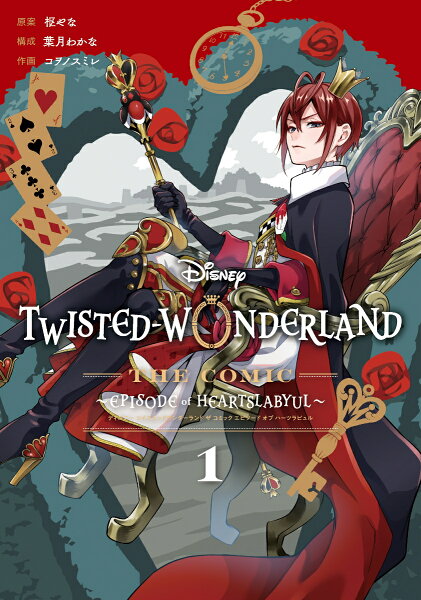
Action / Fantasy
Soul Eater
Yu's review of Soul Eater — a manga set in a school where students are weapon-wielders, and the weapons are people. Gothic, funny, and visually unlike anything else in manga. One of the best completed action series of its era.
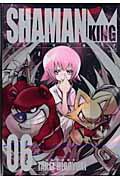
Action / Fantasy
Shaman King
Yu's review of Shaman King — a laid-back shaman who communes with spirits enters the Shaman Fight, a tournament held every 500 years to determine who becomes the Shaman King and reshapes the world.
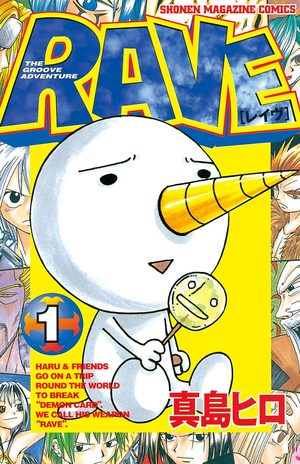
Action / Adventure
Rave Master (Groove Adventure Rave)
Yu's review of Rave Master — Haru Glory discovers he is the second Rave Master, holder of the legendary Holy Bring sword; with his companions, he travels the world collecting the five Rave stones and destroying the Dark Bring before they can be used to end the world.
Action / Fantasy
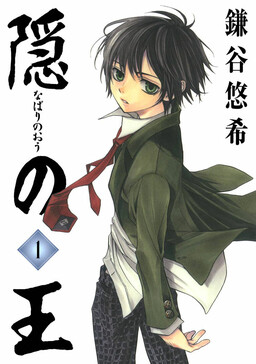
Nabari no Ou
Yu's review of Nabari no Ou — apathetic middle schooler Rokujou Miharu hosts within him the Shinrabanshou — the ultimate power of the ninja world — that every faction of the hidden world wants to control; Rokujou doesn't care about any of this, which makes him the most dangerous person in every room.
Action / Fantasy
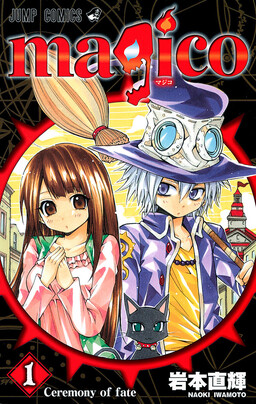
Magico
Yu's review of Magico — Shion is one of the most powerful mages in the world; Emma carries a cursed power called Echidna inside her that will eventually destroy everything; the only way to suppress it is to complete the Magico ritual, which requires the two to act as husband and wife while performing increasingly elaborate magical ceremonies.
Action / Fantasy
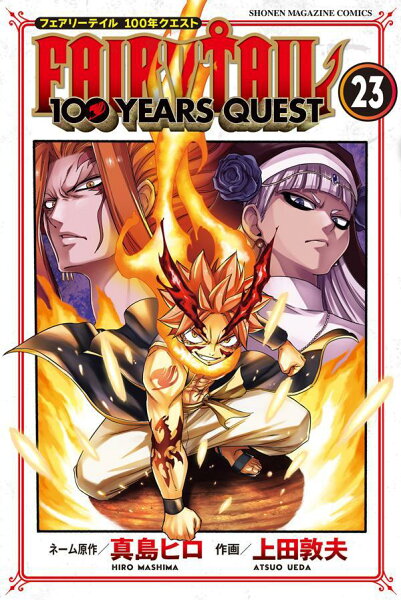
Fairy Tail
Yu's review of Fairy Tail — a celestial spirit mage joins the most destructive (and most tight-knit) guild in the kingdom, and together they save the world repeatedly through the power of friendship and overwhelming magic.
Written by
Yu
Manga Enthusiast from Japan
I grew up in Japan and manga literally saved me during a tough time in elementary school. My English isn't perfect, but my love for manga is real — and I want to share it with you.
Disclosure: This post contains affiliate links. As an Amazon Associate, I earn from qualifying purchases at no extra cost to you.