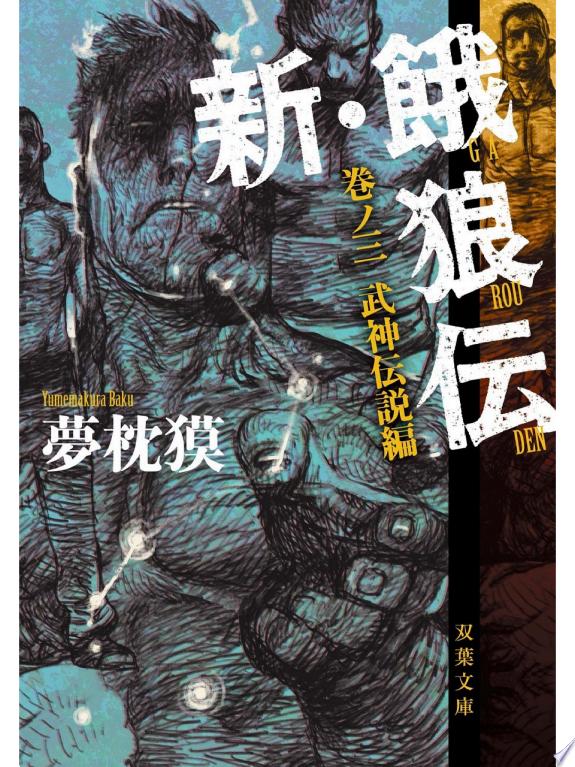
Fatal Fury Review: The Manga Adaptation That Punched Past the Game It Came From
by Tatsuya Hatanaka
Read the first volume. If it doesn't hook you, put it down. It'll hook you.
Buy Fatal Fury on Amazon →*Affiliate link — I earn a small commission at no extra cost to you.
The game asked you to win a tournament. The manga had to figure out who Terry Bogard actually was.
Quick Take
- Tatsuya Hatanaka's manga adaptation of SNK's Fatal Fury (Garou Densetsu) — Terry, Andy, and Joe at the King of Fighters tournament
- Compact 5-volume adaptation that did the genre's standard adaptation work
- A document of the early-1990s fighting-game manga boom alongside Street Fighter and similar adaptations
Who Is This Manga For?
- Fatal Fury game fans who want to see the cast in manga form
- Fighting-game adaptation collectors who want the early-90s tournament-game manga
- SNK enthusiasts who want the manga companion to the games
- Anyone curious about how fighting games translated into manga before they had narrative substance
Content Warnings & Age Rating
Age Rating: T (Teen) Content Warnings: Fighting tournament violence, occasional dramatic intensity.
Suitable for most readers.
Yu's Rating
| Category | Score |
|---|---|
| Story Depth | ★★★☆☆ |
| Art Style | ★★★☆☆ |
| Character Development | ★★★☆☆ |
| Accessibility for Non-Japanese Readers | ★★★★☆ |
| Reread Value | ★★☆☆☆ |
Story Overview
Terry Bogard is the protagonist who has come to South Town to enter Geese Howard's King of Fighters tournament. His brother Andy fights alongside him, as does the kickboxer Joe Higashi. The trio navigate the tournament's brackets, encounter the cast of opponents the game introduced, and progress toward the inevitable confrontation with Geese.
The manga's structure tracks the game's basic narrative — tournament entry, opponent fights, final boss — without trying to expand significantly beyond it. The 5-volume length is appropriate to the source material's narrative weight; longer would have required substantial original content that the source didn't really sustain.
The adaptation does what fighting-game adaptations of this era did: it gave the game's iconic moves and characters visual life beyond pixelated sprites. Terry's Burn Knuckle, Andy's Zaneiken, Joe's Hurricane Upper — readers who knew the game saw the moves in motion in a way the early hardware couldn't deliver.
Characters
Terry Bogard: The protagonist — game-faithful, bringing the cap-and-jacket charm the franchise gave him.
Andy Bogard, Joe Higashi: The trio's other members, each given their game-faithful characterization.
Geese Howard: The villain whose looming presence defines the tournament's stakes.
Art Style
Hatanaka's art has the workmanlike quality of game adaptation manga from the era — characters recognizable from their game incarnations, fighting moves visualized with appropriate dynamism, the visual register matching shonen action conventions.
Cultural Context
Fatal Fury manga appeared during the early-1990s fighting-game boom that SNK and Capcom were driving simultaneously. The manga adaptations of this era served the function of giving game characters narrative life beyond the games' limited cutscenes — Street Fighter, Samurai Shodown, King of Fighters, and Fatal Fury all received manga treatment.
The Garou Densetsu franchise has continued through games and various spinoffs, with the manga representing one of several adaptations across media.
What I Love About It
I love the era it represents.
This kind of game-adaptation manga had its specific cultural moment — the early-1990s when fighting games were exploding commercially, when their character casts deserved development beyond what cartridge limitations allowed, when a manga adaptation was the natural medium for that development. Reading these adaptations now is reading the era's particular relationship between games and manga, and that historical interest is part of what makes them worth engaging.
What English-Speaking Fans Say
Limited international audience without translation. Among Fatal Fury game fans, regarded as a competent adaptation rather than an essential standalone work.
Memorable Scene ⚠️ Spoiler Warning
The Burn Knuckle visualization at a climactic moment — the manga version of Terry's signature move, given the cinematic treatment the games' technology of the time couldn't provide. The scene is the kind of moment that justifies game-to-manga adaptation.
Similar Manga
| Title | Its Approach | How Fatal Fury Differs |
|---|---|---|
| Street Fighter manga | Capcom's parallel adaptation | Same era and approach, different game franchise |
| Samurai Shodown manga | SNK's other adaptation | Same publisher's approach to a sister franchise |
| King of Fighters manga | SNK's tournament-crossover game manga | Fatal Fury came earlier and more focused |
Reading Order / Where to Start
Volume 1. The 5 volumes are a complete arc.
Official English Translation Status
Fatal Fury manga has no official English translation.
Pros & Cons
Pros
- Game-faithful adaptation that game fans appreciate
- Compact at 5 volumes
- Captures an era of game-manga relationships worth preserving
- Iconic moves get visual treatment
Cons
- No English translation
- Limited narrative ambition beyond the source
- Standalone value lower than the game franchise's
- Will primarily appeal to existing Fatal Fury fans
Is Fatal Fury Worth Reading?
For Fatal Fury game fans who want to see the cast in manga form, yes — the adaptation does its job. For readers without prior franchise interest, the standalone value is limited. As game-adaptation manga of its era, it's representative.
Format Comparison
| Format | Notes |
|---|---|
| Physical | Japanese editions available |
| Digital | Available in Japanese |
| Omnibus | Collected editions available |
Where to Buy
No English release yet. That just means you find it before everyone else does.
*Affiliate link — I earn a small commission at no extra cost to you.
More Manga You Might Like
Action / Sci-Fi
Cobra
Cobra is the greatest space pirate who ever lived — charming, unstoppable, and armed with the Psychogun fused to his arm — in a galaxy-spanning adventure that turned stylish cool into a manga philosophy.
Action / Martial Arts
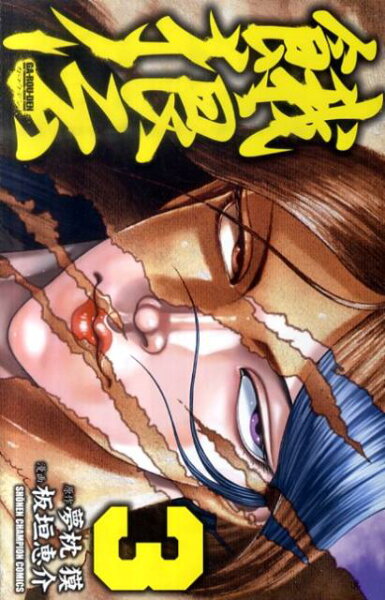
Garouden
Garouden follows Bunshichi Tanba, a former judoka who operates in the underground fighting world — a manga drawn by Jiro Taniguchi with psychological depth and physical authenticity rare in fighting manga.
Action / Crime
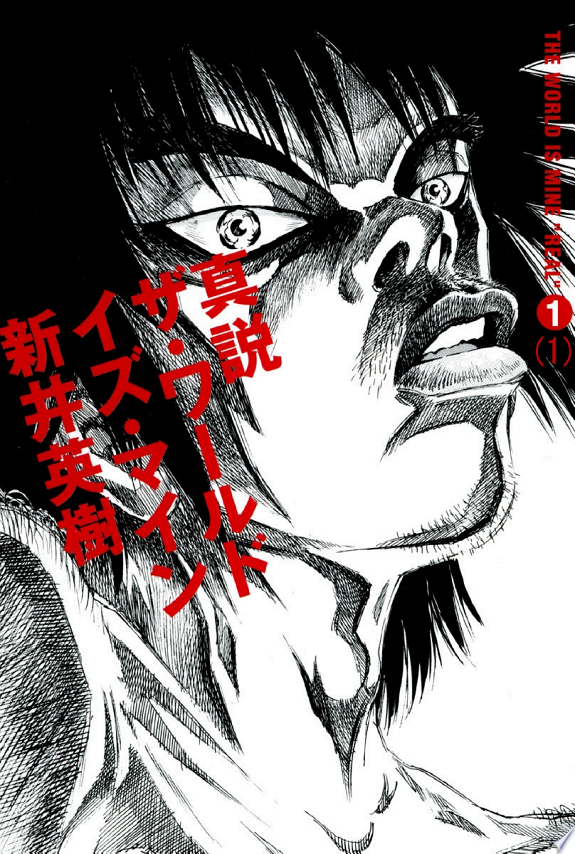
The World Is Mine
The World Is Mine follows two criminal partners — the unpredictable Mon and the calculating Toshi — on a violent crime spree across Japan, alongside a separate thread about a mysterious monster emerging in the wilderness.
Action / Drama
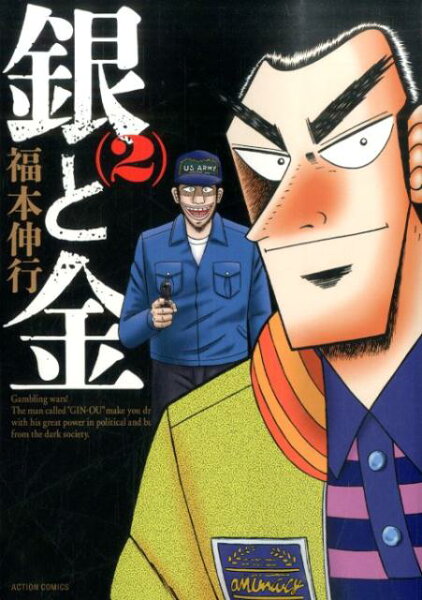
Gin to Kin
Gin to Kin is Nobuyuki Fukumoto's gambling manga about Morita Tetsuo, a young man drawn into the inner world of high-stakes underground gambling — a slower, denser predecessor to Kaiji where every game is a psychological war.
Action / Sci-Fi
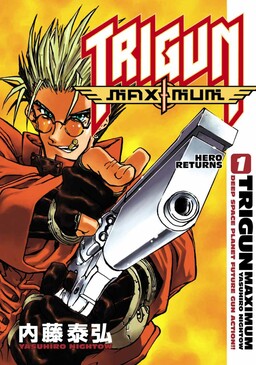
Trigun Maximum
Vash the Stampede walks a desert planet called Gunsmoke. He has a $$60 billion double-dollar bounty on his head, a gun arm hidden under his red coat, and a single rule he has never broken: he does not kill anyone. Yasuhiro Nightow's 14-volume sequel to Trigun is one of the most thematically serious action manga ever serialized.
Action / Comedy
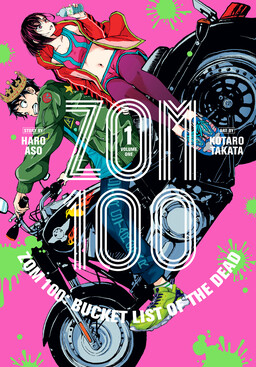
Zom 100: Bucket List of the Dead
A review of Zom 100: Bucket List of the Dead — 15 volumes in Monthly Sunday GX. Akira Tendo spent three years being worked to death at a black company; when the zombie apocalypse starts, his first thought is relief that he doesn't have to go to work; he makes a list of 100 things to do before becoming a zombie. The most original zombie premise in years. VIZ Media's English edition is complete.
Written by
Yu
Manga Enthusiast from Japan
I grew up in Japan and manga literally saved me during a tough time in elementary school. My English isn't perfect, but my love for manga is real — and I want to share it with you.