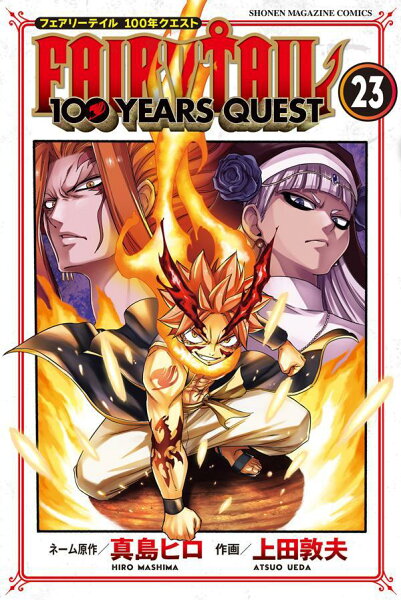
Fairy Tail Review: The Guild That Fights Like Family and Wins Like Magic
by Hiro Mashima
Read the first volume. If it doesn't hook you, put it down. It'll hook you.
Buy Fairy Tail on Amazon →*Affiliate link — I earn a small commission at no extra cost to you.
Quick Take
- A wizard guild that causes more property damage than any villain, fights with magic that gets progressively more spectacular, and wins through bonds that cannot be broken
- Pure fun — the most unambiguously enjoyable long-running shonen of its generation
- 63 volumes, complete, with a sequel series ongoing
Who Is This Manga For?
- Readers who want shonen action with maximum fun and minimum grimness
- Fans of magic systems, guild worlds, and character ensembles
- Anyone who wants a feel-good adventure that delivers consistent entertainment
- Readers who enjoyed the early arcs of Naruto or Bleach and want similar energy
Content Warnings & Age Rating
Age Rating: T (Teen) Content Warnings: Fantasy violence, mild fanservice (Lucy's outfits, some beach scenes), themes of sacrifice
Very accessible. The fanservice is present but not the manga's focus.
Yu's Rating
| Category | Score |
|---|---|
| Story Depth | ★★★☆☆ |
| Art Style | ★★★★☆ |
| Character Development | ★★★☆☆ |
| Accessibility for Non-Japanese Readers | ★★★★★ |
| Reread Value | ★★★☆☆ |
Story Overview
Lucy Heartfilia is a celestial spirit mage who summons spirits through magical keys. She wants to join Fairy Tail, the most famous wizard guild in the Kingdom of Fiore. She meets Natsu Dragneel — a dragon slayer who eats fire — and his flying blue cat Happy, and is recruited into the guild before she fully understands what she is getting into.
Fairy Tail is chaotic, loud, and perpetually breaking things. It is also the place where its members are most fully themselves. The manga follows Natsu, Lucy, and their guild through escalating threats — dark guilds, ancient demons, dragons, gods — each requiring more power and more sacrifice than the last.
The formula is consistent and effective: introduce a powerful enemy, put the characters through suffering, reveal the power of their bonds, win spectacularly.
Characters
Natsu Dragneel — Enthusiastic, simple, and driven by loyalty rather than ambition. His search for the dragon Igneel who raised him is the emotional throughline.
Lucy Heartfilia — The viewpoint character; more grounded than her guildmates, her spirit key magic is consistently creative.
Erza Scarlet — The guild's most powerful active member; her armor-switching magic and backstory are among the manga's emotional highlights.
Gray Fullbuster — Ice magic, rivalry with Natsu, a dark history with a demon guild.
Gray, Wendy, Cana — The wider guild is enormous and the manga makes many of them feel real.
Art Style
Mashima's art is clean, dynamic, and excels at magic sequences — the variety of magic types allows him to design visually distinct battles. His character designs are appealing and the guild's large cast is visually distinguishable. The art has improved significantly across 63 volumes.
Cultural Context
Fairy Tail is embedded in the Western fantasy tradition (guilds, magic academies, dark guilds) filtered through the shonen manga template. It is less specifically Japanese than most manga on this list, which contributes to its international popularity.
What I Love About It
The Tenrou Island arc is the best sustained arc in the manga — the stakes are real, the character moments are earned, and Erza's backstory is finally given the space it deserves. The manga does friendship without irony; it means what it says about what bonds between people can achieve.
What English-Speaking Fans Say
Fairy Tail has one of the largest Western fanbases of any shonen manga. It is frequently criticized for relying too heavily on friendship-as-power-up and for fan service, and frequently defended for its consistent entertainment value and character warmth. Most readers agree the Tenrou Island and Grand Magic Games arcs are the strongest.
Memorable Scene ⚠️ Spoiler Warning
The return from Tenrou Island — what the guild members find when they return, and how they respond to it — is the manga's most emotionally effective moment and the one that best demonstrates what Fairy Tail is actually about.
Similar Manga
- Naruto — More serious, similar friendship themes
- One Piece — More depth, similar adventure structure
- Black Clover — Spiritual successor in tone and structure
- Rave Master (same author) — Mashima's earlier work; similar energy
Reading Order / Where to Start
Volume 1. The story builds on itself but early arcs are self-contained enough to establish whether you enjoy the series.
Official English Translation Status
Kodansha USA published the complete 63-volume series. All volumes available.
Pros & Cons
Pros
- Consistently fun across a long run
- Large ensemble cast that feels like a real community
- Magic variety keeps battles visually interesting
- Erza and her backstory are genuinely affecting
Cons
- Friendship-power-ups are frequent to the point of formula
- Some arcs significantly weaker than others
- Fan service distracts from the stronger elements
Format Comparison
| Format | Notes |
|---|---|
| Individual Volumes | Standard release |
| Digital | Recommended for 63-volume series |
| Omnibus | Some omnibus editions available |
Where to Buy
Read the first volume. If it doesn't hook you, put it down. It'll hook you.
This post contains affiliate links. If you purchase through these links, I may earn a small commission at no extra cost to you. As an Amazon Associate, I earn from qualifying purchases.
*Affiliate link — I earn a small commission at no extra cost to you.
More Manga You Might Like
Action / Fantasy
Fullmetal Alchemist
A review of Fullmetal Alchemist — 27 volumes in Monthly Shonen Gangan. Edward and Alphonse Elric commit the taboo of human transmutation trying to revive their mother; what follows is 27 volumes with zero wasted chapters about two brothers trying to fix a terrible mistake — widely considered the best-written manga ever made. VIZ Media's English edition is complete.
Action / Fantasy
Soul Eater
Yu's review of Soul Eater — a manga set in a school where students are weapon-wielders, and the weapons are people. Gothic, funny, and visually unlike anything else in manga. One of the best completed action series of its era.
Action / Fantasy
Shaman King
Yu's review of Shaman King — a laid-back shaman who communes with spirits enters the Shaman Fight, a tournament held every 500 years to determine who becomes the Shaman King and reshapes the world.
Action / Adventure
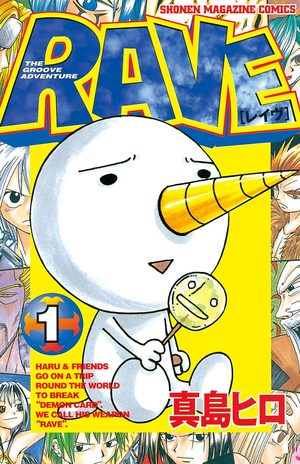
Rave Master (Groove Adventure Rave)
Yu's review of Rave Master — Haru Glory discovers he is the second Rave Master, holder of the legendary Holy Bring sword; with his companions, he travels the world collecting the five Rave stones and destroying the Dark Bring before they can be used to end the world.
Action / Fantasy
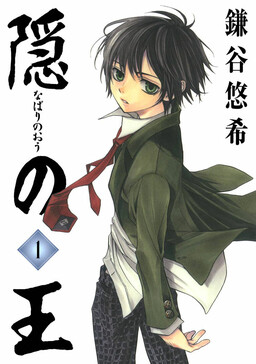
Nabari no Ou
Yu's review of Nabari no Ou — apathetic middle schooler Rokujou Miharu hosts within him the Shinrabanshou — the ultimate power of the ninja world — that every faction of the hidden world wants to control; Rokujou doesn't care about any of this, which makes him the most dangerous person in every room.
Action / Fantasy
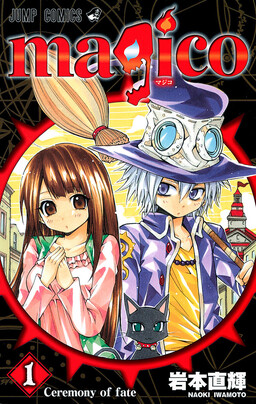
Magico
Yu's review of Magico — Shion is one of the most powerful mages in the world; Emma carries a cursed power called Echidna inside her that will eventually destroy everything; the only way to suppress it is to complete the Magico ritual, which requires the two to act as husband and wife while performing increasingly elaborate magical ceremonies.
Written by
Yu
Manga Enthusiast from Japan
I grew up in Japan and manga literally saved me during a tough time in elementary school. My English isn't perfect, but my love for manga is real — and I want to share it with you.
Disclosure: This post contains affiliate links. As an Amazon Associate, I earn from qualifying purchases at no extra cost to you.