Dragon Drive Review: A Lazy Boy Discovers a VR Game Where His Weak-Looking Dragon Is Actually Extraordinary
by Ken-ichi Sakura
Read the first volume. If it doesn't hook you, put it down. It'll hook you.
Buy Dragon Drive on Amazon →*Affiliate link — I earn a small commission at no extra cost to you.
Quick Take
- A classic shonen VR-dragon adventure — the "useless-looking partner is secretly exceptional" structure is executed with the warmth and energy typical of Weekly Shōnen Jump
- The bond between Reiji and Chibi is the series' consistent emotional foundation
- 14 volumes complete; classic mid-2000s Viz shonen adventure
Who Is This Manga For?
- Readers who want classic shonen dragon-battle adventure
- Anyone interested in VR game settings with real-world stakes
- Fans of Viz shonen from the mid-2000s era
- Readers who want complete medium-length monster-companion adventure
Content Warnings & Age Rating
Age Rating: T (Teen) Content Warnings: Dragon combat action; standard shonen adventure violence; friendship themes with stakes
T rating — appropriate for most readers; standard shonen content.
Yu's Rating
| Category | Score |
|---|---|
| Story Depth | ★★★☆☆ |
| Art Style | ★★★☆☆ |
| Character Development | ★★★☆☆ |
| Accessibility for Non-Japanese Readers | ★★★★★ |
| Reread Value | ★★★☆☆ |
Story Overview
Reiji Ozora has quit so many things — clubs, activities, lessons — that his record is genuinely remarkable. His childhood friend Maiko drags him into Dragon Drive, a VR game where players partner with dragons and fight.
The dragon Reiji is assigned is Chibi — small, sleepy, apparently unremarkable. Other dragons are large and impressive. Chibi is neither.
Chibi turns out to be unusual in ways that the game's designers did not expect and that the larger conflict around Dragon Drive did not account for. The series follows Reiji's transformation from consistent quitter to committed partner, with Chibi as the reason he stops quitting.
Characters
Reiji Ozora — A protagonist whose laziness is a defense rather than a character flaw; the first thing he has not quit is Chibi, and why this specific partner produces this specific commitment is the series' character question.
Chibi — The dragon whose apparent weakness and actual significance are the series' central mystery; the bond between Reiji and Chibi is the series' most consistent warmth.
Art Style
Sakura's art is functional and energetic for shonen action — the dragon designs are distinctive and the combat sequences are clearly staged.
Cultural Context
Dragon Drive ran in Weekly Shōnen Jump from 2001 to 2006. The VR game with dragon partners premise participates in the early-2000s game-world shonen tradition that includes Digimon and Zatch Bell, while the specific focus on the lazy-protagonist-transformed structure is characteristic of Jump's character development emphasis.
What I Love About It
Reiji's first refusal to quit. The series spends enough time on his pattern of quitting that when he decides Chibi is the one thing he will not abandon, the weight of that decision is real. The dragon bond as the first genuine commitment of a kid who has never committed is the series' most emotionally honest content.
What English-Speaking Fans Say
Western readers describe Dragon Drive as a charming mid-tier shonen from the Jump golden era — specifically noted for the Reiji-Chibi relationship being genuinely affecting, for the VR-game stakes escalating effectively, and for the series being an enjoyable complete adventure for readers who want classic shonen without modern complexity. Recommended for readers who grew up with early 2000s Viz shonen.
Memorable Scene ⚠️ Spoiler Warning
The scene where Chibi's actual potential is revealed — when what everyone thought was limitation turns out to be something else entirely — is the series' most effective subversion of the "useless partner" setup.
Similar Manga
- Zatch Bell — Monster partner adventure with similar emotional warmth
- Beyblade — Game-based competitive partner adventure in similar era
- Yu-Gi-Oh! — Card game partner adventure with similar commitment theme
- Digimon — VR/digital partner adventure with similar bond focus
Reading Order / Where to Start
Volume 1 — Reiji, Chibi, and the Dragon Drive game are introduced immediately.
Official English Translation Status
Viz Media published the complete English series. All 14 volumes available.
Pros & Cons
Pros
- Reiji-Chibi bond is genuinely affecting
- Classic shonen structure executed cleanly
- Complete at 14 volumes
- Good nostalgia value for mid-2000s Viz readers
Cons
- Formula is familiar
- Art is mid-tier for Jump standards
- Less ambitious than later dragon-themed series
Format Comparison
| Format | Notes |
|---|---|
| Individual Volumes | Viz Media; complete series (may require secondhand) |
| Digital | May be available |
Where to Buy
Read the first volume. If it doesn't hook you, put it down. It'll hook you.
This post contains affiliate links. If you purchase through these links, I may earn a small commission at no extra cost to you. As an Amazon Associate, I earn from qualifying purchases.
*Affiliate link — I earn a small commission at no extra cost to you.
More Manga You Might Like
Action / Fantasy
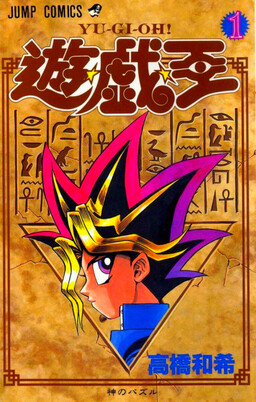
Yu-Gi-Oh!
Yu's review of Yu-Gi-Oh! — Yugi Mutou solves the Millennium Puzzle and his body becomes shared with a spirit of unknown origin; the early series follows the spirit's use of 'shadow games' to punish bullies and cheaters, eventually evolving into the card game tournament arc that the franchise became known for.
Action / Fantasy
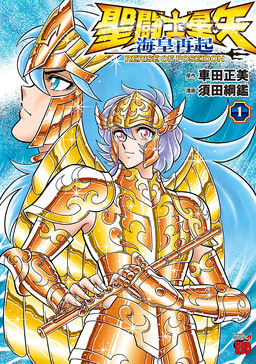
Saint Seiya
Yu's review of Saint Seiya — five Bronze Saints in legendary constellation armor fight to protect the reincarnated goddess Athena from divine enemies; Seiya and his companions push past human limits with their Cosmo energy in battles that defined 1980s action manga.

Fantasy / Action
Magi: Adventure of Sinbad
Yu's review of Magi: Adventure of Sinbad — a prequel to the main Magi series following Sinbad at sixteen, before he became King of Sindria; Sinbad is the first person to ever conquer a dungeon, and this story follows how he went from a poor boy in a dying village to the most powerful king in the world.
Action / Fantasy
Fullmetal Alchemist
A review of Fullmetal Alchemist — 27 volumes in Monthly Shonen Gangan. Edward and Alphonse Elric commit the taboo of human transmutation trying to revive their mother; what follows is 27 volumes with zero wasted chapters about two brothers trying to fix a terrible mistake — widely considered the best-written manga ever made. VIZ Media's English edition is complete.

Comedy / Action
Dr. Slump
Yu's review of Dr. Slump — Senbei Norimaki is a not-very-good inventor who creates the perfect android girl, Arale, who is stronger than any human, has perfect vision but is terribly nearsighted without her glasses, and has the complete absence of self-preservation instinct that characterizes someone who cannot be hurt.
Action
Tuxedo Gin
Yu's review of Tuxedo Gin — Ginji Kusanagi is a teenage boxing prodigy who dies in an accident the night before his first date with Minako; he reincarnates as a penguin and is found by Minako, who keeps him as a pet while his spirit must wait until the karmic debt is paid.
Written by
Yu
Manga Enthusiast from Japan
I grew up in Japan and manga literally saved me during a tough time in elementary school. My English isn't perfect, but my love for manga is real — and I want to share it with you.
Disclosure: This post contains affiliate links. As an Amazon Associate, I earn from qualifying purchases at no extra cost to you.