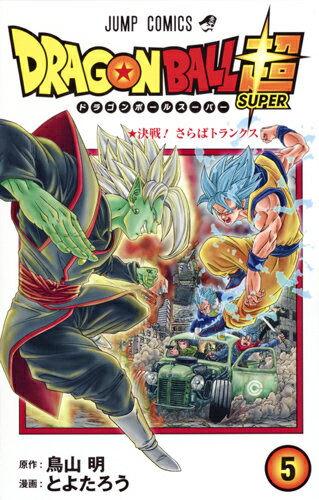
Dragon Ball Review: The Manga That Made the World Fall in Love with Manga
by Akira Toriyama
Read the first volume. If it doesn't hook you, put it down. It'll hook you.
Buy Dragon Ball on Amazon →*Affiliate link — I earn a small commission at no extra cost to you.
Son Goku is a boy living alone in the wilderness with a tail and no memory of his parents. When a girl named Bulma crashes into his life searching for magical Dragon Balls — seven spheres that summon a dragon that grants any wish — his world opens up.
I'm Yu. There is a moment in the Cell arc where Goku steps back and passes the fight to his son. That moment taught me something I couldn't name at the time.
Quick Take
- Akira Toriyama's Dragon Ball (ドラゴンボール) ran in Weekly Shonen Jump — 42 volumes, complete.
- VIZ Media published the complete 42-volume English edition.
- Rated T (Teen) — action violence escalates significantly; early volumes have mild slapstick humor.
Story Overview
Dragon Ball begins as a comedy. Goku is innocent, literal-minded, and utterly powerful. The adventure is light. Then, gradually, the series darkens and deepens — the stakes rise, the enemies grow stronger, and Goku grows with them. By the time the Cell arc arrives, Dragon Ball is something different from what it started as.
The story moves from the Dragon Ball treasure hunt, through martial arts tournaments, through the revelation of Goku's alien origins as a Saiyan, through Frieza, through Cell, through Buu. Each arc escalates the scale of combat while building on the characters established before it.
Characters
Son Goku — The rarest kind of protagonist: completely selfless not out of obligation but out of nature. He doesn't fight to protect — he fights because fighting is the thing he loves most. His joy in battle is infectious.
Bulma — Smart, resourceful, and unwilling to be sidelined. She bridges the audience and Goku's world from the first page.
Vegeta — The rival who becomes something more complicated. His arc — from destroyer to something approaching defender — is the series' most human transformation.
Piccolo — The former villain who becomes Gohan's mentor. The relationship between Piccolo and Gohan is one of manga's great unexpected pairings.
Son Gohan — Goku's son, whose potential exceeds his father's. What Toriyama does with Gohan — building him as the possible center of the story, then stepping back — is one of the series' most discussed decisions.
What I Love About It
There is a moment in the Cell arc where Goku, facing a battle he cannot win himself, makes a decision: he passes the fight to his son. He steps back. He believes, completely, that Gohan can do what he cannot.
I was a child reading this. I understood that the person who had been the center of the story was choosing to trust someone else — to step aside and give another person the space to become great.
That is not a common thing in fiction, and it is not a common thing in life.
Memorable Scene ⚠️ Spoiler Warning
Gohan's transformation against Cell.
After volumes of being told he has the potential to surpass his father, after watching Cell absorb Android 17 and 18, after seeing his friends wounded — something breaks open in Gohan. The transformation sequence, as the energy builds and Cell stands there genuinely afraid for the first time, is one of the most kinetic, cathartic sequences in manga.
And then Goku, watching from elsewhere, smiles. He is proud. That's all. That's enough.
Pros & Cons
Pros:
- The foundational action manga — every battle series since owes something to it.
- 42 volumes that tell a complete story with a genuine ending.
- Toriyama's art is some of the clearest, most dynamic in manga history.
- Goku is a joy to read in every volume.
Cons:
- Early comedic tone surprises readers expecting Z-era intensity from the start.
- Power escalation can feel excessive in the later arcs.
- Character depth is occasionally sacrificed for spectacle.
Is Dragon Ball Worth Reading?
Yes — for anyone who wants to understand why every action manga looks the way it does. The early comedic volumes are genuinely good, and the contrast with the later serious material makes both richer. Start from Volume 1 rather than jumping into the Z material.
Who Is This Manga For?
- Readers who want to understand the foundational text of shonen action.
- Fans of pure, kinetic action with characters whose power you can feel in every panel.
- Anyone who wants a complete story with a genuine beginning, middle, and end.
- Readers who enjoyed the Z anime and want the original, denser source.
Official English Translation Status
VIZ Media published the complete 42-volume English edition. Available in print, digital, and VIZBIG 3-in-1 omnibus.
Where to Buy
VIZ Media's complete 42-volume English edition.
Browse Dragon Ball on Amazon →
This post contains affiliate links. If you purchase through these links, I may earn a small commission at no extra cost to you. As an Amazon Associate, I earn from qualifying purchases.
*Affiliate link — I earn a small commission at no extra cost to you.
More Manga You Might Like
Action / Adventure
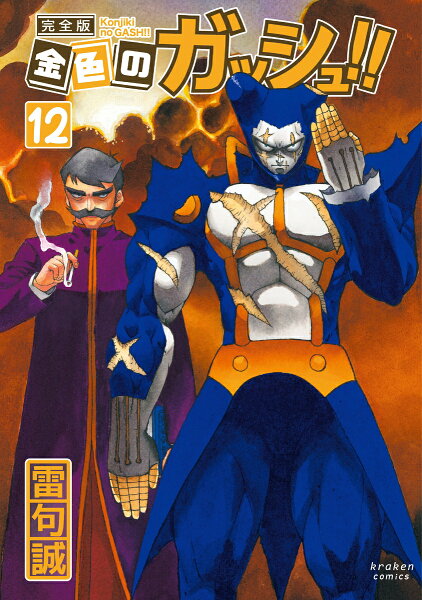
Zatch Bell!
A review of Zatch Bell! — 33 volumes in Weekly Shonen Sunday. Genius middle schooler Kiyo Takamine partners with demon child Zatch Bell in a battle royale of 100 demon/human pairs competing to become King of the Mamodo World; Zatch wants to be a kind king. The manga that made an entire generation cry about a book burning. VIZ Media's English edition is complete.
Action / Martial Arts
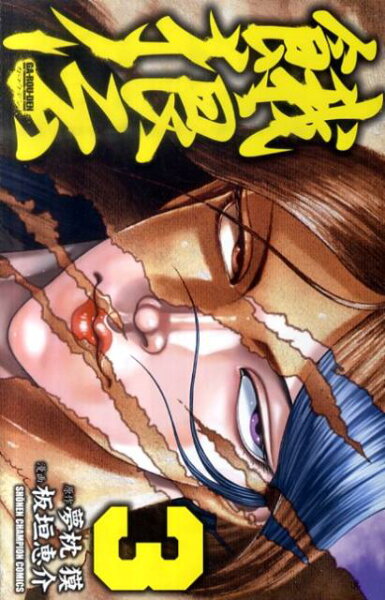
Garouden
Garouden follows Bunshichi Tanba, a former judoka who operates in the underground fighting world — a manga drawn by Jiro Taniguchi with psychological depth and physical authenticity rare in fighting manga.
Action / Supernatural
Yu Yu Hakusho
A review of Yu Yu Hakusho — 19 volumes in Weekly Shonen Jump. Yusuke Urameshi dies heroically saving a child, is recruited as a Spirit Detective to investigate supernatural cases, and grows from a delinquent who doesn't care about anything into someone with people worth protecting. The series Togashi made before Hunter x Hunter. VIZ Media's English edition is complete.
Action / Supernatural
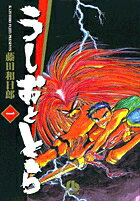
Ushio and Tora
Yu's review of Ushio and Tora — Ushio finds an ancient beast-spirit called Tora pinned under the temple floor; he releases Tora to fight other spirits threatening his town; Tora intends to eat Ushio eventually; they travel Japan fighting supernatural threats.
Action / Historical
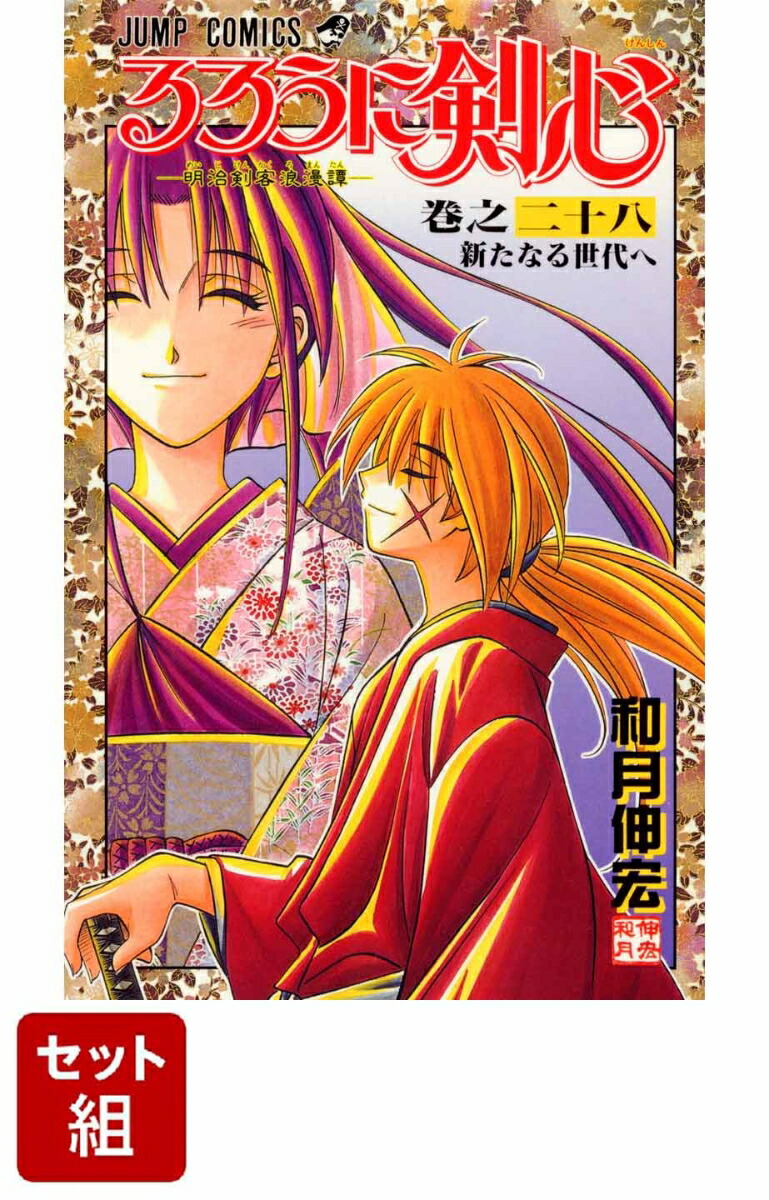
Rurouni Kenshin
A review of Rurouni Kenshin — 28 volumes in Weekly Shonen Jump. Himura Kenshin was Japan's most feared assassin of the Bakumatsu; he now wanders with a reverse-blade sword, trying to protect without killing. The Kyoto Arc is one of the greatest extended arcs in manga, and Shishio is the genre's finest villain. VIZ Media's English edition is complete.
Action / Comedy
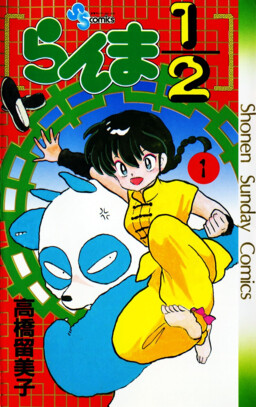
Ranma ½
A review of Ranma ½ — 38 volumes in Weekly Shonen Sunday. Ranma Saotome transforms into a girl when splashed with cold water; his father has arranged him to be engaged to Akane Tendo, who hates boys; the series follows their chaotic not-quite-relationship and increasingly bizarre martial arts challenges. Rumiko Takahashi's most kinetic work. VIZ Media's English edition is complete.
Written by
Yu
Manga Enthusiast from Japan
I grew up in Japan and manga literally saved me during a tough time in elementary school. My English isn't perfect, but my love for manga is real — and I want to share it with you.
Disclosure: This post contains affiliate links. As an Amazon Associate, I earn from qualifying purchases at no extra cost to you.