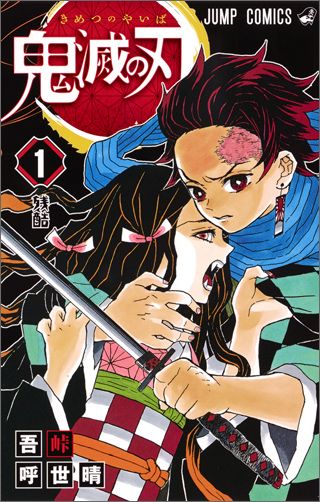
Demon Slayer Review: The Manga That Made the Whole World Cry
by Koyoharu Gotouge
Read the first volume. If it doesn't hook you, put it down. It'll hook you.
Buy Demon Slayer: Kimetsu no Yaiba on Amazon →*Affiliate link — I earn a small commission at no extra cost to you.
Quick Take
- 23 volumes of some of the most stunning art in manga history — every page looks like a painting
- A story about family, grief, and finding compassion even for those who hurt you
- Shorter than most shonen epics, and complete — you can read the whole thing in a weekend
Who Is This Manga For?
Demon Slayer is for you if:
- You want beautiful, cinematic art that makes every fight feel like a movie
- You love emotional stories where the bonds between characters carry more weight than the battles
- You're new to manga and want something complete, manageable, and universally praised
- You can handle some dark and disturbing imagery in service of a deeply humane story
Content Warnings & Age Rating
Age Rating: T (Teen) Content Warnings: Violence and gore (demons eating people, graphic injuries), themes of grief and loss, some disturbing imagery
Demon Slayer is darker than Naruto or My Hero Academia. Demons are genuinely horrifying, and some death scenes are brutal. But the violence always serves the story — it's never gratuitous. The emotional core is deeply kind, which makes the dark parts hit even harder.
Yu's Rating
| Category | Score |
|---|---|
| Story Depth | ★★★★☆ |
| Art Style | ★★★★★ |
| Character Development | ★★★★★ |
| Accessibility for Non-Japanese Readers | ★★★★★ |
| Reread Value | ★★★★☆ |
Story Overview
Tanjiro Kamado lives in the mountains with his family, selling charcoal to get by. He's gentle, hardworking, and completely ordinary — until he comes home one day to find his entire family slaughtered by a demon. The only survivor is his younger sister Nezuko, who has been transformed into a demon herself.
But Nezuko is still Nezuko. She still recognizes her brother. And so Tanjiro makes two promises: protect Nezuko, and find a way to turn her back into a human.
To do that, he must join the Demon Slayer Corps — an ancient organization of warriors who hunt and kill demons — and ultimately confront Muzan Kibutsuji, the progenitor of all demons and the one who destroyed his family.
What makes Demon Slayer different from most shonen manga is Tanjiro himself. He fights demons, yes. But he also mourns them. Almost every demon in this series has a tragic backstory — a human life destroyed before they became monsters. Tanjiro never forgets that. He cries for them even as he kills them.
Characters
Kamado Tanjiro — Possibly the most genuinely kind protagonist in shonen manga. His decency isn't a character trait he grows into — it's who he is from the first page. Watching a person like that navigate a world of horror is deeply moving.
Kamado Nezuko — Tanjiro's sister, now a demon who has somehow retained her humanity. She communicates without words, fights to protect her brother, and carries one of the most unusual character arcs in the series. She is the heart of the story.
Zenitsu Agatsuma — Tanjiro's cowardly companion who transforms into something extraordinary when he falls asleep. Mostly played for comedy, but his backstory and peak moments are genuinely powerful.
Inosuke Hashibira — Wild and aggressive, raised by boars in the mountains. His friendship with Tanjiro is the funniest and most wholesome relationship in the series.
Rengoku Kyojuro — The Flame Hashira. He appears for one arc. His death broke more hearts worldwide than almost any manga character death in recent memory.
Art Style
Gotouge's art is visually unlike anything else in mainstream manga. The linework is intricate and delicate. The fight sequences use flowing, almost liquid motion to show breathing techniques and sword forms — each style has its own visual language. Full-color editions of certain chapters are truly stunning.
The demon designs deserve special mention — many are grotesque in ways that feel genuinely creative rather than just shocking. And then there's Nezuko, whose design manages to be simultaneously menacing and heartbreakingly cute.
Cultural Context
The Taisho Era setting (1912–1926) is important. Japan was modernizing rapidly — trains, Western clothing, changing social structures. Demon Slayer plays with this contrast: ancient demon-hunting traditions against a rapidly modernizing world. Many of the demons' backstories connect to this historical moment.
Breathing techniques (呼吸法, kokyu-ho) are inspired by real Japanese martial arts concepts. The idea that mastery of breath unlocks superhuman ability connects to kendo, traditional archery, and various meditation practices.
The family unit as the center of identity — not just Tanjiro's family, but the families of nearly every demon he faces — reflects deeply Japanese values around obligation, grief, and what we carry forward from those we've lost.
What I Love About It
I didn't expect to feel sorry for the demons. That's what got me.
When Tanjiro kills the spider demon Rui — a lower-ranking demon who created a twisted "family" of other demons because he was so desperate for connection — Tanjiro doesn't celebrate. He watches as Rui remembers, in his final moments, the real family he had as a human, the mother and father he tried to kill. And Tanjiro cries for him.
That moment broke something open in me. Because I understood it — the way loneliness makes people do terrible things in pursuit of belonging. And I understood Tanjiro's response: refusing to hate, even when hatred would be so much easier.
This manga made me want to be a more compassionate person. I don't say that about many things.
What English-Speaking Fans Say
Demon Slayer exploded in the West largely thanks to the anime adaptation, particularly the Mugen Train arc which became the highest-grossing anime film of all time. But fans who go back to the manga often say it hits differently — quieter, more intimate in places where the anime adds spectacle.
Common fan praise focuses on the art, the Tanjiro/Nezuko sibling bond, and Rengoku. Common criticisms note that some of the pacing in the middle volumes is uneven and that certain supporting characters don't get enough development.
Overall the Western fanbase is enormous and enthusiastic. It's a safe recommendation for almost any reader.
Memorable Scene ⚠️ Spoiler Warning
Rengoku's death.
The Flame Hashira faces Akaza, a powerful upper-ranking demon, in a battle that has already pushed him beyond his limits. Akaza offers to turn him into a demon — to let him live, to preserve his strength. Rengoku refuses.
He dies at sunrise, smiling, telling Tanjiro: "Set your heart ablaze."
Half the world cried. I was among them.
Similar Manga
If you liked Demon Slayer, try:
- Jujutsu Kaisen — Similar dark supernatural action, even more morally complex
- Fullmetal Alchemist — Brothers on a mission, family sacrifice, grief as a driving force
- Bleach — Soul reapers vs. demons, epic sword fights, strong central friendship
- Dororo — Older series, historical Japan setting, similar themes of demons and humanity
Reading Order / Where to Start
Start from Volume 1 — the series is 23 volumes and reads best as a complete whole. The early volumes establish character relationships that pay off enormously in the final arc.
If you want a taste first: Volumes 1–3 cover the core setup and Tanjiro's first major test. By Volume 3 you'll know whether this series is for you.
Official English Translation Status
Status: Complete English Volumes: 23 (all volumes available) Translator: VIZ Media Translation Quality: Excellent throughout
The complete series is available in English. You can read the whole story right now, no waiting.
Pros & Cons
Pros
- Some of the most beautiful art in manga — every volume is gorgeous
- Shorter than most shonen at 23 volumes — fully completable
- Emotionally devastating in the best way — the sibling bond is perfect
- Complete series, no waiting
Cons
- Some pacing issues in the middle volumes
- A few supporting characters feel underdeveloped
- Darker content (gore, disturbing demons) may not suit all readers
- The final arc, while emotionally satisfying, is rushed in places
Format Comparison
| Format | Volumes | Price per vol. (approx.) | Best for |
|---|---|---|---|
| Paperback (individual) | 23 vols | ~$9–11 | Collecting |
| Kindle | 23 vols | ~$6–8 | Quick read-through |
| Complete Box Set | 1 box (23 vols) | ~$100–120 | Best physical value |
Recommendation: The Complete Box Set is excellent value if you're committing to the series. For digital, start with Kindle Vol. 1 and you'll be buying the rest before you finish.
Where to Buy
Read the first volume. If it doesn't hook you, put it down. It'll hook you.
This post contains affiliate links. If you purchase through these links, I may earn a small commission at no extra cost to you. As an Amazon Associate, I earn from qualifying purchases.
*Affiliate link — I earn a small commission at no extra cost to you.
More Manga You Might Like
Action / Historical
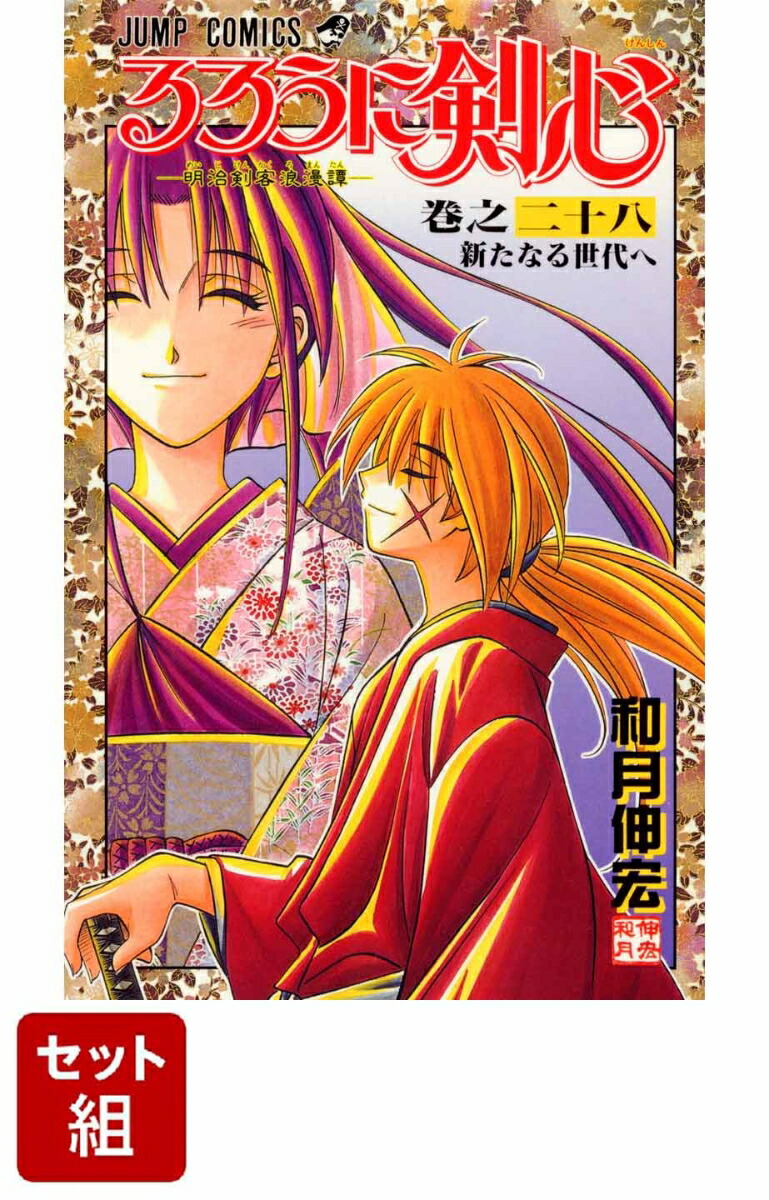
Rurouni Kenshin
A review of Rurouni Kenshin — 28 volumes in Weekly Shonen Jump. Himura Kenshin was Japan's most feared assassin of the Bakumatsu; he now wanders with a reverse-blade sword, trying to protect without killing. The Kyoto Arc is one of the greatest extended arcs in manga, and Shishio is the genre's finest villain. VIZ Media's English edition is complete.
Action / Supernatural
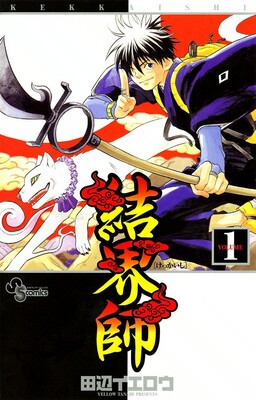
Kekkaishi
Yu's review of Kekkaishi — Yoshimori Sumimura and Tokine Yukimura are rival kekkaishi from neighboring families, both tasked with protecting the Karasumori school grounds from demons; the land amplifies supernatural power, which means every ayakashi that enters becomes an immediate threat.
Action / Historical
Gamaran
Yu's review of Gamaran — Gama Kurogane, son of Japan's greatest swordsman, is recruited to help a young lord win a martial arts tournament; against schools representing every style of Japanese combat, Gama's natural genius and the mysterious Ogame style are tested against opponents who may be his equal.
Action / Historical
The Elusive Samurai
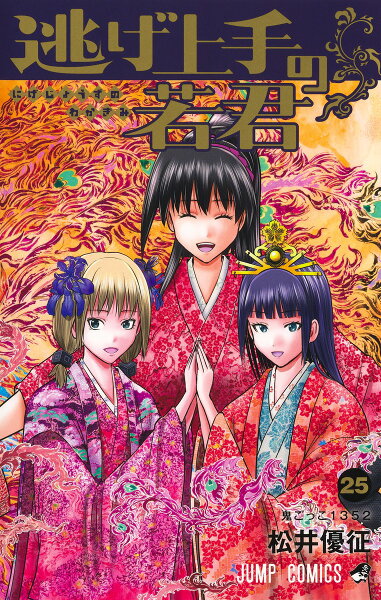
A review of The Elusive Samurai by Yusei Matsui, following a young noble who survives the fall of the Kamakura shogunate through unmatched evasion skills.
Action / Adventure
Zatch Bell!
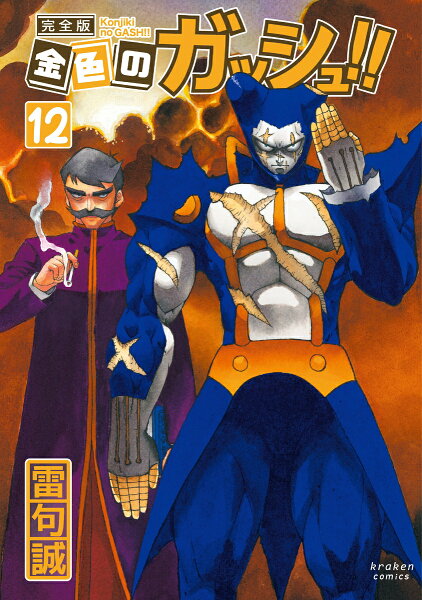
A review of Zatch Bell! — 33 volumes in Weekly Shonen Sunday. Genius middle schooler Kiyo Takamine partners with demon child Zatch Bell in a battle royale of 100 demon/human pairs competing to become King of the Mamodo World; Zatch wants to be a kind king. The manga that made an entire generation cry about a book burning. VIZ Media's English edition is complete.
Action / Supernatural
Yu Yu Hakusho
A review of Yu Yu Hakusho — 19 volumes in Weekly Shonen Jump. Yusuke Urameshi dies heroically saving a child, is recruited as a Spirit Detective to investigate supernatural cases, and grows from a delinquent who doesn't care about anything into someone with people worth protecting. The series Togashi made before Hunter x Hunter. VIZ Media's English edition is complete.
Written by
Yu
Manga Enthusiast from Japan
I grew up in Japan and manga literally saved me during a tough time in elementary school. My English isn't perfect, but my love for manga is real — and I want to share it with you.
Disclosure: This post contains affiliate links. As an Amazon Associate, I earn from qualifying purchases at no extra cost to you.