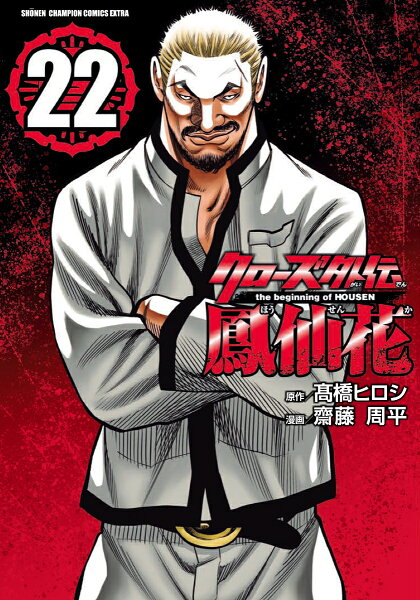
Crows Review: The Delinquent Manga That Made Fighting a Philosophy
by Hiroshi Takahashi
Read the first volume. If it doesn't hook you, put it down. It'll hook you.
Buy Crows on Amazon →*Affiliate link — I earn a small commission at no extra cost to you.
I read Crows over several months, one volume at a time, and by the end I had given up trying to explain to people why a manga about high school delinquents fighting in a parking lot had managed to become one of my favorites. The premise resists summary. The experience doesn't.
I'm Yu. Harumichi Bouya is the purest protagonist in delinquent manga, and Takahashi's work on Suzuran established an entire universe that still has active fans in Japan thirty years later.
Quick Take
- The definitive delinquent fighting manga — Suzuran All-Boys High is manga's most legendary chaotic school
- Bouya is a brilliantly stupid protagonist whose motivations are pure and whose fights are genuinely exciting
- 26 volumes of escalating masculine confrontation that takes its genre completely seriously
Who Is This Manga For?
- Fans of delinquent manga who want the genre at its purest and most committed
- Readers of Worst (the same school's next generation) who want to go back to the source
- Action manga enthusiasts who appreciate fighting as both spectacle and character expression
- Anyone who loves absurdly intense characters doing intensely focused things with maximum commitment
Story Overview
Suzuran All-Boys High School has no teachers worth mentioning and no functioning educational activity. What it has is the most concentrated collection of delinquent fighters in Japan, all competing to be the strongest.
Into this environment arrives Harumichi Bouya — tall, powerful, cheerful, and interested in exactly one thing: finding someone who can genuinely beat him. He has no ambition to rule Suzuran or lead a faction or build a reputation. He wants a real fight. Whether Suzuran can provide it is the question that drives 26 volumes.
The series is structured around the hierarchy of strength at Suzuran and the characters who inhabit it — factions, legendary fighters, grudges that predate Bouya's arrival. Through all of this, Bouya moves with a kind of cheerful violence, accumulating allies (because he defeats them and they respect him) and occasional enemies (because some people can't accept being beaten).
Characters
Harumichi Bouya: One of manga's genuinely original protagonists. He is not brooding or philosophical about his fighting. He does not have a tragic past that drives him. He fights because he likes fighting and wants to find someone stronger. This absurd simplicity is the source of both the comedy and the series' strange moral clarity — Bouya has no hidden agenda.
Rindaman: Suzuran's mysterious strongest fighter — the benchmark against which all other strength is measured. His relationship with Bouya is the series' central thread.
Various faction leaders and fighters: Each arc introduces powerful opponents whose pride and history give weight to their eventual confrontations with Bouya.
Art Style
Takahashi's art is highly distinctive — the character designs have an exaggerated quality (prominent jawlines, intense expressions, specific silhouettes) that makes each fighter instantly identifiable. The fight scenes are kinetic and clear, with an emphasis on physical power and impact over fluid choreography. The style is entirely appropriate to the subject and has been enormously influential on subsequent delinquent manga.
Cultural Context
The delinquent (yankee/yanki) subculture of 1970s-90s Japan — the pompadour hairstyles, the modified school uniforms, the gang hierarchies — is both the setting and the subject of Crows. Suzuran is a heightened version of the all-male delinquent school, a setting that functions as a kind of enclosed arena for working out questions about masculinity, respect, and strength.
The series participates in a long tradition of delinquent manga (beginning with Rokudenashi Blues, Shonan Junai Gumi, and others) while developing its own specific version of the genre's concerns.
What I Love About It
I love Bouya's absolute clarity of purpose.
Most protagonists want something complicated — power, recognition, love, revenge, redemption. Bouya wants a good fight. He will help his friends because they're his friends, not because it advances any agenda. He will back down from nothing because backing down is not part of his repertoire. He will forgive enemies who fight honestly because fighting honestly is what he respects.
This sounds simple, but watching it play out across 26 volumes reveals unexpected depth. Bouya's simplicity turns out to be a kind of moral purity — he treats people exactly according to one criterion, applied consistently, without politics or strategy. In the complicated world of Suzuran's factions and grudges and reputation, this makes him a strange center of clarity.
Memorable Scene ⚠️ Spoiler Warning
The first confrontation between Bouya and Rindaman — much anticipated, long delayed — which does not resolve the way the series has been building toward and is all the more interesting for it. The scene demonstrates that Takahashi's understanding of his own premise goes deeper than the fighting would suggest.
Pros & Cons
Pros:
- Bouya is a genuinely original protagonist — no hidden agenda, no tragedy, just absolute clarity of purpose.
- The Crows/Worst universe (multiple interconnected series at Suzuran across different eras) is one of manga's most developed shared settings.
- Complete at 26 volumes; the escalation is consistent and the payoff with Rindaman earns its buildup.
- Takahashi's character design work is instantly distinctive — every fighter has a silhouette.
Cons:
- No English translation; readable only in Japanese.
- Genre conventions (yankee/delinquent subculture, 1990s aesthetics) are specific and may not translate for all readers.
- The episodic structure in early volumes can feel repetitive before the longer arcs take shape.
Is Crows Worth Reading?
Yes — if you can read Japanese and have any interest in delinquent manga. This is the genre at its most essential: the premise is pure, the protagonist is original, and the series commits completely. Read Worst (the sequel, same school, next generation) afterward.
Who Is This Manga For?
- Readers who want to understand where modern delinquent manga comes from — Crows is the foundation.
- Fans of Worst, Rainbow, or Rokudenashi Blues looking for more of the genre.
- Anyone who wants a complete, long-form series with a distinctive protagonist and consistent internal logic.
Official English Translation Status
Crows has no official English translation. The series is unlicensed outside Japan as of 2026.
Where to Buy
The series is available in Japanese from Akita Shoten. All 26 volumes are in print.
Browse Crows on Amazon Japan →
This post contains affiliate links. If you purchase through these links, I may earn a small commission at no extra cost to you.
*Affiliate link — I earn a small commission at no extra cost to you.
More Manga You Might Like
Action / Drama
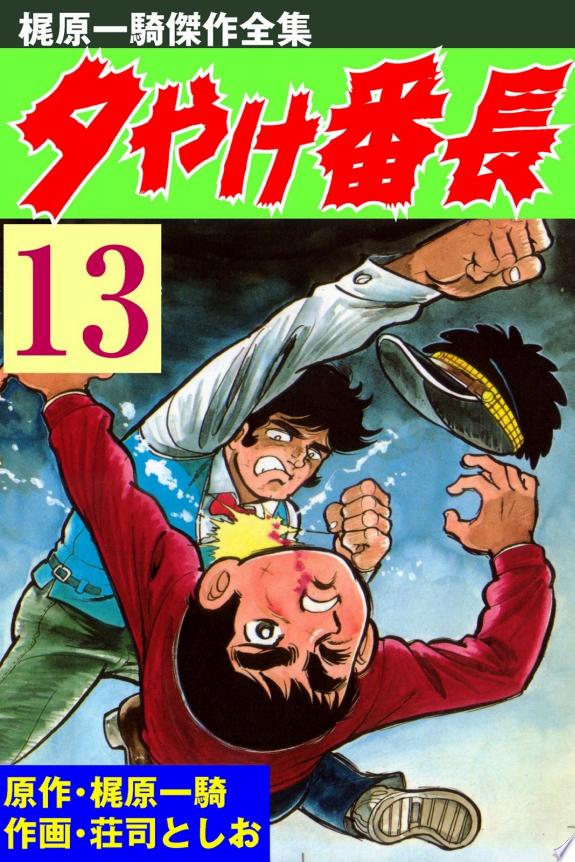
Yuyake Bancho
Yuyake Bancho follows Akagi Kentaro, a transfer student whose fists settle conflicts at every school he attends — a 1960s Weekly Shonen King delinquent classic that helped establish the genre and gave the era's youth a hero who fought for the right reasons.
Action / Comedy
Kyo Kara Ore Wa!!
Kyo Kara Ore Wa!! follows two completely ordinary high school students who, upon transferring to a new school, independently decide to reinvent themselves as the toughest delinquents around — and discover they are both surprisingly and absurdly effective at this.

Action / Drama
Otoko Ippiki Gaki Daisho
Otoko Ippiki Gaki Daisho follows Tora Otori, a young delinquent whose goal is not just to be the toughest kid in his school but to become the undisputed boss of the entire country — and who pursues this goal with a force of personality that makes followers out of former enemies.
Action / Comedy
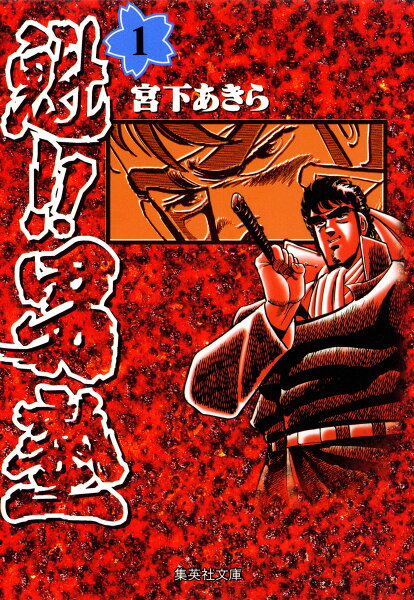
Sakigake!! Otokojuku
Otokojuku is a private school for delinquents where the curriculum consists entirely of brutal martial arts trials designed to forge men of iron will — and the manga is the story of Momotaro Tsurugi, who survives every trial while everyone else fails.
Action / Comedy
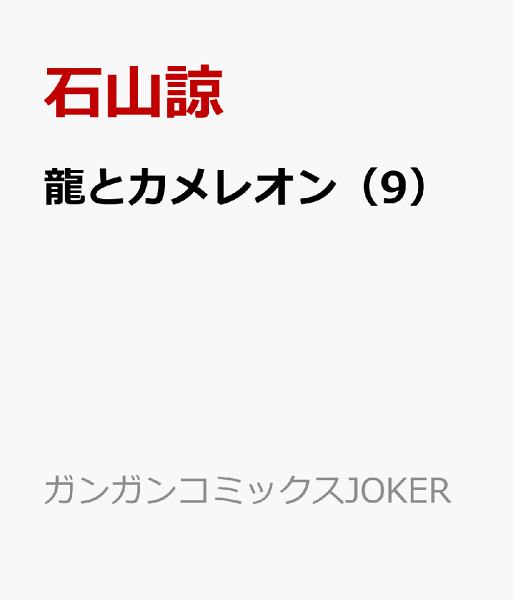
Chameleon
Chameleon follows Kazuki Edajima, an ordinary young man who wants to be a tough delinquent and keeps faking it until the situations he's created demand actual toughness — a comedy about the gap between the identity someone performs and the person they actually are.
Action / Comedy
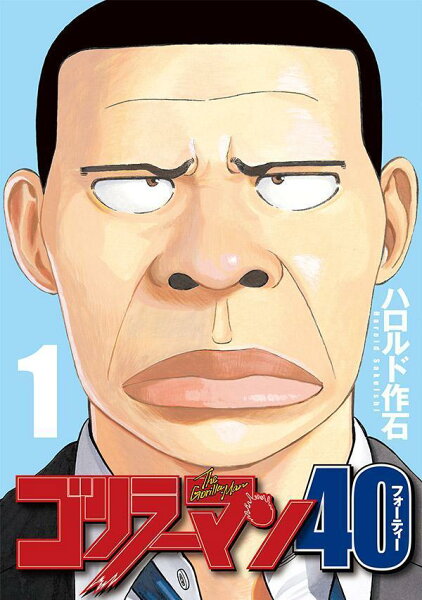
Gorillaman
Gorillaman follows Kumata Masao, a transfer student whose intimidating appearance — enormous, powerful, silent — leads everyone at his new school to assume he is the most dangerous delinquent alive, when in fact he simply wants to attend school without incident.
Written by
Yu
Manga Enthusiast from Japan
I grew up in Japan and manga literally saved me during a tough time in elementary school. My English isn't perfect, but my love for manga is real — and I want to share it with you.
Disclosure: This post contains affiliate links. As an Amazon Associate, I earn from qualifying purchases at no extra cost to you.