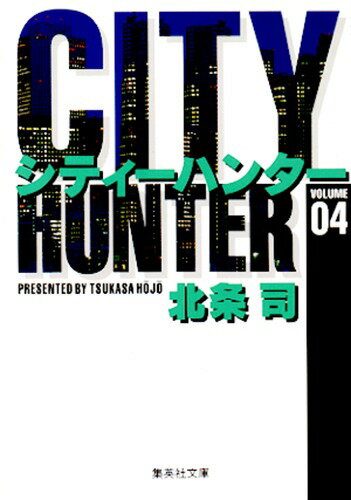
City Hunter Review: The Manga That Taught Me a Mokkori Is More Than Just a Joke
by Tsukasa Hojo
Read the first volume. If it doesn't hook you, put it down. It'll hook you.
Buy City Hunter on Amazon →*Affiliate link — I earn a small commission at no extra cost to you.
Quick Take
- Ryo Saeba is a legendary marksman and self-proclaimed pervert who hides real pain behind every joke
- The XYZ system — where only the truly desperate get help — makes every case feel earned
- Tsukasa Hojo's art walks a perfect line between explosive action and heartfelt romance
Who Is This Manga For?
City Hunter is a great read if you:
- Love classic 80s action with clean gunfight choreography and sharp panel work
- Want comedy that doesn't overstay its welcome — Ryo's mokkori gags work because the drama earns them
- Enjoy slow-burn emotional payoff — the Ryo and Kaori dynamic is one of manga's great slow burns
- Appreciate fully realized side characters — almost every case introduces people worth caring about
Content Warnings & Age Rating
Age Rating: M (Mature) Content Warnings: Violence, sexual humor, adult themes, references to trauma and abuse
Ryo's pervy jokes are constant but played for comedy. The serious cases deal with heavy material — trafficking, murder, revenge. Not for young readers but not gratuitously dark either.
Yu's Rating
| Category | Score |
|---|---|
| Story Depth | ★★★★★ |
| Art Style | ★★★★★ |
| Character Development | ★★★★★ |
| Accessibility for Non-Japanese Readers | ★★★★☆ |
| Reread Value | ★★★★★ |
Story Overview
Ryo Saeba operates out of a Shinjuku cat café with his partner Hideyuki Makimura. Leave an XYZ message on the bulletin board at the station and he'll take your case — eliminating the human trash that the law can't touch.
When Makimura is killed in the line of duty, his sister Kaori takes his place as Ryo's partner. She carries a 100kg hammer specifically to punish Ryo's wandering eyes. What starts as a reluctant arrangement becomes the most important relationship either of them has ever had.
Each chapter brings a new client — a woman running from her past, a father trying to protect his child, someone with nothing left to lose. Ryo solves the problem. He never loses. But some cases cost him more than bullets.
Characters
Ryo Saeba — the City Hunter. The best shot in Japan. Possibly in the world. He jokes constantly, chases women relentlessly, and absolutely will not let a client die. The gap between his comedic surface and the trauma underneath is where the whole manga lives.
Kaori Makimura — Ryo's partner and the person who keeps him human. Her anger at his mokkori antics is genuine, but she understands something about Ryo that nobody else does. Her feelings for him grow slowly, painfully, over 35 volumes.
Umibozu (Falcon) — another top-tier sweeper and Ryo's old rival. His relationship with Saeko gives the manga one of its most satisfying romantic arcs.
Saeko Nogami — a police inspector who uses Ryo's help while pretending she doesn't need it. Her dynamic with Umibozu is equal parts comedy and genuine warmth.
Art Style
Tsukasa Hojo's art is exactly what 80s action manga should look like. His panel composition during gunfights is exceptional — you always know where everyone is, what they're shooting, and what the stakes are. Characters are drawn with real physical presence; Ryo's casual posture versus his killing-mode stillness communicates more than dialogue.
The comedy panels are equally polished. Kaori's giant hammer appearing from nowhere, Ryo's exaggerated mokkori face, the timing of reveals — Hojo understood manga as visual comedy in a way that still holds up.
Cultural Context
City Hunter ran in Weekly Shonen Jump from 1985 to 1991, right in the middle of Japan's economic bubble. The Shinjuku setting is extremely specific — the actual districts, streets, and culture of late-80s Tokyo. The sweeper profession (掃除屋, "cleaner") reflected anxieties about organized crime that the law couldn't reach.
The mokkori joke — Ryo's catchphrase for his arousal — became one of Jump's most recognizable running gags, a word invented by Hojo that entered Japanese slang permanently.
What I Love About It
I first read City Hunter when I was in middle school, at a used bookstore that had all 35 volumes in a cardboard box by the door. I read three volumes standing up and then spent my whole allowance buying the set.
What I didn't understand at twelve — and what hit me completely different at twenty — is that Ryo's comedy is armor. He lost someone he loved before the series started. He makes himself untouchable by never seeming serious. Kaori sees through it. The manga is really about whether a man who has decided not to let anyone matter to him can choose to let someone matter.
By the end I was crying in a used bookstore at twelve. I am not ashamed.
What English-Speaking Fans Say
City Hunter has a passionate fanbase among readers who discovered it through the 80s anime or through Tsukasa Hojo's other work (Cat's Eye). The consensus is that the manga holds up better than expected — the comedy is dated in places but Ryo and Kaori's relationship earns every moment of payoff.
Fans compare it favorably to Lupin III for its mix of competence fantasy and genuine emotional weight. The Denpa Books digital release has introduced it to a new generation who mostly can't believe they slept on it for this long.
Memorable Scene ⚠️ Spoiler Warning
The moment Ryo and Kaori are finally alone after everything — and Ryo, who has spent 35 volumes refusing to show vulnerability, just stands there. No joke. No mokkori. He doesn't need to say anything because Hojo has built 35 volumes of context that makes the silence mean everything.
I've reread that page more times than I can count.
Similar Manga
- Cat's Eye — Tsukasa Hojo's other classic, about three sister art thieves. Same charm, different angle.
- Lupin III — action-comedy with a brilliant thief at the center. That same loveable-rogue energy.
- Glass Mask — completely different genre but the same slow-burn emotional investment in characters.
- Sanctuary — adult action manga with real political weight, also from early-90s Japan.
Reading Order / Where to Start
Start at volume 1 and read straight through. The episodic cases in the early volumes build the world and establish tone before the larger emotional arcs take over. Don't skip ahead.
Official English Translation Status
Denpa Books has published City Hunter digitally in English, releasing the complete run. Physical editions are available through import. The translation maintains Hojo's sharp dialogue and handles the mokkori jokes without over-explaining them.
Pros & Cons
Pros
- One of manga's greatest action-comedy balances
- Ryo and Kaori's relationship is genuinely earned
- Hojo's art is some of the best action cartooning ever printed
- Every side character gets real development
Cons
- Ryo's sexual humor is relentless and some modern readers find it grating
- The episodic early volumes can feel slow if you're waiting for the main arc
- Physical English editions are hard to find at affordable prices
Format Comparison
| Format | Pros | Cons |
|---|---|---|
| Digital (Denpa) | Complete run available | Screen-only |
| Physical (Japanese import) | Beautiful tankobon editions | Japanese only |
| Omnibus | N/A | Not currently available in English |
Recommendation: Digital is the easiest entry point for English readers. The complete run is available and readable on any device.
Where to Buy
Read the first volume. If it doesn't hook you, put it down. It'll hook you.
This post contains affiliate links. If you purchase through these links, I may earn a small commission at no extra cost to you. As an Amazon Associate, I earn from qualifying purchases.
*Affiliate link — I earn a small commission at no extra cost to you.
More Manga You Might Like
Action / Comedy
Gintama
A review of Gintama — 77 volumes in Weekly Shonen Jump. Gintoki Sakata runs an odd-jobs business in an alternate Edo Japan where aliens conquered the country and samurai are forbidden to carry swords. The funniest manga ever made, hiding some of the most devastating serious arcs in the genre. VIZ Media's English edition is complete.
Action / Supernatural
Dandadan
Yu's review of Dandadan — Momo believes in ghosts, Ken believes in aliens, and they make a deal to test each other's beliefs; both get immediately proven wrong and right simultaneously, and a bizarre supernatural romance begins.
Action / Historical
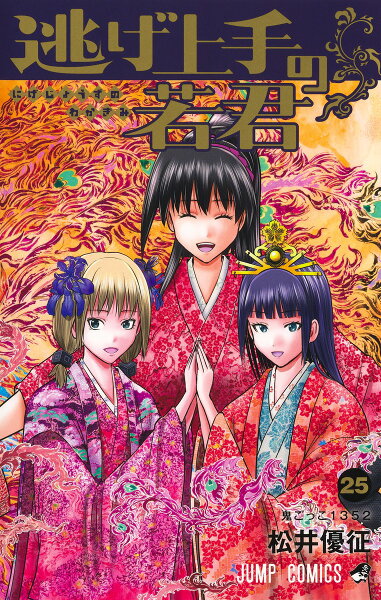
The Elusive Samurai
A review of The Elusive Samurai by Yusei Matsui, following a young noble who survives the fall of the Kamakura shogunate through unmatched evasion skills.
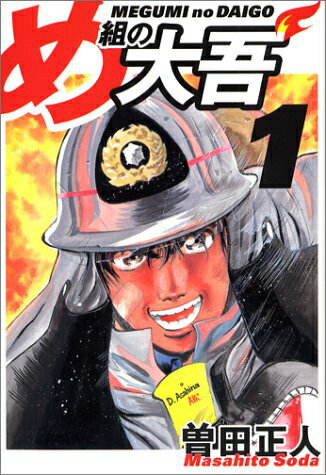
Action / Drama
Daigo of Fire Company M
Daigo of Fire Company M follows Daigo Asahina, an extraordinary new firefighter who joins Company M — and the question of what drives a young man of exceptional ability to choose the most dangerous possible job.
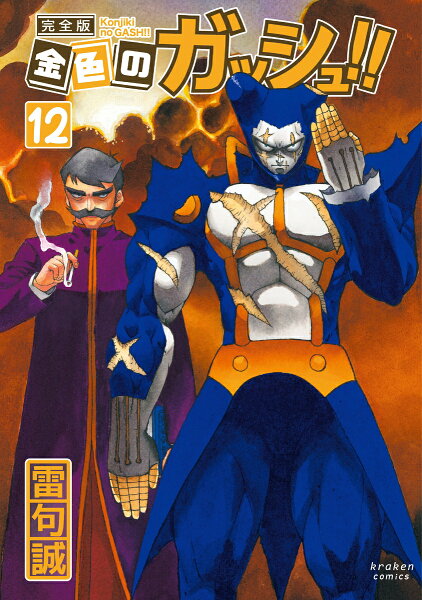
Action / Adventure
Zatch Bell!
A review of Zatch Bell! — 33 volumes in Weekly Shonen Sunday. Genius middle schooler Kiyo Takamine partners with demon child Zatch Bell in a battle royale of 100 demon/human pairs competing to become King of the Mamodo World; Zatch wants to be a kind king. The manga that made an entire generation cry about a book burning. VIZ Media's English edition is complete.
Action / Supernatural
Yu Yu Hakusho
A review of Yu Yu Hakusho — 19 volumes in Weekly Shonen Jump. Yusuke Urameshi dies heroically saving a child, is recruited as a Spirit Detective to investigate supernatural cases, and grows from a delinquent who doesn't care about anything into someone with people worth protecting. The series Togashi made before Hunter x Hunter. VIZ Media's English edition is complete.
Written by
Yu
Manga Enthusiast from Japan
I grew up in Japan and manga literally saved me during a tough time in elementary school. My English isn't perfect, but my love for manga is real — and I want to share it with you.
Disclosure: This post contains affiliate links. As an Amazon Associate, I earn from qualifying purchases at no extra cost to you.