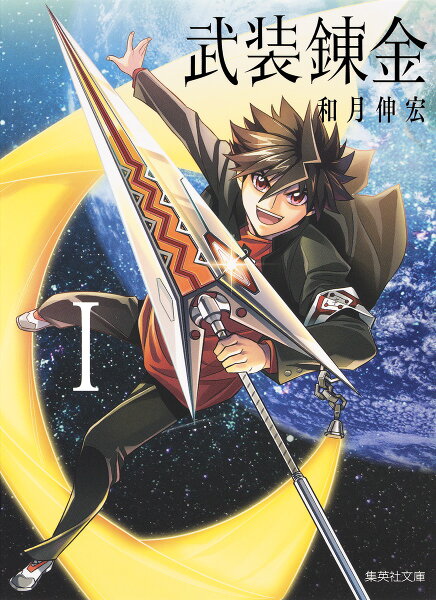
Busou Renkin Review: A Homunculus, an Alchemist, and a Boy Who Died and Came Back With a Spear
by Nobuhiro Watsuki
Read the first volume. If it doesn't hook you, put it down. It'll hook you.
Buy Busou Renkin on Amazon →*Affiliate link — I earn a small commission at no extra cost to you.
Quick Take
- From the creator of Rurouni Kenshin — a tighter, more energetic action manga.
- The kakugane weapon system is creative and gives every fighter a unique fighting style.
- 10 volumes: complete, satisfying, and never overstays its welcome.
Who Is This Manga For?
- Fans of emotionally rich storytelling with memorable characters
- Readers who enjoy complete series with satisfying conclusions
- Anyone interested in discovering hidden gems from manga's golden era
- People who like manga that stays with you long after the final page
Content Warnings & Age Rating
Age Rating: T (Teen) Content Warnings: action violence, supernatural themes, homunculus horror-adjacent
Safe for most readers.
Yu's Rating
| Category | Score |
|---|---|
| Story Depth | ★★★★☆ |
| Art Style | ★★★★☆ |
| Character Development | ★★★★★ |
| Accessibility for Non-Japanese Readers | ★★★★☆ |
| Reread Value | ★★★★☆ |
Overall: 4/5 — A fun, tight action manga — Watsuki's most accessible work.
Story Overview
Kazuki Muto is killed by a homunculus and revived by alchemist warrior Tokiko Tsumura using a Kakugane medallion. His heart is replaced by the medallion, which also manifests as his weapon: the Buster Baron, a giant lance. Now he must fight alongside Tokiko to destroy homunculi before they spread — all while keeping his secret from his school and sister.
Characters
The cast of Busou Renkin is built around contrasting personalities that force each other to grow. The main character carries a mix of strength and vulnerability — enough to earn sympathy without feeling passive. Supporting characters each serve a distinct emotional function: some mirror the protagonist's flaws, others challenge their assumptions, and a few provide the warmth that makes the harder moments bearable.
Art Style
Nobuhiro Watsuki's visual style suits the story it tells. Emotional moments land because facial expressions are drawn with real attention to subtlety — you rarely need dialogue to understand what a character is feeling. Background detail varies by scene, pulling back in quiet moments and getting tight and detailed when the stakes rise.
Cultural Context
Busou Renkin comes from a tradition of Japanese storytelling that blends personal drama with broader themes — family loyalty, social pressure, and the courage it takes to be yourself. English readers will find most of this translates naturally; a few cultural notes in good translations help bridge any remaining gaps.
What I Love About It
Watsuki learned from Rurouni Kenshin and made something tighter and more energetic. The kakugane system is genuinely creative — each one manifests differently based on the user's body and will. And the friendship between Kazuki and Tokiko develops with real warmth without becoming a distraction from the action.
What English-Speaking Fans Say
Western readers who find this series often describe it as something they wish they'd found sooner. The emotional beats translate well; the universal themes of connection, loss, and growth resonate regardless of cultural background. Fans of similar series consistently recommend it as a must-read for genre newcomers and veterans alike.
Memorable Scene ⚠️ Spoiler Warning
There is a moment — usually in the middle or final act — where the story does something unexpected with a character you thought you understood. The setup is careful and patient. The payoff is sudden and complete. Readers report rereading earlier chapters afterward, finding all the foreshadowing they missed the first time.
Similar Manga
If you enjoyed Busou Renkin, try:
- Rurouni Kenshin by Nobuhiro Watsuki — same creator's masterpiece, more restrained
- Fullmetal Alchemist by Hiromu Arakawa — alchemy in action, deeper philosophical reach
- D.Gray-man by Katsura Hoshino — supernatural weapons and dark enemies
Reading Order / Where to Start
Start from volume 1. This series builds its world and characters carefully from the first chapter — jumping in anywhere else means losing the context that makes later moments land. Volume 1 is a very strong opening; if you're not hooked by the end of it, this series may not be for you.
Official English Translation Status
Busou Renkin has been fully published in English. All 10 volumes are available.
Pros & Cons
Pros:
- Complete story with no wait for new volumes
- Strong character work and genuine emotional investment
- Art that serves the story without overwhelming it
Cons:
- Less known outside core manga fandom — harder to find in physical stores
- Some tropes of its era may feel dated to modern readers
Format Comparison
| Format | Pros | Cons |
|---|---|---|
| Physical | Best art reproduction | May require ordering online |
| Digital | Instant access, cheaper | Less collector value |
| Used | Very affordable | Condition and availability vary |
Where to Buy
Read the first volume. If it doesn't hook you, put it down. It'll hook you.
This post contains affiliate links. If you purchase through these links, I may earn a small commission at no extra cost to you. As an Amazon Associate, I earn from qualifying purchases.
*Affiliate link — I earn a small commission at no extra cost to you.
More Manga You Might Like
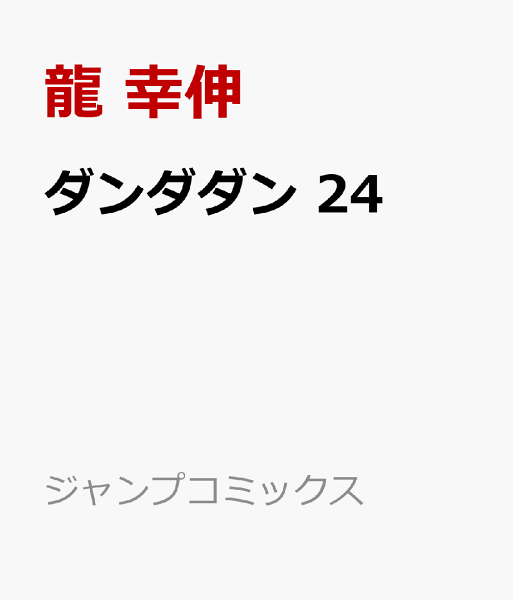
Action / Supernatural
Dandadan
Yu's review of Dandadan — Momo believes in ghosts, Ken believes in aliens, and they make a deal to test each other's beliefs; both get immediately proven wrong and right simultaneously, and a bizarre supernatural romance begins.
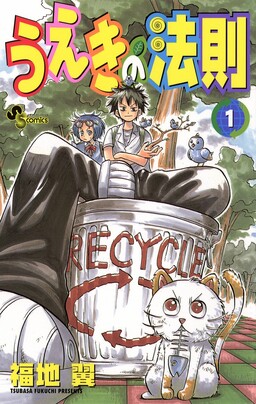
Action / Comedy
The Law of Ueki
Yu's review of The Law of Ueki — Kousuke Ueki is given the power to turn trash into trees by his homeroom teacher, a god candidate competing in a divine tournament; if his teacher wins, he becomes the next ruler of the Heavenly World; if Ueki fights on his behalf and wins, he gets a blank talent.
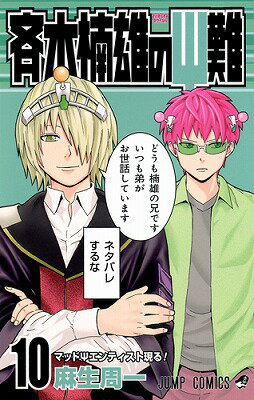
Comedy / Supernatural
The Disastrous Life of Saiki K.
A review of The Disastrous Life of Saiki K., the comedy manga about a supremely powerful psychic who wants nothing more than to be left alone.
Action / Historical
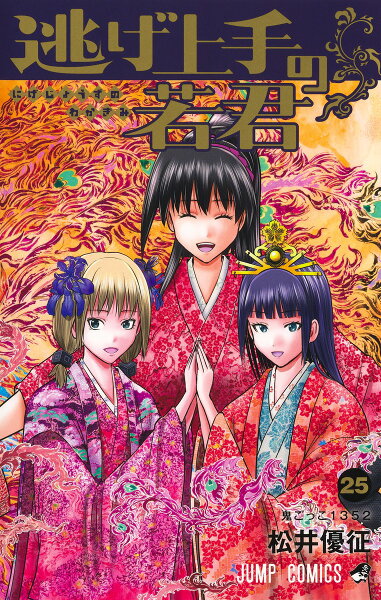
The Elusive Samurai
A review of The Elusive Samurai by Yusei Matsui, following a young noble who survives the fall of the Kamakura shogunate through unmatched evasion skills.

Action / Comedy
City Hunter
A sweeper for hire in Shinjuku cleans up the city's worst criminals while hiding a heart softer than anyone suspects — City Hunter is the definitive action-romance manga.
Action / Adventure
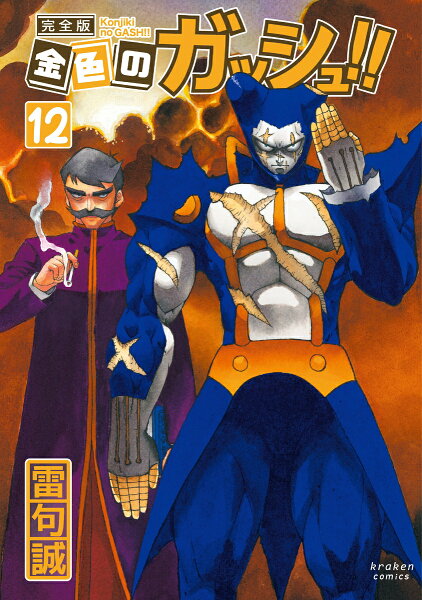
Zatch Bell!
A review of Zatch Bell! — 33 volumes in Weekly Shonen Sunday. Genius middle schooler Kiyo Takamine partners with demon child Zatch Bell in a battle royale of 100 demon/human pairs competing to become King of the Mamodo World; Zatch wants to be a kind king. The manga that made an entire generation cry about a book burning. VIZ Media's English edition is complete.
Written by
Yu
Manga Enthusiast from Japan
I grew up in Japan and manga literally saved me during a tough time in elementary school. My English isn't perfect, but my love for manga is real — and I want to share it with you.
Disclosure: This post contains affiliate links. As an Amazon Associate, I earn from qualifying purchases at no extra cost to you.