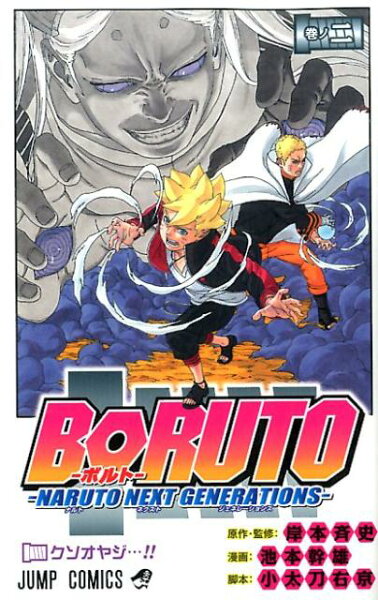
Boruto Review: The Son of the Seventh Hokage Grows Up in His Father's Shadow and Finds His Own Reason to Fight
by Masashi Kishimoto / Mikio Ikemoto
Read the first volume. If it doesn't hook you, put it down. It'll hook you.
Buy Boruto: Naruto Next Generations on Amazon →*Affiliate link — I earn a small commission at no extra cost to you.
Quick Take
- The Naruto sequel follows the next generation of ninja — Boruto and his peers — in a world where peace has created new problems and new threats
- Initially controversial among Naruto fans; later volumes show Kishimoto returning to direct the story himself and raising the stakes significantly
- Ongoing; required reading for Naruto fans who want the continuing story
Who Is This Manga For?
- Naruto fans who want to know what happened next
- Readers who want to see how the world of Naruto changed after the Fourth Ninja War
- Anyone interested in legacy sequel manga — what the next generation does with what was built
- Readers who want ongoing shonen action with established world context
Content Warnings & Age Rating
Age Rating: T (Teen) Content Warnings: Ninja action violence consistent with Naruto; later volumes have darker story turns
Standard T-rated ninja action.
Yu's Rating
Note: Rating reflects the later Kishimoto-directed volumes, which are significantly better than the early chapters.
| Category | Score |
|---|---|
| Story Depth | ★★★☆☆ |
| Art Style | ★★★★☆ |
| Character Development | ★★★☆☆ |
| Accessibility for Non-Japanese Readers | ★★★☆☆ |
| Reread Value | ★★★☆☆ |
Story Overview
The shinobi world is at peace. Naruto is the Seventh Hokage. Sasuke is a traveling peackeeper. Their children are genin.
Boruto Uzumaki resents his father's status — Naruto is everywhere as a symbol and nowhere as a parent, too busy being the Hokage to be present. Boruto's generation grows up in a world that has peace and technology that previous generations did not, but faces threats from outside the established world: the Otsutsuki clan, ancient beings who consume planets.
The manga begins slowly and improves significantly when Kishimoto reassumed direct authorship around volume 14.
Characters
Boruto Uzumaki — His specific resentment of his father's legacy — not wanting to be the Hokage's son but wanting to be recognized for himself — is a more psychologically interesting starting point than Naruto's starting point, though the execution in early volumes does not realize it.
Kawaki — The character introduced as the series' most significant new protagonist; his relationship with Naruto (who took him in) and with Boruto is the series' best character dynamic.
Sarada Uchiha — Sasuke and Sakura's daughter; her specific ambition (to become Hokage herself) and her skill development are the series' most promising secondary arc.
Art Style
Ikemoto's art is clean and technically competent — the action sequences are clear and the character designs for the new generation are distinguishable. The style is different enough from Kishimoto's original to signal the generation change, which is appropriate.
Cultural Context
Boruto is specifically about what happens to ninja villages after the great conflict that defined the previous generation — peace-time ninja who were trained for a war that ended. The technological progress in the Hidden Leaf (computers, trains, convenience stores) is the visual marker of the generational change.
What I Love About It
Kawaki. His specific backstory — what was done to him before Naruto found him, what he is, what he wants — is the series' most complete character construction. His relationship with Naruto, who simply decides to be his father figure, is the most affecting Naruto-adjacent relationship in the sequel.
What English-Speaking Fans Say
Western readers who followed Naruto are divided on Boruto — the early volumes are considered significantly weaker than the original, while the later Kishimoto-directed volumes are considered a genuine improvement. The consensus is: if you love Naruto, read Boruto anyway; start with realistic expectations about the early sections.
Memorable Scene ⚠️ Spoiler Warning
The sequence in the later volumes where the Naruto-era status quo is genuinely disrupted — something is taken that cannot easily be restored — is when many Western readers describe finally feeling the sequel has earned its place in the Naruto world.
Similar Manga
- Naruto — Required reading before this
- Dragon Ball Super — Legacy sequel to a beloved shonen
- My Hero Academia — Similar generational-transfer structure in a contemporary context
- Boruto: Two Blue Vortex — The new chapter serialization that followed
Reading Order / Where to Start
Read Naruto first. Boruto directly follows the events of Naruto and the Naruto films.
Official English Translation Status
VIZ Media is publishing the ongoing series. Multiple volumes available.
Pros & Cons
Pros
- For Naruto fans, essential continuation
- Kawaki is the series' most interesting new character
- Later volumes under Kishimoto's direction are genuinely good
- The world-building of post-war Konoha is handled with care
Cons
- Early volumes are significantly weaker
- Requires Naruto completion to access
- The new threat (Otsutsuki) is more abstract than the Fourth Ninja War
Format Comparison
| Format | Notes |
|---|---|
| Individual Volumes | VIZ Media; standard |
| Digital | Available |
Where to Buy
Read the first volume. If it doesn't hook you, put it down. It'll hook you.
This post contains affiliate links. If you purchase through these links, I may earn a small commission at no extra cost to you. As an Amazon Associate, I earn from qualifying purchases.
*Affiliate link — I earn a small commission at no extra cost to you.
More Manga You Might Like
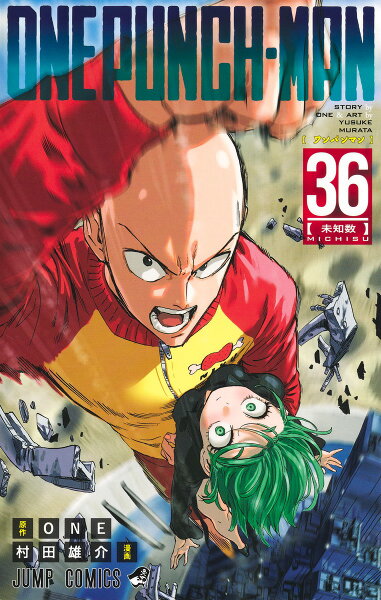
Action / Comedy
One Punch Man
Yu's review of One Punch Man — a manga about the most powerful hero in the world who can't feel excited about anything anymore because he always wins in one punch. Visually the most spectacular action manga alive. Philosophically surprisingly deep.
Action / Adventure
One Piece
Yu's review of One Piece — the manga that has been running for over 25 years and still feels alive. About freedom, friendship, and one ridiculous boy who refuses to be defined by anyone else's rules.
Action / Adventure
Naruto
A review of Naruto — 72 volumes in Weekly Shonen Jump. Uzumaki Naruto is a boy with the Nine-Tailed Fox sealed inside him, rejected by his village, dreaming of becoming Hokage not for power but to be seen. The most emotionally resonant outcast-to-legend arc in manga. VIZ Media's English edition is complete.
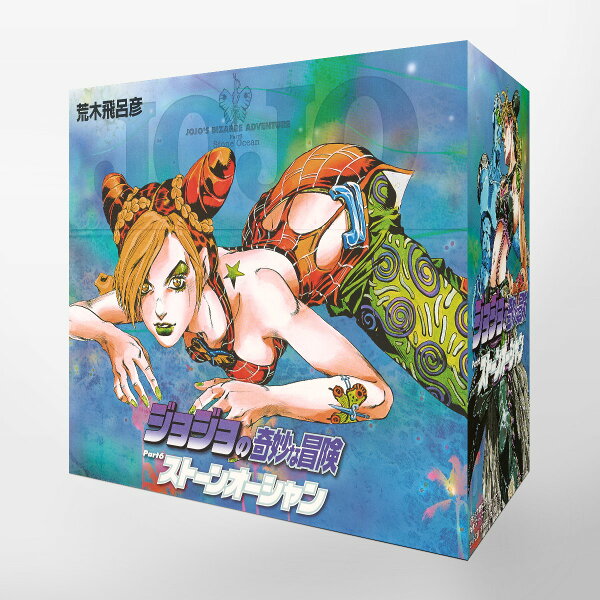
Action / Fantasy
JoJo's Bizarre Adventure
Yu's review of JoJo's Bizarre Adventure — a generational saga following the Joestar bloodline across centuries and continents, each story featuring a new JoJo facing supernatural evil with increasingly creative and bizarre combat abilities.
Action / Adventure
Hunter x Hunter
Yu's review of Hunter x Hunter — 37 volumes of the most intelligent action manga ever written, from the creator of Yu Yu Hakusho. A series that keeps reinventing itself and never stops being the best thing it possibly can be, when it's being published.
Action / Supernatural
Dandadan
Yu's review of Dandadan — Momo believes in ghosts, Ken believes in aliens, and they make a deal to test each other's beliefs; both get immediately proven wrong and right simultaneously, and a bizarre supernatural romance begins.
Written by
Yu
Manga Enthusiast from Japan
I grew up in Japan and manga literally saved me during a tough time in elementary school. My English isn't perfect, but my love for manga is real — and I want to share it with you.
Disclosure: This post contains affiliate links. As an Amazon Associate, I earn from qualifying purchases at no extra cost to you.