
Big Order Review: The Future Diary Author's Wish That Burned the World Down
by Sakae Esuno
Read the first volume. If it doesn't hook you, put it down. It'll hook you.
Buy Big Order on Amazon →*Affiliate link — I earn a small commission at no extra cost to you.
I came to Big Order the same way a lot of people did — through Mirai Nikki (Future Diary). I loved that manga as a teenager, the way Esuno could make a phone full of diary entries feel like a loaded gun. So when I found out he had written another series about wishes and power and the end of the world, I bought it immediately. I think I expected another Future Diary. What I got was messier, sillier, and in some ways braver. I have made my peace with that, and honestly I am glad I read it.
Quick Take
- Sakae Esuno's follow-up to Future Diary — wishes granted as superpowers called "Orders," set in a world a boy supposedly destroyed
- The plot keeps yanking the rug out: nothing about the hero's power, his crime, or his wish is what it first looks like
- 10 Japanese volumes, complete in English through Yen Press (5 large editions); rated T (Teen), though the fanservice and destruction push that line
Story Overview
Ten years ago, a woman called Daisy appeared and granted people a single wish each, manifesting as a superpower called an "Order." A young boy named Eiji Hoshimiya was the first to wish — and his wish seemed to coincide with the "Great Destruction," a wave of disasters that killed millions and reshaped the world. Eiji has spent the decade since believing he is the one who broke everything, so he refuses to use his power. He lives in Kyushu, quietly, protecting his terminally ill little stepsister Sena.
The turning point comes when a transfer student named Rin Kurenai tries to kill him. Her parents died in the Great Destruction, and she blames Eiji. The confrontation drags Eiji back into the world of Orders and forces him to actually use his power — and to start questioning the story he has told himself about who he is. He gets pulled into the orbit of the "Group of Ten," powerful Order users running things behind the scenes, who manipulate him into becoming a figurehead for a domination scheme by dangling the one thing he wants: a cure for Sena.
The series escalates from there toward an apocalyptic finale. Sena ends up summoning "God," which begins breaking through into the human world, and Eiji finally swears to kill his own sister to stop the catastrophe. The big reveal recontextualizes everything: Eiji's real Order was never about ruling or destroying. His true wish was "to take Sena's fault" — Sena caused the Great Destruction, and Eiji's power rewrote his own memories so he would carry the blame. The epilogue, years later, gives him something almost gentle: the Orders are gone, Sena lives, and the survivors are just kids going to school together.
Characters
Eiji Hoshimiya — A protagonist built entirely on a wrong premise. He thinks he ended the world, so his whole personality is guilt and refusal. The story slowly dismantles that: his power isn't "Bind Dominator" the way he believes, it's "Illegal Digger," which steals abilities and memories from others. His arc is the slow horror and relief of learning his own brain lied to him to protect the person he loves.
Rin Kurenai — Introduced as an assassin with airtight reasons to hate Eiji. Her Order is healing — she can mend herself, others, and things. She starts as the person sent to end Eiji and ends as the person standing beside him through the finale, including a romance that develops across the series. Her shift from vengeance to loyalty is the manga's most coherent character thread.
Sena Hoshimiya — Eiji's terminally ill stepsister and the emotional engine of the whole plot. Everything Eiji does, every deal he accepts, is to keep her alive. The reveal that she — not Eiji — actually caused the Great Destruction turns her from a thing-to-protect into the center of the tragedy.
Daisy — The wish-granter who started everything. She reappears to nudge Eiji into remembering what his wish really was, functioning less as a villain than as the mechanism that keeps forcing the truth back to the surface.
What I Love About It
There is a single idea at the core of Big Order that I keep coming back to, and it's the reveal about Eiji's power. For most of the series you, like Eiji, believe his Order is dominion — that he wished to rule the world and that ambition is somehow tied to the catastrophe. The manga lets you sit in that interpretation for a long time. And then it pulls it apart: his power is Illegal Digger, theft of others' abilities and memories, and his actual wish was "to take Sena's fault." His mind rewrote itself. He convinced himself he was the monster so his sister wouldn't have to be.
That hit me harder than I expected from a series I'd been treating as goofy popcorn. Because it reframes ten years of self-hatred as an act of love so total it edited his own memory. The guilt Eiji carries the whole manga isn't even his — it's a gift he gave himself without knowing it. I think Esuno does something genuinely clever here that Future Diary fans will recognize: he hides a sincere emotional core under a pile of escalating chaos, so that when the sincerity surfaces it lands by surprise. I didn't cry, but I closed the volume and just sat there for a minute. For a manga I almost didn't take seriously, that is a real thing to pull off.
Memorable Scene ⚠️ Spoiler Warning
The image I can't shake is the finale's central choice: Sena has summoned "God," it's tearing its way through a gate into the human world, and Eiji — who has spent the entire story sacrificing everything to keep Sena alive — stands there and swears to kill her to stop it. After everything, after rewriting his own memory to take her blame, the story corners him into the one act his whole existence was built to avoid. It works because the manga earned the contradiction. Watching him hold both things at once — the will to protect her and the will to end her — is the most genuinely heavy beat in a series that often runs on spectacle. The epilogue softening it (Sena survives, the Orders vanish) almost feels like Esuno couldn't bear to leave it there either.
Pros & Cons
Pros
- Complete story with a real, resolved ending — no dangling threads
- The central reveal about Eiji's power and wish is genuinely well-built
- Rin's arc from assassin to partner actually holds together
- Esuno's kinetic art makes the Order battles easy to follow even when powers overlap
Cons
- Tonally all over the place — heavy tragedy sitting next to broad fanservice and slapstick
- The escalation gets so fast it can feel like the plot is sprinting past its own ideas
- Eiji's passivity for long stretches makes him hard to root for early on
- The fanservice and rushed feel mean this won't work for everyone, especially readers hoping for Future Diary's tighter psychological focus
Is Big Order Worth Reading?
If you liked Future Diary and you go in expecting something looser and weirder rather than a sequel, yes. It's a short, complete series with a smart emotional twist buried under a lot of noise. If you need tonal consistency or a hero who drives the plot from page one, it'll frustrate you.
Where to Buy
Read the first volume. If it doesn't hook you, put it down. It'll hook you.
This post contains affiliate links. If you purchase through these links, I may earn a small commission at no extra cost to you. As an Amazon Associate, I earn from qualifying purchases.
*Affiliate link — I earn a small commission at no extra cost to you.
More Manga You Might Like
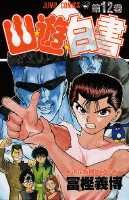
Action / Supernatural
Yu Yu Hakusho
A review of Yu Yu Hakusho — 19 volumes in Weekly Shonen Jump. Yusuke Urameshi dies heroically saving a child, is recruited as a Spirit Detective to investigate supernatural cases, and grows from a delinquent who doesn't care about anything into someone with people worth protecting. The series Togashi made before Hunter x Hunter. VIZ Media's English edition is complete.
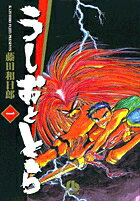
Action / Supernatural
Ushio and Tora
Yu's review of Ushio and Tora — Ushio finds an ancient beast-spirit called Tora pinned under the temple floor; he releases Tora to fight other spirits threatening his town; Tora intends to eat Ushio eventually; they travel Japan fighting supernatural threats.
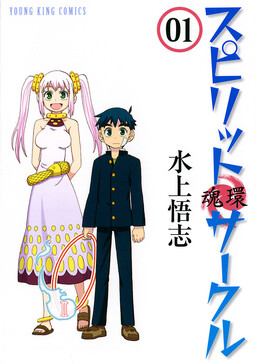
Action / Supernatural
Spirit Circle
Yu's review of Spirit Circle — Fuuta Okeya has the ability to see spirits; when a new classmate, Kouko Ishigami, arrives and announces she is his enemy from a past life, their conflict forces both to revisit six shared past lives and understand what connected them across time.
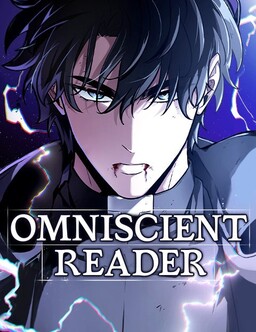
Fantasy / Action
Omniscient Reader's Viewpoint
A review of Omniscient Reader's Viewpoint, the manhwa adaptation of singNsong's 551-chapter web novel, drawn by Sleepy-C — about Kim Dokja, the only person on Earth who read the web novel that is now coming true around him.
Action / Supernatural
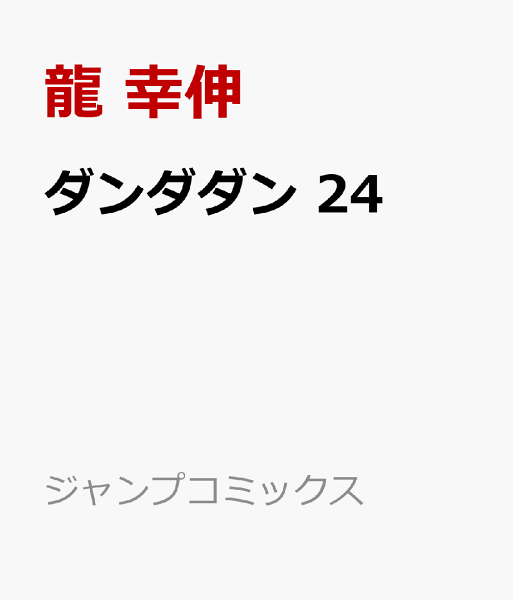
Dandadan
Yu's review of Dandadan — Momo believes in ghosts, Ken believes in aliens, and they make a deal to test each other's beliefs; both get immediately proven wrong and right simultaneously, and a bizarre supernatural romance begins.
Action / Fantasy
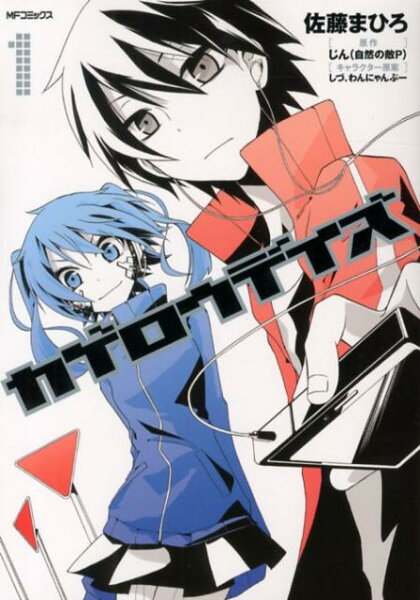
Kagerou Daze
A review of Kagerou Daze, the manga adaptation of Jin's hit Vocaloid music project about teenagers with supernatural eye abilities trapped in a time loop.
Written by
Yu
Manga Enthusiast from Japan
I grew up in Japan and manga literally saved me during a tough time in elementary school. My English isn't perfect, but my love for manga is real — and I want to share it with you.
Disclosure: This post contains affiliate links. As an Amazon Associate, I earn from qualifying purchases at no extra cost to you.