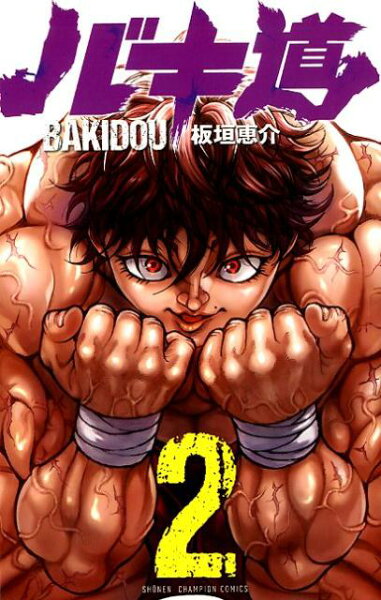
Baki-Dou Review: The One Where a Cloned Miyamoto Musashi Reminds Everyone What a Real Sword Does
by Keisuke Itagaki
Read the first volume. If it doesn't hook you, put it down. It'll hook you.
Buy Baki-Dou on Amazon →*Affiliate link — I earn a small commission at no extra cost to you.
I came to the Baki franchise late, and honestly a little embarrassed. For years I dismissed it as the meme manga — the one people share panels of when a guy flexes so hard his shirt explodes. Then a friend told me, "Read up to Baki-Dou, then tell me it's just memes." So I did. And somewhere around the moment a 17th-century swordsman pulls a real katana on a modern karate master in an underground arena, I stopped laughing.
What got me about Baki-Dou — the fourth series, the one written 刃牙道 in kanji, not the later sumo arc — is that under all the absurd muscles there's a genuinely cold idea: every fighter in this series has spent their whole life fighting people who agree not to kill each other. Then Itagaki drops a man into the modern world who never agreed to that. Musashi doesn't punch to win. He cuts to end a life. And the series is mostly about watching the strongest people alive realize, one by one, that they've never actually been in a fight.
Quick Take
- The fourth Baki series: a cloned Miyamoto Musashi is resurrected and turned loose on modern martial artists who have never faced a man trying to actually kill them.
- The Retsu Kaioh fight alone justifies the whole series — it's where the "fun crossover" premise turns genuinely brutal.
- Age rating: M (Mature) — graphic violence and an on-page death of a major character.
Story Overview
After the father-son war that closed the previous series, Baki Hanma has a problem: nothing excites him anymore. He fights in the underground arena, he trains, and he can't stop yawning. Itagaki uses that boredom as the engine for the whole premise — the world has run out of opponents worthy of the Hanma bloodline.
So the world makes a new one. A state-backed cloning project, with the blessing of figures like Tokugawa and run by the geneticist Professor Andy, extracts living tissue from the actual remains of Miyamoto Musashi. The clone body is grown, and a spiritual medium named Sabuko transfers Musashi's soul into it. The greatest swordsman in Japanese history wakes up in the present day — same instincts, same code, no concept that the modern fighting world treats killing as off-limits.
From there the story is a sequence of duels, and the structure is deliberately escalating. Musashi first crosses blades with a contemporary sword master, Sabu. He has an unofficial bout with Baki that ends in a draw. He knocks out Doppo Orochi, the karate grandmaster. Then comes the turning point: Retsu Kaioh, a master of Chinese kung fu, demands a professional match in the underground arena — and insists Musashi use a real sword. That fight is where Baki-Dou stops being a "who would win" thought experiment and becomes something with real stakes. The back half builds toward Yujiro and toward the promise of Pickle, the resurrected caveman, returning to face the samurai.
Characters
Miyamoto Musashi — The reason the series exists. Itagaki's version isn't a noble historical icon; he's a predator from an era when losing a duel meant dying. He's polite, curious about the modern world, and completely lethal, because to him a fight has always been a thing you end with a blade. The horror of him is that he's not evil — he's just operating under the only rules he's ever known.
Baki Hanma — The protagonist, but in Baki-Dou he spends a lot of the story sidelined by his own boredom. His arc here is less about winning and more about whether anything — even a legend pulled from the grave — can make him feel alive in a fight again. His bout with Musashi ending in a draw is the point: the "strongest teenager alive" can't simply overwhelm a man playing a different game.
Retsu Kaioh — The emotional core of the series, and the one whose arc I can't get out of my head. A proud Chinese kung fu master, Retsu insists on facing Musashi on the samurai's own terms — a real sword, a real fight. His teacher Kaku Kaioh tries to prepare him, but Retsu walks into that arena knowing exactly what a live blade means. His arc is the whole thesis of Baki-Dou compressed into one man: modern martial arts versus a man who fights to kill.
Motobe Izou — The strategist of the franchise, a master of koppojutsu and improvised weapons. While other fighters meet Musashi head-on, Motobe treats him as a problem to be solved — a beast that has to be stopped before more people die. He's the counter-argument to brute force, and his role in the back half is to prove that intelligence, not just strength, is what eventually answers a sword.
What I Love About It
The Retsu Kaioh fight. I'll be plain about it: it's one of the few moments in any "tournament" manga where I felt actual dread instead of hype. Every other fight in the Baki universe — even the brutal ones — carries an unspoken promise that the loser walks away. Retsu's fight removes that promise on purpose. He's the one who asks for the real sword. He's the one who insists the match be professional. He chooses to meet a man from a killing age on that man's terms, and Itagaki makes you sit with what that decision means before the blade ever moves.
What I love is how the framing changes the reader's body language without changing the art style. The panels are the same hyper-muscled Itagaki figures, the same impossible anatomy — but suddenly the question isn't "what cool technique wins," it's "is this character going to survive the page." Retsu is cut down. He dies. And for a franchise built on the idea that the human body is an unbreakable weapon, watching that body simply fail against a piece of folded steel is the most honest thing the series ever says. It reframes every fight that came before it. The muscles were never the point — the rules were. Musashi just stopped playing by them.
Memorable Scene ⚠️ Spoiler Warning
Retsu Kaioh's death in the underground arena.
After all his preparation, after demanding the dignity of a real professional bout, Retsu faces Musashi with a live katana on the table and the understanding that this is not a sparring match. The build to it is slow and deliberate — Itagaki lets you believe a modern master's lifetime of discipline might be enough. It is not. Retsu is cut down and dies.
What makes it stay with me isn't gore — it's the silence around it. The Baki series had spent hundreds of chapters teaching me that these men are functionally invincible, that they get up from anything. Retsu doesn't get up. The franchise's central fantasy — the indestructible martial artist — gets quietly, permanently broken on the page, by a man who's been dead for four centuries. I went back and reread the chapters before it, looking for the moment the tone shifted, and realized it shifted the instant Retsu chose the real sword. He knew. That's the part that haunts me.
Pros & Cons
Pros:
- The cloning premise is more thoughtful than it has any right to be — it's really a story about rules, not muscles.
- Retsu's arc is a genuine high point of the entire Baki franchise.
- Musashi is a fantastic antagonist: courteous, curious, and quietly terrifying.
Cons:
- Almost completely inaccessible if you haven't read the earlier Baki series — it assumes deep familiarity with the cast.
- The "science" of the resurrection (psychic soul transfer, instant cloning) asks for total suspension of disbelief.
- The pacing leans heavily on long talk-heavy buildups between fights — that's either tension or tedium depending on your patience.
Is Baki-Dou Worth Reading?
If you're already invested in Baki, Baki-Dou is essential — it contains one of the franchise's best and most consequential fights, and it sharpens the whole series' philosophy into a single brutal question. If you've never read Baki, this is the wrong starting point; you'd be parachuting into a cast and a power scale that took three prior series to build.
Official English Translation Status
There is no licensed official English-language release of Baki-Dou (刃牙道). While earlier parts of the broader Baki franchise have seen English digital publication, this fourth series has not been officially licensed in English as a manga. The Japanese print and digital volumes from Akita Shoten remain the only legitimate way to read it. (An anime adaptation has brought the Musashi arc to streaming audiences, which is a separate thing from the manga itself.)
Where to Buy
No English release yet. That just means you find it before everyone else does.
The Japanese volumes are the only legitimate way to read this one:
This post contains affiliate links. If you purchase through these links, I may earn a small commission at no extra cost to you. As an Amazon Associate, I earn from qualifying purchases.
*Affiliate link — I earn a small commission at no extra cost to you.
More Manga You Might Like
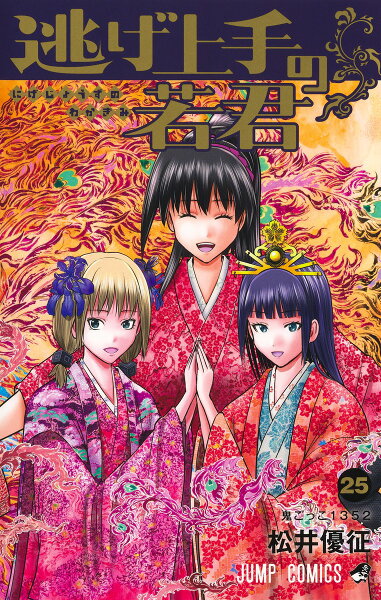
Action / Historical
The Elusive Samurai
A review of The Elusive Samurai by Yusei Matsui, following a young noble who survives the fall of the Kamakura shogunate through unmatched evasion skills.
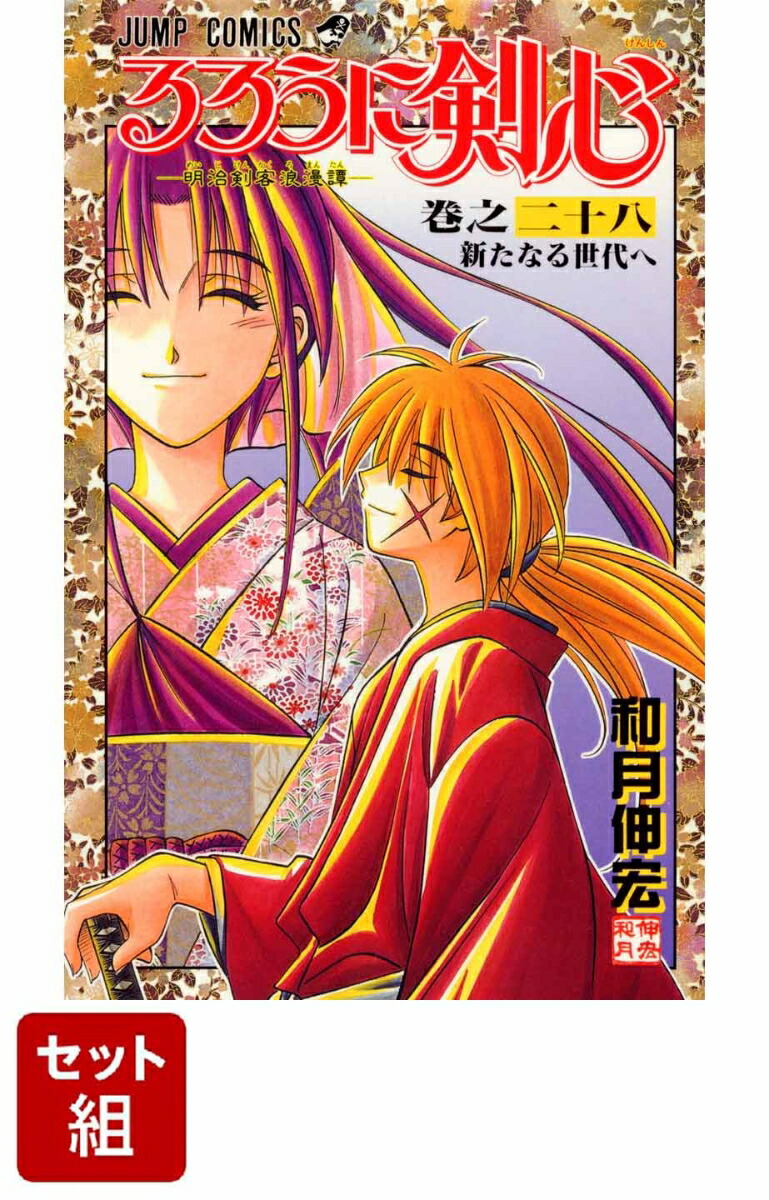
Action / Historical
Rurouni Kenshin
A review of Rurouni Kenshin — 28 volumes in Weekly Shonen Jump. Himura Kenshin was Japan's most feared assassin of the Bakumatsu; he now wanders with a reverse-blade sword, trying to protect without killing. The Kyoto Arc is one of the greatest extended arcs in manga, and Shishio is the genre's finest villain. VIZ Media's English edition is complete.
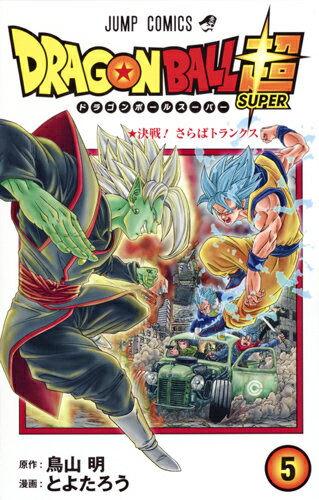
Action / Adventure
Dragon Ball
A review of Dragon Ball — 42 volumes in Weekly Shonen Jump. Son Goku's journey from a boy in the wilderness to the strongest being in the universe — the manga that defined what shonen action could be and that every battle manga since has owed something to. VIZ Media's English edition is complete.
Action / Martial Arts
Air Master
A review of Air Master, Yokusaru Shibata's seinen brawler about Maki Aikawa, a 184cm ex-gymnast who quit the sport for being too tall and found the only thing that makes her feel alive: street fighting, mid-air.
Action / Historical
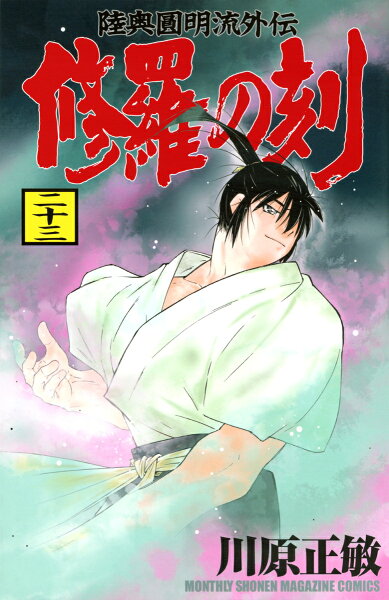
Shura no Toki
Shura no Toki is a companion series to Shura no Mon, following members of the Mutsu clan across different historical eras — encountering legendary warriors and historical figures in battles that test the limits of their invincible fighting style.
Action / Martial Arts
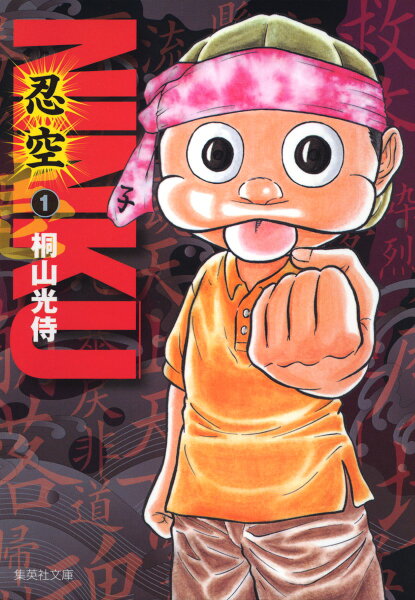
Ninku
Goofy-looking ninja warriors fight a corrupt empire in a manga that mixed comedy and martial arts before Naruto did.
Written by
Yu
Manga Enthusiast from Japan
I grew up in Japan and manga literally saved me during a tough time in elementary school. My English isn't perfect, but my love for manga is real — and I want to share it with you.
Disclosure: This post contains affiliate links. As an Amazon Associate, I earn from qualifying purchases at no extra cost to you.